Ruto Touts Healthcare Gains In Wajir, Garissa And Mandera Under SHA
He linked healthcare expansion to wider reforms in education, infrastructure and economic empowerment, saying inclusion must extend beyond recognition and translate into tangible improvements in citizens’ daily lives and opportunities.
By Staff Writer
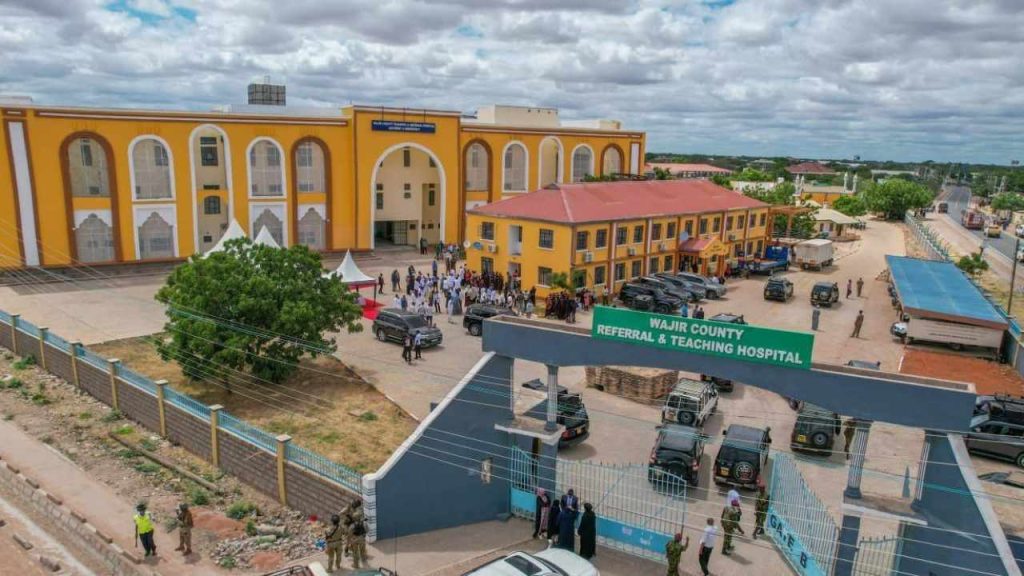
Healthcare reforms are expanding access to medical services in Northern Kenya, with the Social Health Authority paying Sh8.1 billion in claims across Wajir, Garissa and Mandera counties, President William Ruto has said. The payments, he noted, reflect growing healthcare inclusion in historically underserved regions.
Speaking during the 63rd Madaraka Day celebrations in Wajir, Ruto said about 800,000 residents from the three counties have registered with the Social Health Authority, strengthening access to treatment and reducing longstanding barriers to healthcare.
The President presented the figures as part of a broader account of government investments in Northern Kenya, arguing that national development efforts are increasingly targeting regions previously affected by marginalisation and inadequate public services.
He linked healthcare expansion to wider reforms in education, infrastructure and economic empowerment, saying inclusion must extend beyond recognition and translate into tangible improvements in citizens’ daily lives and opportunities.
“Today, of the 31.5 million Kenyans registered with the Social Health Authority, about 800,000 are residents of Wajir, Garissa and Mandera counties,” Ruto said during the national celebrations in Wajir.
The Social Health Authority replaced the National Health Insurance Fund as part of the government’s Universal Health Coverage agenda, which seeks to expand affordable medical services and reduce out-of-pocket healthcare spending nationwide.
Government data shows millions of Kenyans have enrolled under the new system since its rollout, although implementation has faced criticism from some healthcare providers over payment delays and operational challenges.
Ruto maintained that reforms were delivering measurable results in Northern Kenya, where access to healthcare has historically lagged behind national averages because of sparse infrastructure, workforce shortages and vast geographical distances.
Beyond healthcare, he highlighted investments in schools, teacher recruitment, housing projects and transport networks, describing them as part of a coordinated effort to close regional development gaps.
“To date, SHA has paid Ksh 8.1 billion in claims for services provided in these three counties, demonstrating the transformative impact of this reform on access to quality healthcare,” he said.
The President said the government had also expanded school feeding programmes, recruited local teachers and increased support for youth employment initiatives targeting communities across Wajir, Garissa and Mandera counties.
According to Ruto, healthcare improvements form part of the Bottom-Up Economic Transformation Agenda, which the administration says is designed to ensure historically marginalized communities benefit from national development programmes.
Northern Kenya has long faced development disparities dating back decades, including limited investment in healthcare facilities, roads, water systems and education infrastructure, challenges successive governments have pledged to address.
Health sector stakeholders continue monitoring implementation of the Social Health Authority reforms, with policymakers expected to review funding, service delivery and operational concerns as nationwide enrolment expands further.
The president said additional investments in healthcare facilities, personnel and insurance coverage will continue, with officials expected to assess progress regularly as broader development projects advance across Northern Kenya.
About The Author