Nakuru Lawyer Faults Supreme Court Over Gachagua’s Election Eligibility
A central question before the Supreme Court is whether filing an appeal alone suspends the electoral consequences of impeachment, or whether an impeached official must first obtain a stay order.
By Elijah Cherutich
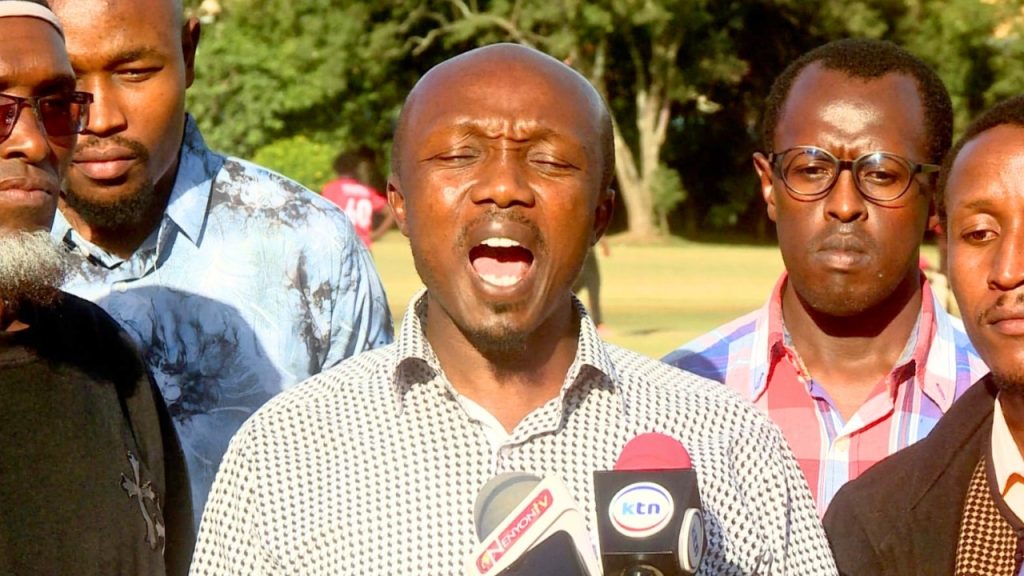
A Nakuru-based lawyer has criticised the Chief Justice and the Supreme Court for seeking the Attorney-General’s opinion on whether impeached State officers can contest elections while challenging their removal in court.
Advocate Bernhard Kipkoech Ngetich said the court should give clear direction on the constitutional dispute, which could affect the eligibility of former Deputy President Rigathi Gachagua and other impeached officials seeking elective office.
The Supreme Court asked Attorney-General Dorcas Oduor to state her position on whether an impeached official may contest an election while an appeal is pending, or whether they must first obtain a court order suspending the removal decision.
Ngetich argued that the leadership and integrity provisions in Chapter Six of the Constitution set a high bar for holding public office. He said the Judiciary should uphold those standards to protect leadership and governance.
He maintained that officials removed through impeachment should not hold another public office unless a court has stayed the effect of their removal.
“The Supreme Court has a huge task and responsibility. It should not appear indecisive,” he said. “Although the Constitution provides for appeals, those challenging their removal should seek stay orders to suspend implementation of the impeachment decision.”
Ngetich cited the Independent Electoral and Boundaries Commission’s handling of candidates involved in impeachment-related disputes before the 2022 general election. He said the commission required affected candidates to obtain court orders before they could be cleared to contest.
The IEBC held that removal for contravening Chapter Six disqualified a person from holding elective or appointive public office. It initially barred former Nairobi governor Mike Sonko from contesting the Mombasa governorship and Paul Karungo Thang’wa, a former Kiambu County executive, from seeking the Kiambu Senate seat.
“A person who is removed from office on contravention of Chapter Six of the Constitution is disqualified from holding any other State or public office, whether elective or appointive,” then-IEBC chairman Wafula Chebukati said on June 4, 2022.
The Constitution, however, also sets out when that disqualification takes effect. Articles 99(3) and 193(3) say a person is not disqualified while avenues for appeal or review remain open.
The High Court later ordered the IEBC to clear Sonko because his challenge to the impeachment had not been conclusively determined. His eligibility dispute later reached the Supreme Court.
Ngetich said Oduor could still provide an independent legal opinion despite serving as the government’s principal legal adviser. He added that the Supreme Court would not be bound by her submissions.
He urged the Attorney-General to give what he described as a balanced interpretation of the constitutional provisions on impeachment, appeals and eligibility for public office.
The Constitution does not impose the same prohibition in every impeachment case. Article 75(3) bars a person dismissed for violating specified conduct requirements from holding another State office. Separate provisions govern eligibility for elective positions and delay disqualification until the available appeal or review process has been exhausted.
The dispute has drawn attention because of Gachagua’s possible candidacy in the 2027 general election. Parliament removed him from office in October 2024, and he later challenged the impeachment in court.
A three-judge High Court bench dismissed consolidated petitions challenging his removal on June 8, 2026.
Legal analysts say the dispute now turns on whether filing an appeal suspends the electoral consequences of impeachment, or whether the affected official must first obtain a stay order.
About The Author