Ruto Apologizes To Northern Kenya For Decades Of Marginalization
His address marked one of the strongest acknowledgements by a sitting Kenyan president of longstanding grievances in the former North Eastern Province, whose residents have repeatedly raised concerns about exclusion and unequal treatment.
By Suleiman Mbatiah
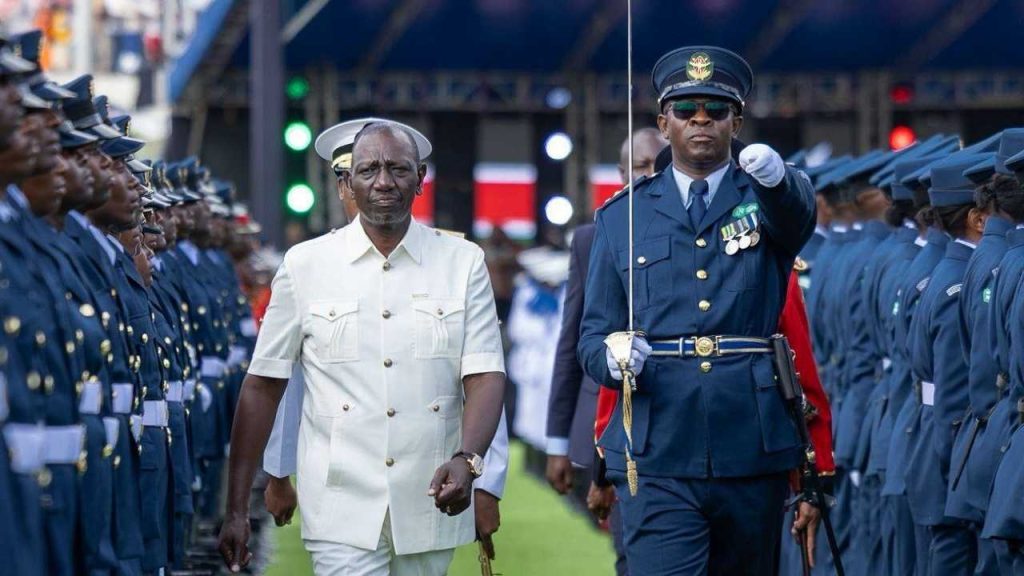
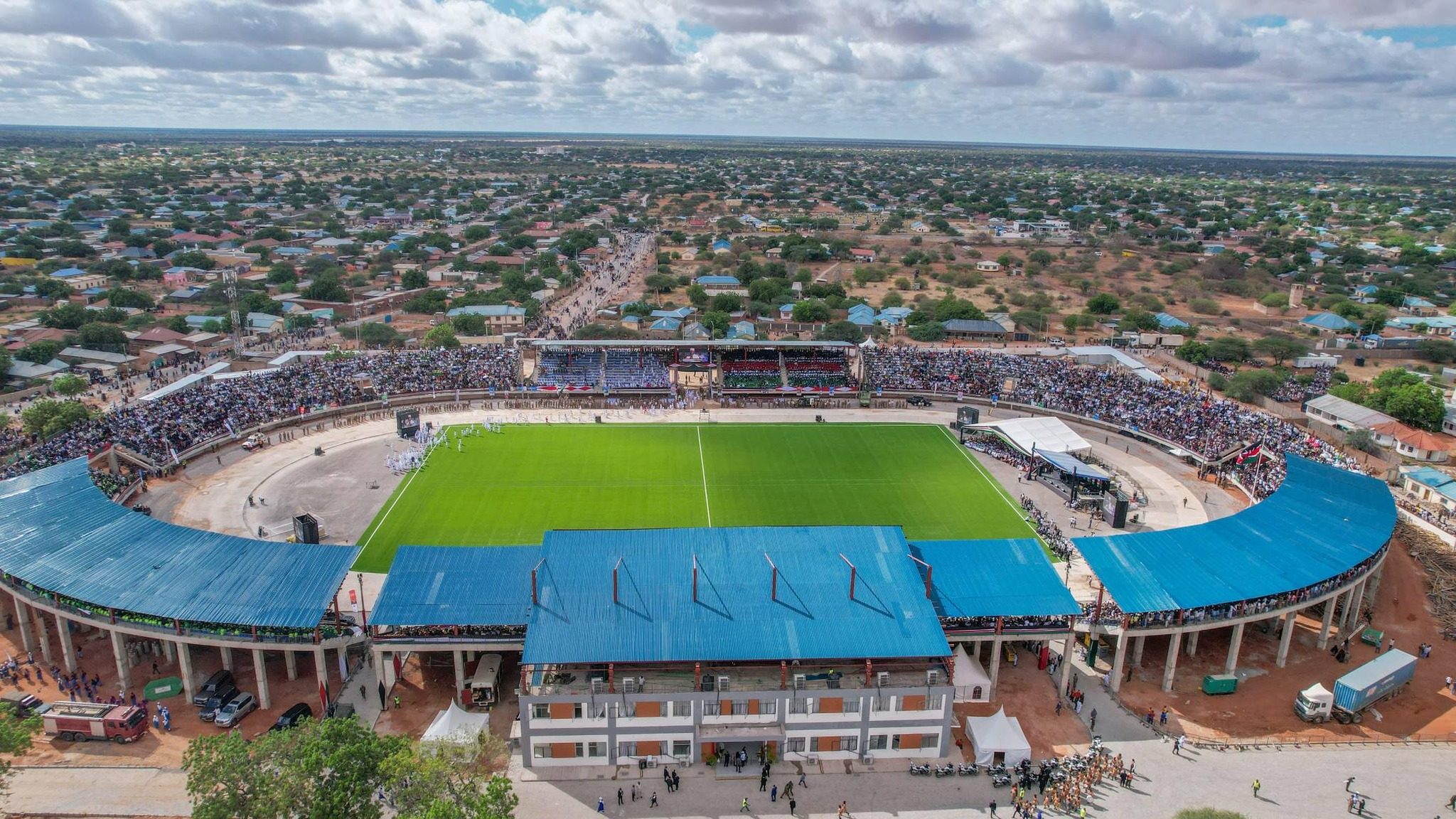
President William Ruto has issued a formal apology to the people of Northern Kenya for decades of state-led marginalisation, acknowledging years of discrimination, neglect and exclusion as Kenya marked its 63rd Madaraka Day celebrations in Wajir. The remarks placed historical injustices at the centre of national commemorations held in the region for the first time.
Speaking at Wajir Stadium on Sunday, Ruto said successive policies had left large parts of Northern Kenya without adequate infrastructure, healthcare, education and economic opportunities, despite the area’s contribution to national development.
The President linked the disparities to historical government decisions, particularly development approaches adopted after independence that concentrated public investment in areas classified as high-potential while sidelining arid and semi-arid regions.
His address marked one of the strongest acknowledgements by a sitting Kenyan president of longstanding grievances in the former North Eastern Province, whose residents have repeatedly raised concerns about exclusion and unequal treatment.
“On behalf of the people and the Republic of Kenya, I offer my sincere apology for the marginalisation that you have endured over the years. Poleni sana, ndugu zetu. It was never meant to be this way,” Ruto said.
The President said the government was pursuing corrective measures through infrastructure expansion, education investments, healthcare reforms and efforts aimed at integrating historically underserved communities into national development programmes.
He cited reforms to identity card registration procedures introduced in 2025, saying the changes ended discriminatory vetting practices that had for decades subjected many Northern Kenya residents to additional scrutiny.
Human rights organisations and official inquiries have previously documented complaints over citizenship verification procedures in border counties, while reports by state commissions have highlighted historical inequalities affecting Northern Kenya since independence.
Ruto also highlighted investments in teacher recruitment, school infrastructure, digital connectivity, housing projects and the KSh100 billion Northern Kenya Gateway Corridor linking Isiolo, Wajir and Mandera.
“For decades, some parts of our country were told they were too distant, too dry, too difficult, or too marginal to matter. Today, from Wajir, Kenya, rejects that thinking,” he said.
The President announced plans to strengthen pastoral economies through livestock restocking programmes, expanded vaccination campaigns, value-addition initiatives and a proposed KSh5 billion County Livestock Investment Company programme.
He further directed the Ministry of Education to begin consultations on integrating Duksi, Madrassa and pastoral learning programmes into the national education framework to improve access and recognition.
The Madaraka Day celebrations carried symbolic significance as they were held in Wajir for the first time since independence, reflecting the government’s stated commitment to equitable national inclusion.
Northern Kenya has historically faced development challenges linked to colonial-era policies, post-independence investment disparities, insecurity concerns and recurring droughts, factors that have contributed to lower infrastructure and social service coverage.
Ruto said future government priorities would include major water projects, irrigation expansion and continued investment in transport networks designed to connect remote regions with markets and economic opportunities.
The government is expected to advance consultations on education reforms, accelerate infrastructure projects already under implementation and oversee rollout of new livestock and water development programmes across arid counties.
About The Author