BlockCoop Unveils Tokenized SACCO System To Unlock Liquidity, Expand Access
The rollout positions Kenya at the forefront of financial technology adoption within cooperative societies, with BlockCoop presenting its model as scalable across Africa where SACCOs play a central role in expanding access to savings and credit.
By Staff Writer
Thousands of SACCO members could gain faster access to credit and tradable assets after BlockCoop SACCO introduced a blockchain-powered model designed to eliminate long-standing inefficiencies in cooperative finance.
The system replaces traditional structures with a digital framework that enhances transparency, improves liquidity of member shares, and broadens participation across local and international markets through tokenized ownership mechanisms.
Officials stated the platform directly tackles persistent sector challenges including illiquid share capital, rigid collateral requirements, and limited governance visibility, which have historically constrained growth and reduced trust among cooperative members and potential investors.
The rollout positions Kenya at the forefront of financial technology adoption within cooperative societies, with BlockCoop presenting its model as scalable across Africa where SACCOs play a central role in expanding access to savings and credit.
“As we advance cooperative finance, our focus is on leveraging innovation to address structural challenges while expanding access and trust. Blockchain technology enables us to build a more transparent, inclusive, and efficient SACCO model,” said Director Gideon.
The cooperative’s digital token, known as BLOCKS, converts member shares into tradable units, allowing holders to buy, sell, or transfer value more easily while unlocking capital that would otherwise remain tied up in conventional SACCO structures.
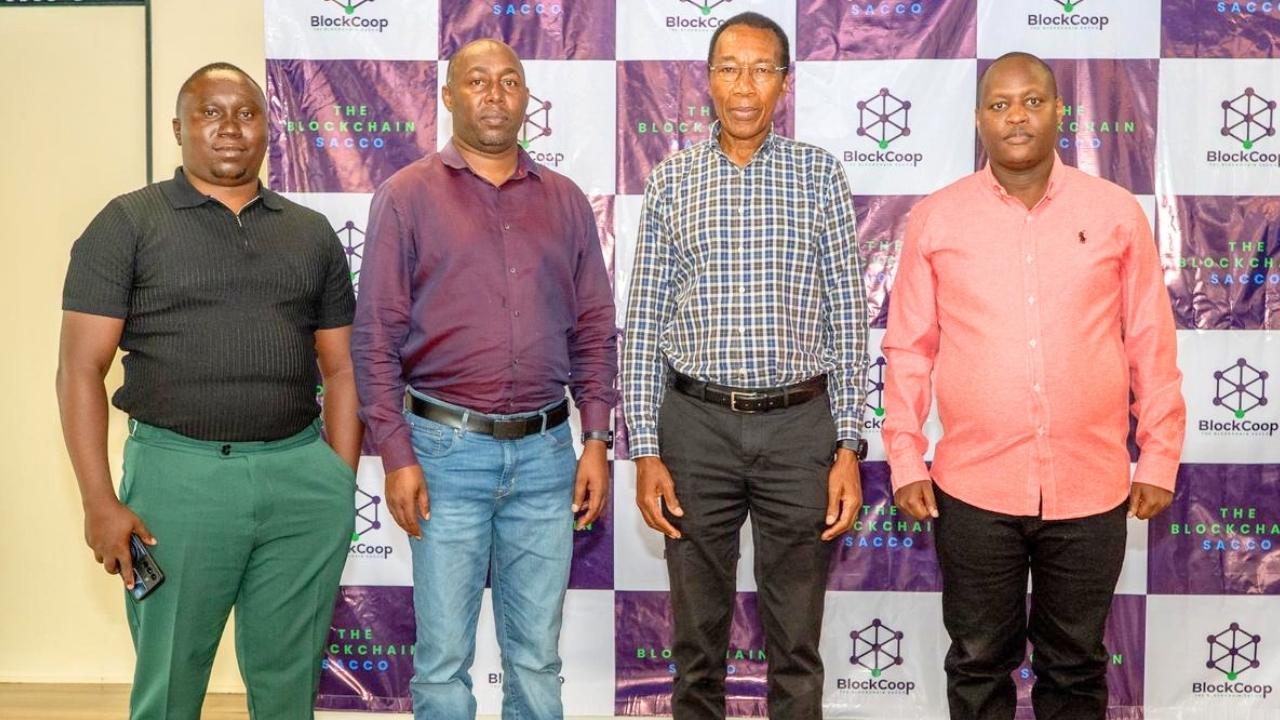
BlockCoop reported that since initiating share trading in October 2025, the platform has recorded steady growth, reaching an estimated market capitalization of KES 1.3 billion alongside a rapidly expanding membership and investor base.
This growth reflects rising confidence in decentralized financial models within cooperative systems, with analysts noting increasing demand for flexible financial instruments that combine traditional savings culture with modern digital infrastructure and broader market accessibility.
“This model demonstrates how cooperative finance can evolve beyond legacy limitations, offering members both liquidity and global reach while maintaining the core principles of shared ownership and community-driven growth,” said a sector analyst familiar with the development.
To deepen engagement, the SACCO has introduced the Lipa na BLOCKS loyalty programme, enabling users to earn and utilize tokens through everyday transactions while accessing discounts via mobile payments, till numbers, and paybill services.
The initiative is open to the public through an online platform, allowing non-members to participate in the ecosystem and potentially expand the cooperative’s reach beyond its traditional base of formally registered contributors.
BlockCoop has also entered strategic partnerships with Nomachain and HF to strengthen infrastructure and regulatory compliance, with the collaborations expected to support asset tokenization and ensure adherence to financial standards across jurisdictions.
“These partnerships will accelerate the digitization of SACCOs and unlock the value of assets that have long remained inaccessible, creating new investment pathways while strengthening financial inclusion across the region,” the company stated.
Nomachain will provide blockchain infrastructure for tokenizing cooperative assets such as land and buildings, while HF will support compliant systems designed to align digital operations with existing SACCO regulatory frameworks and oversight requirements.
BlockCoop said the combined innovations are intended to modernize savings, lending, and governance within cooperatives, positioning blockchain as a practical tool for inclusive finance while reinforcing member ownership in a transparent, decentralized ecosystem.
About The Author