Sudan War: Khartoum Residents Face Growing Water, Health Crisis
According to The Washington Post, investigators found evidence that chlorine intended for water treatment may have been diverted for military use. UNICEF, which supplied chlorine to the Khartoum State Water Corporation between 2023 and 2025 for six water-treatment plants, said it had no record of its supplies being diverted or misused.
By Staff Writer
Residents returning to Sudan’s war-ravaged capital, Khartoum, are facing a worsening water and public health crisis, with damaged infrastructure, shortages of safe drinking water and disease outbreaks compounding the effects of more than three years of conflict.
The crisis comes amid fresh allegations that the Sudanese army developed and used chlorine-based chemical weapons. However, there is no independent evidence that chemical weapons have contaminated Khartoum’s water supply.
The allegations have heightened concerns as residents increasingly rely on untreated Nile water, shallow wells and other informal sources following the collapse of parts of the city’s water infrastructure.
The World Health Organisation (WHO) says 34 million people in Sudan require humanitarian assistance in 2026, while 21 million lack adequate access to health services. Outbreaks of malaria, dengue, measles, hepatitis E and diphtheria have been reported, while 37 per cent of health facilities remain non-functional.
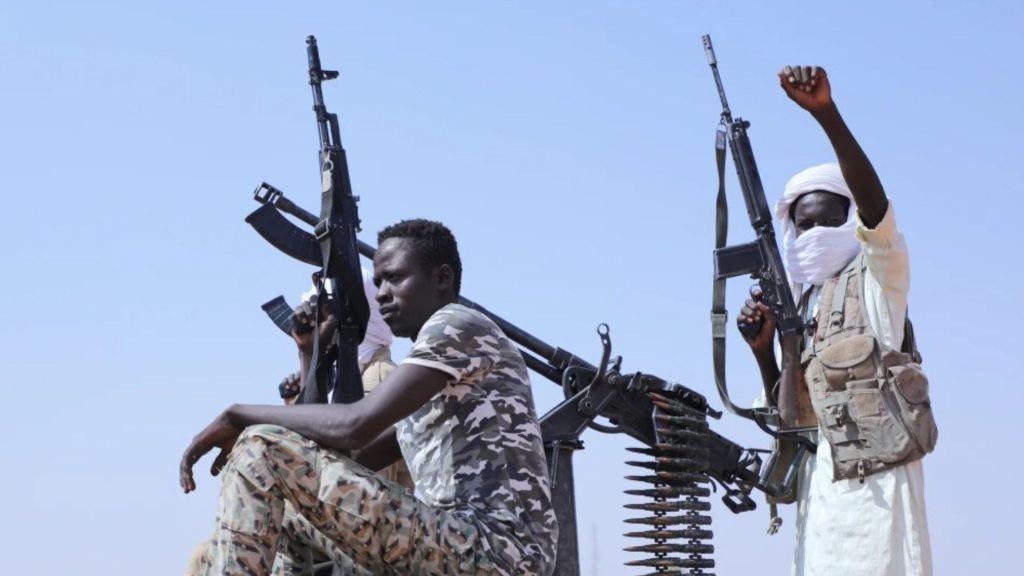
The conflict, which erupted in April 2023 between the Sudanese Armed Forces (SAF), led by Gen Abdel Fattah al-Burhan, and the paramilitary Rapid Support Forces (RSF), led by Gen Mohamed Hamdan Dagalo, has severely damaged the country’s basic services.
In Khartoum, Omdurman and Bahri, returning families are struggling to access clean water after months or years of displacement. Many depend on tankers, shallow wells and other sources whose safety cannot always be guaranteed.
Damage to water-treatment and pumping facilities, fuel shortages, sabotage and difficulties obtaining spare parts and treatment chemicals have further disrupted supplies.
For many residents, the challenge is no longer simply finding water, but finding water that is safe to drink.
One resident said, “The concern is no longer simply the scarcity of water, but the diseases it carries,” adding that many families were forced to disinfect water before drinking it despite the financial burden.
Akram Mahjoub, a resident of Jadin in Omdurman, described the situation as alarming, alleging that contaminated water had been linked to deaths and cases of severe diarrhoea.
He said limited access to clean water, sanitation and healthcare in western and southern Omdurman was contributing to the spread of disease.
“Most health centres have ceased operating, as have pharmacies. Even those that remain open have raised the cost of treatment,” Mahjoub said, adding that many residents could no longer afford medical tests and medicines.
The water crisis has coincided with a Washington Post investigation published on September 5 that reported evidence of a secret stockpile of chlorine-based chemical weapons allegedly developed by Sudanese military officials.
The newspaper said documents, photographs, videos and messages indicated that the alleged programme involved diverting chlorine shipments intended for water treatment, manufacturing warheads at military bases and testing chemical munitions.
The investigation reported that Sudanese security forces may have stockpiled as many as 290 chemical munitions.
The material was reportedly reviewed by more than two dozen Western intelligence officials, chemical-weapons inspectors and experts, who considered it credible evidence of a chemical-weapons programme, although definitive confirmation would require access to suspected weapons sites and witnesses.
Gareth Williams, a former senior official at the Organisation for the Prohibition of Chemical Weapons and a senior fellow at the Royal United Services Institute, said the evidence was “alarming and a cause for deep concern.”
He cautioned that visual evidence alone could not conclusively verify the storage of chlorine munitions, although the indicators were consistent with a chemical-weapons programme.
Sudanese officials, including Gen al-Burhan, have denied developing or using chemical weapons.
The United States has previously accused Sudan of using chemical weapons and imposed sanctions over the alleged use.
The allegations are significant because chlorine is widely used to disinfect drinking water but can cause serious injury or death when weaponised.
According to The Washington Post, investigators found evidence that chlorine intended for water treatment may have been diverted for military use. UNICEF, which supplied chlorine to the Khartoum State Water Corporation between 2023 and 2025 for six water-treatment plants, said it had no record of its supplies being diverted or misused.
Despite the allegations, available evidence does not establish that chemical weapons caused the contamination of Khartoum’s drinking water.
Local authorities have blamed water shortages on damage to production facilities, sabotage, fuel shortages, inadequate maintenance and difficulties obtaining spare parts.
The Khartoum State Water Corporation previously attributed shortages in parts of Bahri to the receding Nile, which affected the intake of a station serving the area.
An engineer with the corporation told Sudan Tribune that the sector had faced unprecedented conditions since the beginning of the year, with the declining Nile flow coinciding with extensive damage to major water infrastructure.
Speaking anonymously, he said stabilising supplies would require protecting water-treatment and pumping stations, ensuring reliable electricity and securing adequate supplies of treatment chemicals.
For returnees, the collapse of basic services has created another humanitarian dilemma.
Aida Abdullah, 58, said access to drinking water had become a daily struggle, with residents forced to seek help from charities and spend hours queuing to fill containers.
“Obtaining drinking water has become a great dream for families,” she said, according to Al-Araby Al-Jadeed.
She said returning families were confronting shortages of water, fuel and electricity, raising the risk that some could be displaced again.
WHO says disease outbreaks remain widespread as Sudan’s health system struggles with conflict, displacement, damaged facilities and shortages of essential supplies.
The agency said Sudan’s latest cholera outbreak was declared over in March 2026 after more than a year of response efforts, including vaccination campaigns that reached 24.5 million people.
But with water and sanitation infrastructure still severely damaged, the conditions that enable waterborne diseases to spread remain.
For millions of Sudanese, the war has created a dangerous convergence of displacement, damaged infrastructure, disease and failing public services. In Khartoum, access to sufficient and safe drinking water has become an increasingly urgent humanitarian challenge.
About The Author