Kihika Targets Reduced Referrals With Naivasha Hospital Upgrade
Kihika said the county would continue investing in healthcare infrastructure, medical equipment and human resources to ensure that improvements in hospital facilities translated into better patient outcomes.
By Suleiman Mbatiah
Patients seeking specialized medical attention at Naivasha Level V Hospital could soon have fewer reasons to travel to referral facilities elsewhere following ongoing investments in critical care, renal services and specialist medical departments.
The facility, which was elevated to Level V status in June this year, is expanding its capacity to manage complex medical conditions, including cancer, kidney disease and cardiac complications. Plans to increase intensive care capacity and establish four operating theatres are also expected to strengthen its role as a regional referral center.
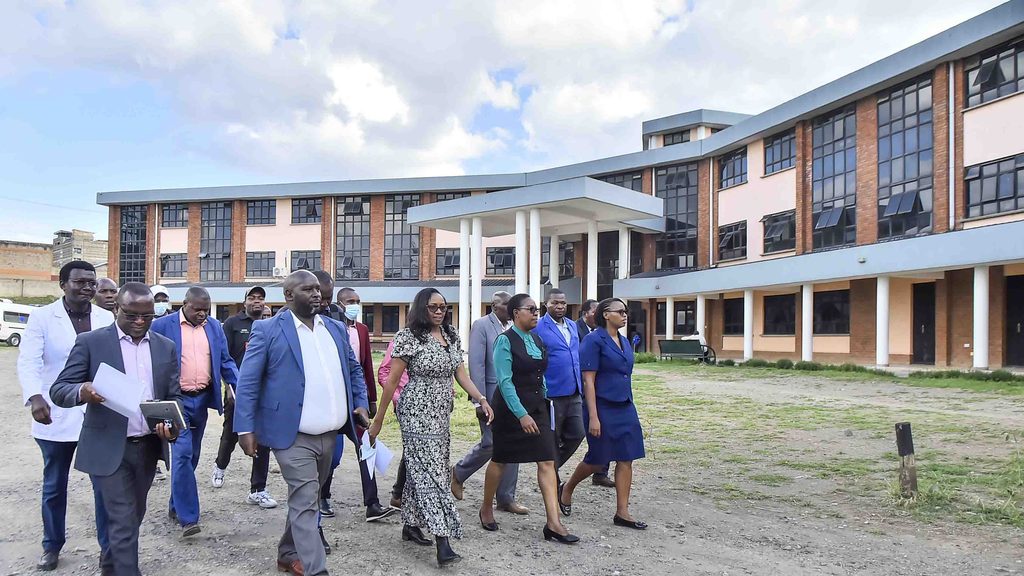
Governor Susan Kihika, during a tour of the facility, said her administration was committed to strengthening healthcare infrastructure and ensuring residents could access specialized medical services closer to home without having to travel long distances to other referral hospitals.
“Our focus is to ensure that every resident can access quality and specialized healthcare within our county. The elevation of Naivasha Hospital to Level V status is a significant step towards achieving this goal, and we are committed to providing the infrastructure, equipment and personnel required to deliver better services,” she said.
The hospital serves Naivasha and neighboring sub-counties and counties, with a catchment population of 117,456 people. Its location along a major highway also exposes it to a substantial workload involving road traffic injuries and other emergencies.
The facility has 295 beds approved by the Social Health Authority (SHA) and attends to an average of 500 outpatients daily. As of November 5, 2026, it had 330 inpatients and recorded 385 deliveries in October.
Its specialist departments include renal care, pediatrics, ear, nose and throat (ENT), ophthalmology, surgery, internal medicine, obstetrics and gynecology, dental care, orthopedics, anesthesia and pain medicine, and psychiatry.
The hospital has also introduced cardiology and oncology services, broadening the range of specialized conditions it can manage.
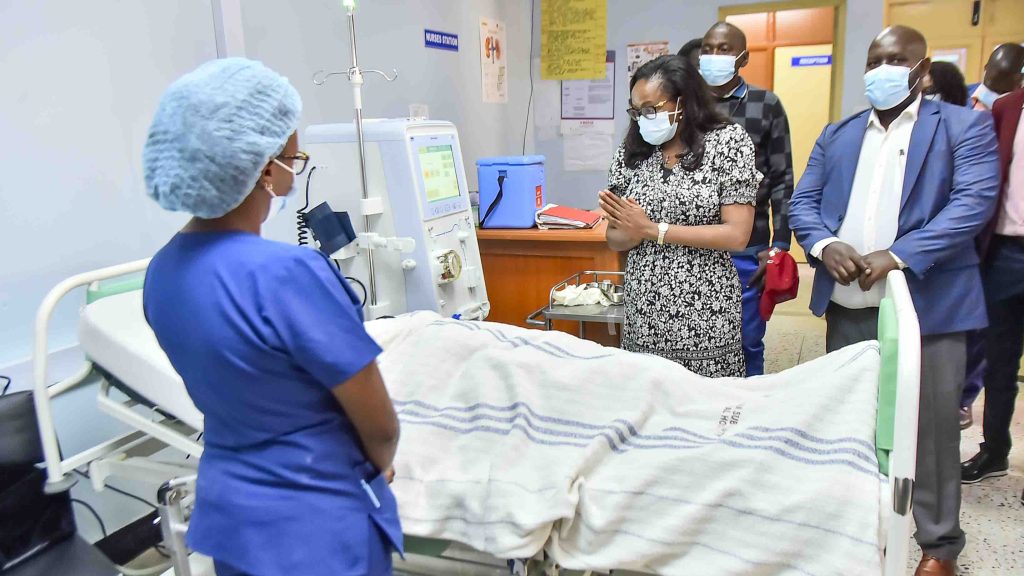
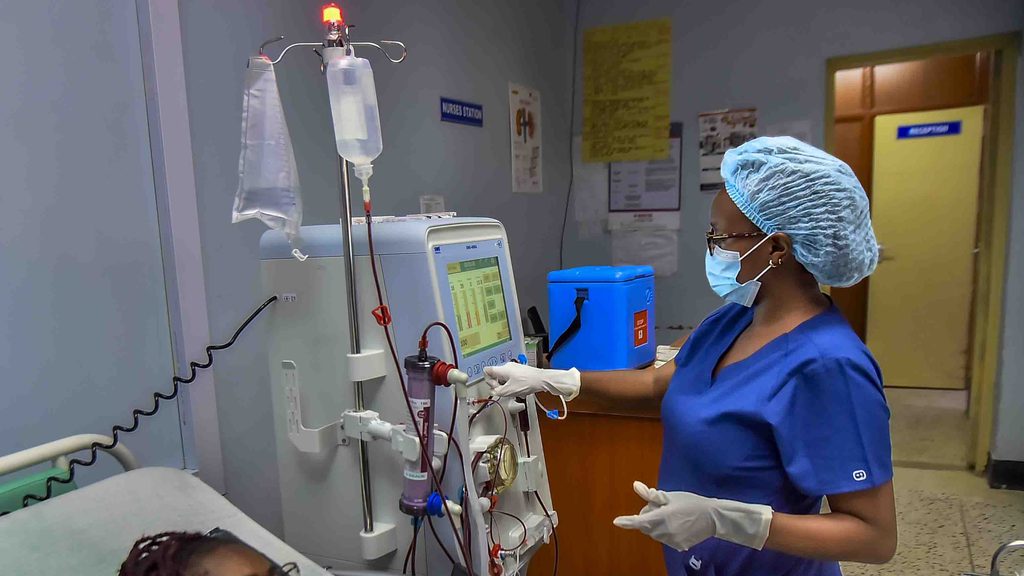
In a major boost to renal care, four replacement dialysis machines have been installed and are fully operational, restoring capacity in a unit that was facing the risk of closure after its previous equipment became obsolete.
The five original machines, acquired in 2018, had reached the end of their useful life. Between January and September 2026, the renal unit conducted 1,234 dialysis sessions, underscoring the demand for kidney treatment services at the facility.
The planned relocation to a new renal and intensive care unit/high-dependency unit (ICU/HDU) building is expected to double dialysis capacity from five to 10 stations while increasing intensive care beds from two to 10.
The expansion is expected to strengthen the hospital’s capacity to manage critically ill patients, reduce referrals and improve access to life-saving interventions.
Kihika said the county was prioritizing investments that directly improve the quality of care, particularly in departments handling patients requiring specialized treatment.
“We want Naivasha Level V Hospital to become a facility where patients can receive comprehensive medical attention, including critical care and specialized treatment. Our investment in dialysis services, intensive care and surgical infrastructure is intended to strengthen the hospital’s capacity and improve outcomes for patients,” she said.
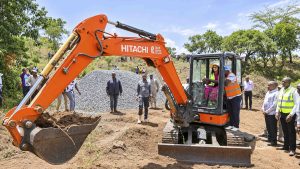
The county is also advancing plans to construct four operating theatres, with the procurement process already completed.
Once constructed, equipped and operational, the theatres are expected to increase surgical capacity, reduce waiting times and referrals, and enable the hospital to handle more complex procedures.
Other planned investments include the acquisition of a CT scanner and an MRI machine to strengthen diagnostic services and reduce the need to refer patients elsewhere for advanced imaging.
Kihika said the county would continue investing in healthcare infrastructure, medical equipment and human resources to ensure that improvements in hospital facilities translated into better patient outcomes.
“Our responsibility is not just to build hospital structures but to ensure that they are fully equipped, adequately staffed and able to provide reliable services. We will continue addressing the gaps affecting our health facilities so that the improvements translate into better experiences and outcomes for patients,” she said in an earlier public address.
About The Author