Nakuru Bets On Irrigation To Boost Food Security In Semi-Arid Areas
The rehabilitation of the Lari Wendani scheme comes amid growing calls for increased investment in irrigation as counties seek to reduce reliance on rain-fed agriculture, particularly in areas vulnerable to climate variability.
By Our Correspondent
Farmers in arid and semi-arid parts of Nakuru County are set to benefit from expanded irrigation infrastructure as the county government steps up efforts to transform rain-fed agriculture into year-round food production.
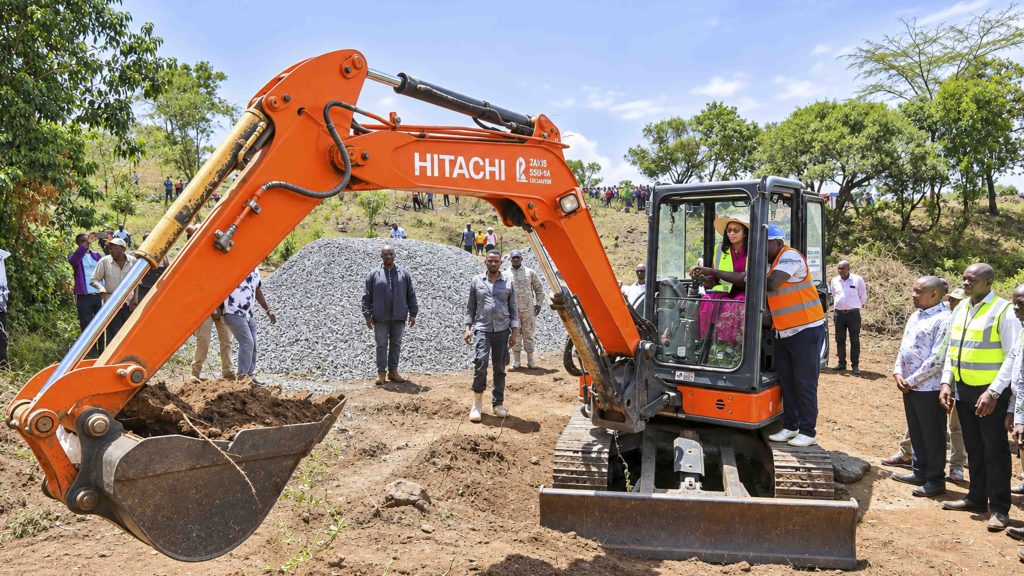
The initiative received a major boost today after Governor Susan Kihika broke ground on the Sh58.5 million Lari Wendani Irrigation Scheme rehabilitation project in Kanyotu Village, Waseges Ward, Subukia Sub-County.
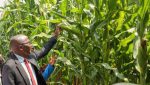
The project is expected to expand the area under irrigation from the current 100 acres to 250 acres, directly benefiting approximately 250 farming households and increasing agricultural production in an area where farmers have traditionally depended on rainfall.
The investment is part of the county government’s broader strategy to strengthen climate-resilient agriculture, improve household incomes and enhance food security by ensuring farmers can produce throughout the year despite increasingly unpredictable weather patterns.
Speaking during the groundbreaking ceremony, Kihika said her administration had prioritized irrigation development to reduce farmers’ vulnerability to erratic rainfall and prolonged dry spells.
“I have deliberately prioritized irrigation investments because our farmers cannot continue to depend entirely on rain-fed agriculture, especially in the face of climate change, erratic rainfall and prolonged dry spells,” she said.
The rehabilitation of the Lari Wendani scheme is expected to address longstanding infrastructure challenges that have constrained agricultural production and limited the number of farmers accessing reliable irrigation water.
Established in 1983 and subsequently rehabilitated in 2008, the scheme currently serves approximately 100 acres through a gravity-fed water distribution system.
However, years of deterioration have affected its efficiency, with frequent bursts and leakages reported along the existing uPVC pipeline network. The water intake structures have also been affected by siltation, while traditional irrigation methods have contributed to inefficient water utilization.
Consequently, the scheme’s irrigation efficiency has been estimated at approximately 40 percent, limiting its capacity to support agricultural production across the beneficiary farms.
The rehabilitation works at a contract sum of Sh58,556,355.20, will involve the installation and rehabilitation of 27,229 meters of conveyance, mainline, sub-main and distribution pipelines.
The project will also provide 250 plot hydrants to improve water distribution and ensure farmers have more efficient and equitable access to irrigation services.
Upon completion, each targeted farmer is expected to irrigate approximately one acre, compared with the current average of half an acre, effectively expanding productive farmland and creating opportunities for increased agricultural output.
Kihika said the investment would improve farmers’ ability to plan production cycles, increase yields and participate more effectively in agricultural markets.
“This means more land under production, increased agricultural output, improved household incomes and greater food security,” the governor said.
The project is being implemented through the National Agricultural Value Chain Development Project (NAVCDP), a partnership involving the National Government, the World Bank and county governments aimed at improving agricultural productivity and strengthening farmers’ participation in value chains.
Nakuru is among 33 counties implementing the program, which covers 50 wards across all 11 sub-counties.
Beyond irrigation infrastructure, the county government has supported 50 Savings and Credit Cooperative Organizations (SACCOs) and 40 Farmer Producer Organizations (FPOs) through the program.
According to the governor, a total of Sh50.667 million has been disbursed to SACCOs through inclusion and matching grants, while 17 Producer Organizations have received inclusion grants amounting to Sh32.07 million.
The interventions are intended to strengthen farmer organizations, improve access to financing and enhance the capacity of agricultural producers to access markets.
The irrigation investment also complements other agricultural programs undertaken by the county government in Subukia, including the distribution of avocado and pyrethrum seedlings, maize seeds and subsidized fertilizer under the last-mile fertilizer program.
The Governor urged farmers to embrace modern agricultural practices and take advantage of the various interventions to increase production and improve their economic wellbeing.
“I therefore urge the farming communities around the Lari Wendani Irrigation Scheme to take full advantage of these opportunities by expanding their agricultural activities and embracing modern, efficient and sustainable farming practices,” she said.
She also called on the Lari Wendani Irrigation Water Users’ Association and beneficiary farmers to take responsibility for protecting and maintaining the infrastructure to ensure its long-term sustainability.
The governor warned that the success of the investment would depend not only on the contractor and government but also on the commitment of farmers to safeguard the water distribution network and use available resources responsibly.
She urged farmers to avoid vandalism and misuse of water resources, report leakages promptly, observe agreed water distribution schedules and contribute towards operation and maintenance costs.
“Remember, this infrastructure belongs to you, and its long-term sustainability is in your hands,” Kihika said.
The rehabilitation of the Lari Wendani scheme comes amid growing calls for increased investment in irrigation as counties seek to reduce reliance on rain-fed agriculture, particularly in areas vulnerable to climate variability.
About The Author