Wetang’ula Calls For Balanced Kenya-China Trade As Deficit Hits Sh654bn
A more balanced economic relationship will depend on Kenya’s ability to expand the range and value of its exports, attract investment into productive sectors and ensure that bilateral cooperation supports inclusive growth. For Nairobi, the priority is to build on its partnership with Beijing while securing greater domestic economic returns from trade, infrastructure and industrial collaboration.
By Staff Writer
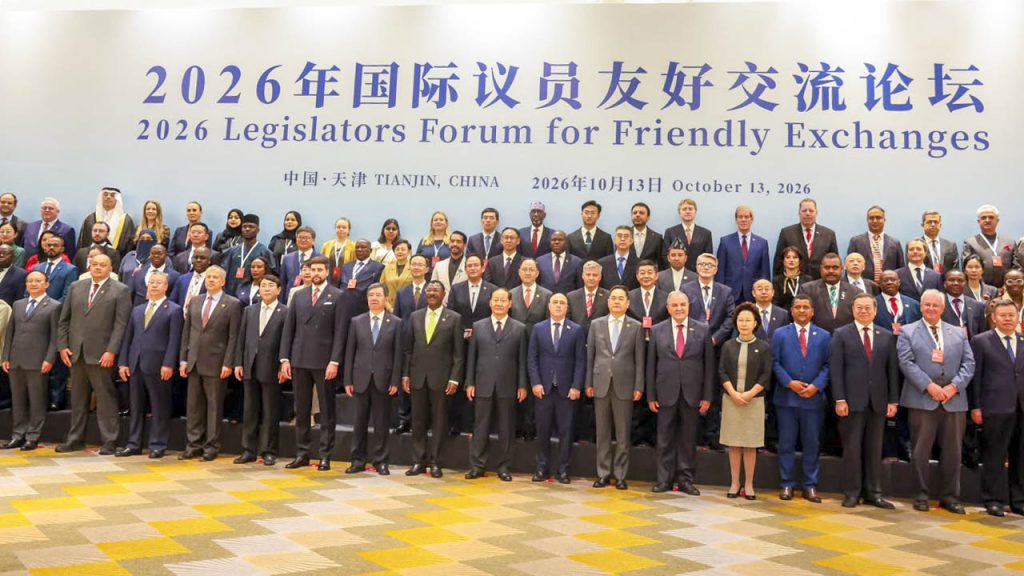
Kenya is seeking to rebalance its economic relationship with China by expanding exports, attracting investment and securing greater technology transfer and local manufacturing, as Nairobi looks to narrow a KSh654.3 billion (US$5.05 billion; 33.77 billion Chinese yuan) trade deficit and translate bilateral cooperation into jobs and economic opportunities.
Speaking at the 2026 Legislators Forum for Friendly Exchanges in China, National Assembly Speaker Moses Wetang’ula called for deeper economic engagement between the two countries, emphasizing the need to build on longstanding bilateral relations to accelerate industrialization and advance shared development priorities.
“I emphasize on the need to build on our longstanding partnership to grow industries and open up economic opportunities. Projects such as the Standard Gauge Railway, Nairobi Expressway and Lamu Port show the value of this cooperation,” he stated.
Kenya’s economic cooperation with China has supported major infrastructure projects, including the Standard Gauge Railway, Nairobi Expressway and Lamu Port. These investments have expanded transport and logistics capacity while highlighting opportunities for cooperation in manufacturing, agriculture, technology and skills development.
However, the imbalance in bilateral trade remains a major challenge. In 2025, Kenya imported goods worth approximately KSh673.4 billion (US$5.19 billion; 34.76 billion Chinese yuan) from China, compared with exports valued at about KSh17 billion (US$130.8 million; 876 million Chinese yuan).
The figures underscore the scale of the gap and the need to strengthen Kenya’s productive capacity and competitiveness in international markets.
Closing the gap will require more than increased trade volumes. Kenya needs to expand domestic manufacturing, add value to agricultural products and improve market access for Kenyan goods in China. Greater investment in local processing and export-oriented industries could also help retain more value within the domestic economy and create employment.
China has agreed to grant approximately 98.2% of Kenyan products zero-duty access to its market under an Early Harvest Agreement. The arrangement presents an opportunity to expand Kenyan exports, although the gains will depend on producers’ ability to meet market requirements and supply goods consistently.
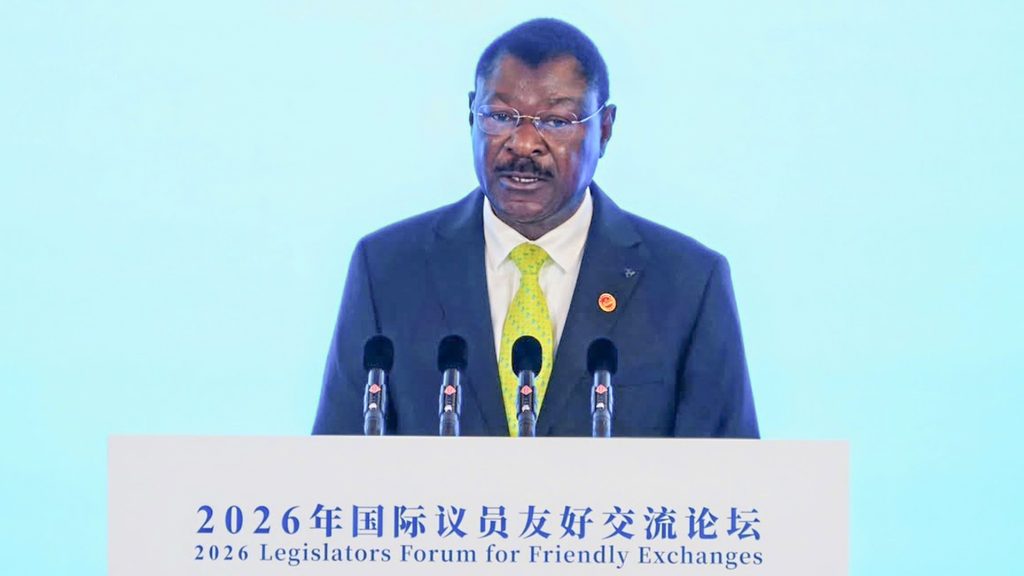
The Speaker also highlighted technology, agriculture, clean energy and skills development as areas where closer cooperation could create employment and strengthen Kenya’s productive capacity.
“Cooperation in technology, agriculture, clean energy and skills development can create more opportunities, especially for young people. Already, 144 technical and vocational training institutions have received modern equipment, while 314 trainers have been trained through Kenya–China cooperation,” the Speaker noted.
The challenge will be to translate these initiatives into measurable gains in productivity, local enterprise development and employment, while ensuring that technology transfer strengthens Kenya’s domestic industrial capabilities.
Wetang’ula said parliamentarians had a responsibility to ensure that bilateral relations translated into tangible economic benefits for citizens through supportive legislation, oversight and partnerships that promote local production.
“As Parliamentarians, our role is to promote policies and partnerships that deliver real benefits to our people. Our goal is to turn the friendship between Kenya and China into jobs, inclusive growth and lasting prosperity,” Wetangula said.
A more balanced economic relationship will depend on Kenya’s ability to expand the range and value of its exports, attract investment into productive sectors and ensure that bilateral cooperation supports inclusive growth. For Nairobi, the priority is to build on its partnership with Beijing while securing greater domestic economic returns from trade, infrastructure and industrial collaboration.
About The Author