Olekeis Honored For Preserving Ilchamus Traditions, Indigenous Values
He said honoring national heroes should go hand in hand with protecting the cultural foundations that define the communities they represent. By recognizing and preserving these traditions, he added, Kenya can strengthen its national identity while ensuring that the voices and contributions of minority communities remain part of its shared story.
By Staff Writer
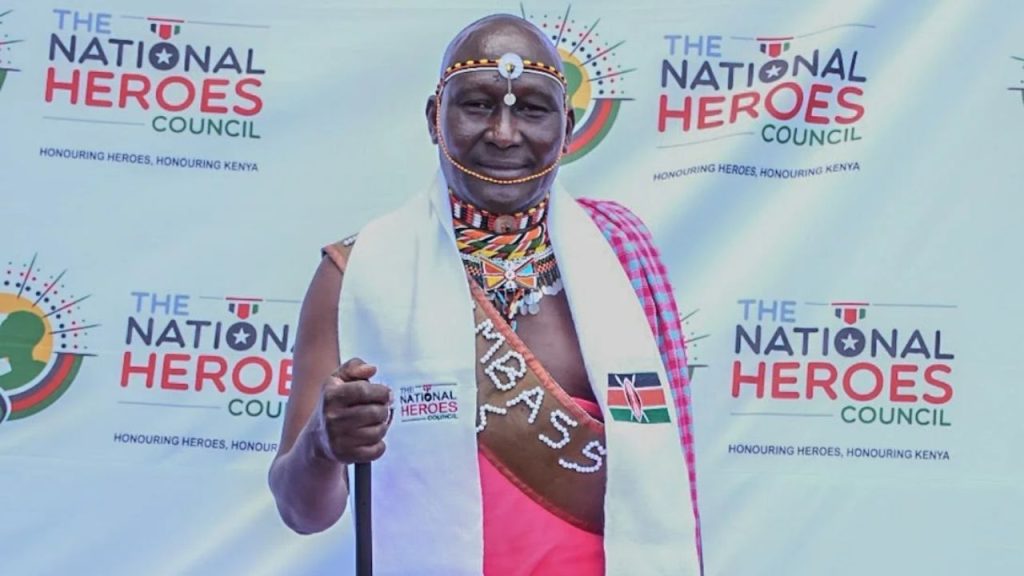
For Leonard Olekeis, being named a national hero during the 2026 Mashujaa Day celebrations was more than a personal milestone. It was a recognition of the cultural identity, resilience and aspirations of the Ilchamus community and other marginalized groups whose heritage forms part of Kenya’s national identity.
Olekeis, a cultural heritage and indigenous values champion from Baringo County, received the national recognition during the Mashujaa Day celebrations in Uasin Gishu County for his efforts to preserve and promote the traditions, indigenous language and cultural values of the Ilchamus community.
The recognition marked an important moment for a community whose cultural identity and indigenous knowledge form part of Kenya’s diverse heritage. It also brought attention to the importance of safeguarding the traditions of minority communities and ensuring their contributions to the country’s national identity receive greater recognition.
For Olekeis, the honor affirmed years of commitment to cultural preservation and the importance of ensuring that indigenous knowledge is passed on to future generations. He described the experience as one of the most significant moments of his life, acknowledging the people and community whose support had sustained his work.
“Being recognised as a national hero during the 2026 Mashujaa Day Celebrations in Uasin Gishu County was one of the most profound and humbling moments of my life,” he said.
Beyond the personal achievement, Olekeis sees the recognition as an opportunity to draw greater attention to the experiences and contributions of marginalized communities across Kenya. He believes that the country’s national story should reflect the diversity of its people and recognize the cultural contributions of communities regardless of their size or historical circumstances.
His recognition also highlights the role played by cultural champions in preserving indigenous languages, traditions and values at a time when communities continue to experience social and economic changes. For the Ilchamus, protecting these cultural resources is essential to maintaining a distinct identity and ensuring younger generations understand their heritage.
Olekeis said the honor represented more than an individual achievement, emphasizing that the community’s resilience and aspirations were central to the recognition.
“This recognition goes beyond personal achievement. It represents the resilience, identity and aspirations of the Ilchamus people and other minority and marginalised communities whose contributions to our nation deserve greater visibility and appreciation,” he said.
His remarks underline the broader significance of cultural preservation in a country whose communities have distinct languages, traditions, indigenous knowledge and social values. Protecting these cultural resources can help strengthen understanding between communities while ensuring that their histories and experiences remain part of Kenya’s collective heritage.
For Olekeis, the recognition also comes with a responsibility to expand efforts to protect indigenous heritage and encourage younger generations to value their cultural backgrounds. He argues that cultural traditions should not be viewed merely as relics of the past but as living resources that can contribute to social cohesion and community development.
He sees opportunities to connect cultural preservation with initiatives that promote tourism, education and the sharing of indigenous knowledge. Such efforts, he believes, can help communities preserve their identities while creating opportunities for future generations.
“Our cultures are not merely reminders of our past; they are living treasures that enrich our national identity and offer opportunities for social cohesion, tourism and community development,” he said.
The statement reflects his view that indigenous heritage has value beyond the preservation of customs and language. Traditional knowledge and cultural practices can provide opportunities for intergenerational learning, cultural tourism and community engagement while helping young people understand the histories that have shaped their communities.
Olekeis’ recognition also offers an opportunity to reflect on the place of minority communities in national heritage initiatives. While national celebrations honor individuals who have made significant contributions to society, their stories can also draw attention to the communities and collective experiences behind their achievements.
For the Ilchamus community, the honor provides a platform to celebrate its heritage and encourage continued efforts to preserve its traditions and indigenous language. It also reinforces the importance of ensuring that cultural knowledge is passed on to younger generations rather than lost as social and economic changes reshape community life.
Olekeis expressed gratitude to the National Heroes Council for the recognition and to the people who have supported him throughout his journey. He dedicated the honor to the people of Baringo County, the Ilchamus community and marginalized communities across the country.
He said the recognition should encourage greater appreciation of the contributions made by communities whose cultural heritage has not always received sufficient national attention.
“Today, I stand honoured, humbled and deeply grateful. This recognition is not mine alone; it belongs to my people, whose heritage, resilience and aspirations continue to give meaning to my work,” he said.
The dedication reinforces the collective significance of the honor, placing the Ilchamus community and other marginalized groups at the center of the achievement. It also reflects Olekeis’ belief that recognizing cultural heritage champions should go hand in hand with appreciating the communities whose traditions they work to preserve.
As Kenya continues to celebrate individuals who have made notable contributions to society, Olekeis’ recognition brings into focus the role of cultural heritage champions in safeguarding the country’s collective memory and promoting respect for its diverse communities.
For him, the next phase of the journey lies in building on the recognition by continuing to promote indigenous knowledge, protecting cultural values and encouraging young people to embrace their heritage with confidence and dignity.
He said honoring national heroes should go hand in hand with protecting the cultural foundations that define the communities they represent. By recognizing and preserving these traditions, he added, Kenya can strengthen its national identity while ensuring that the voices and contributions of minority communities remain part of its shared story.
About The Author