New Bill Seeks To Safeguard Kenya’s Indigenous Products
Officials say the proposed framework will enable producers to commercially leverage unique goods such as agricultural and artisanal products, while safeguarding them against imitation, misrepresentation, and unfair competition in both domestic and international markets.
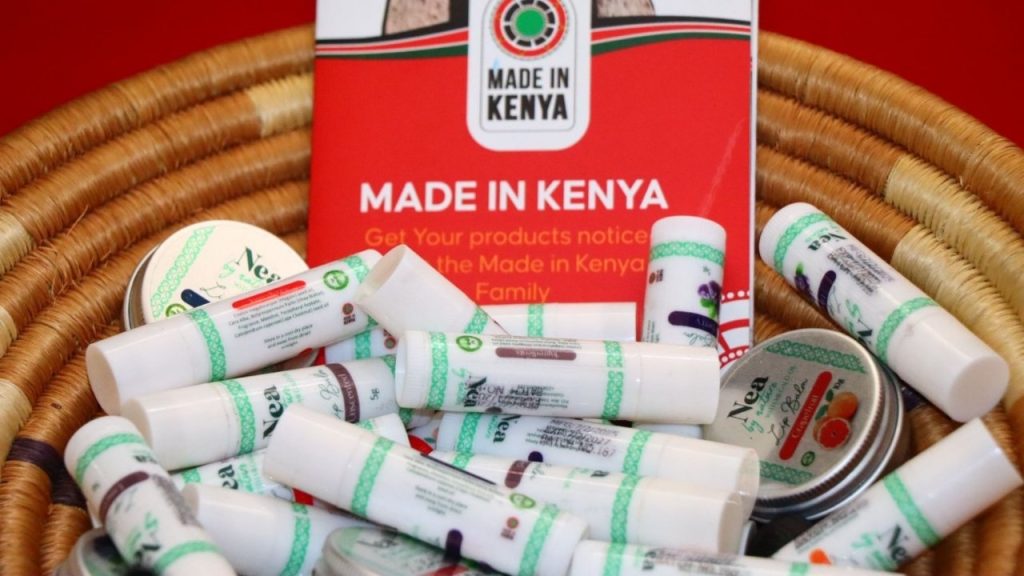
By Suleiman Mbatiah
Kenya is moving to unlock billions in untapped value from its indigenous products through a proposed Geographical Indications Bill, 2026, a policy shift expected to boost incomes for small-scale producers and strengthen the country’s competitiveness in global markets.
The draft law, currently under development by the State Department for Industry, seeks to formally recognize and protect products whose quality and identity are closely tied to their geographical origin across Kenya’s diverse regions.
Officials say the proposed framework will enable producers to commercially leverage unique goods such as agricultural and artisanal products, while safeguarding them against imitation, misrepresentation, and unfair competition in both domestic and international markets.
“This Bill will give Kenyan products the legal identity they deserve, ensuring communities benefit directly from the reputation and quality of what they produce,” said Principal Secretary Juma Mukhwana.
Originally conceptualized in 2018, the Bill aligns with constitutional provisions that require the State to protect intellectual property rights, particularly for micro, small, and medium enterprises that dominate Kenya’s production landscape.
Government officials indicate the proposed law also supports the Bottom-Up Economic Transformation Agenda by promoting value addition, strengthening branding, and improving access to markets for small-scale producers and emerging enterprises.
The framework comes at a time when globalization has expanded trade opportunities but also exposed local products to increased risks of counterfeiting, identity theft, and exploitation by larger international competitors.
According to industry stakeholders, establishing geographical indications could elevate the global profile of Kenyan products while ensuring that economic benefits remain within the communities that produce them.
“We have seen other countries build strong export brands through geographical indications, and Kenya cannot afford to lag behind in protecting its own heritage and market potential,” said a senior official involved in the drafting process.
The Ministry of Investments, Trade and Industry has launched a nationwide public participation process, inviting stakeholders, producers, and members of the public to submit feedback on the draft legislation before it is finalized.
Public forums are scheduled across major regions including Nairobi, Nyeri, Kisumu, Nakuru, Garissa, Embu, Kakamega, Eldoret, and Mombasa, with sessions set to run from mid to late April during designated consultation periods.
Authorities have also provided multiple submission channels, including official government websites, email, and physical delivery to the Kenya Industrial Property Institute offices, to ensure broad and inclusive stakeholder engagement.
The deadline for submitting views has been set for April 23, 2026, with officials emphasizing the importance of public input in shaping a law expected to have long-term economic and cultural implications.
“This is a critical opportunity for producers and citizens to shape a law that will define how Kenya protects and markets its unique products for generations,” the ministry said in a public notice.
About The Author