E-Waste Imports Push Kenya Toward Environmental, Public Health Emergency
A policy brief launched in Nairobi shows Kenya has become a major destination for global electronic waste, much of it shipped from Europe and North America under the guise of reusable equipment, often violating international conventions.
By Suleiman Mbatiah
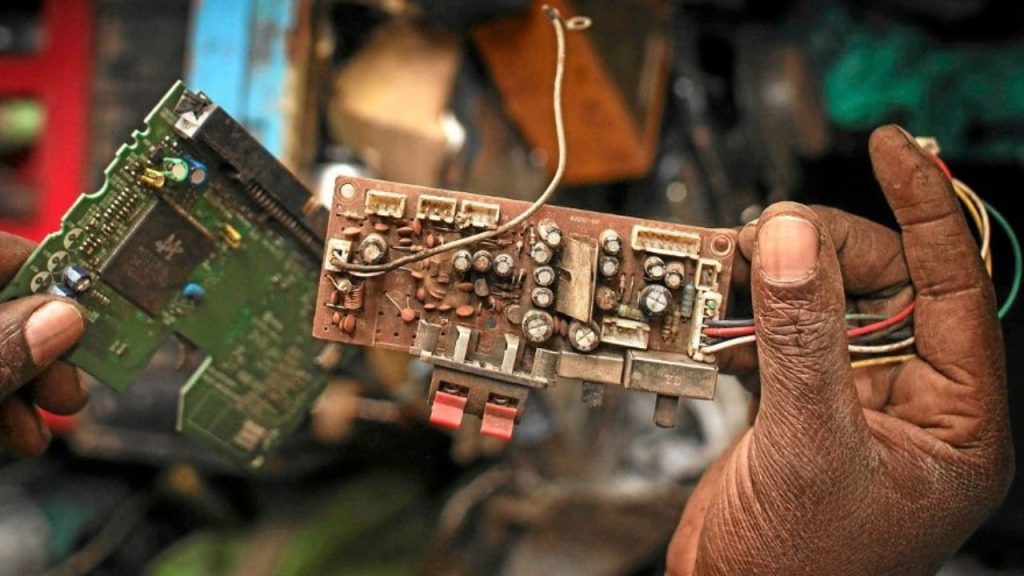
Kenya imports about 70 percent of its electronic equipment, much of it near end-of-life, contributing to a growing e-waste stream of over 51,000 metric tonnes each year, with minimal formal recycling capacity.
Environmental advocates warn the escalating influx is exposing vulnerable communities to toxic hazards, as most discarded electronics are processed informally through unsafe methods that release hazardous substances into air, soil, and water systems.
A policy brief launched in Nairobi shows Kenya has become a major destination for global electronic waste, much of it shipped from Europe and North America under the guise of reusable equipment, often violating international conventions.
According to the report, Nairobi and Mombasa serve as key entry and redistribution points, with high volumes of new, second-hand, and end-of-life electronics circulating through informal and formal networks with limited regulatory oversight.
“What we are witnessing is waste colonialism in action: wealthy countries offloading toxic burdens onto African communities under the guise of development and charity,” said Hellen Kahaso Dena of Greenpeace Africa.
The brief documents widespread unsafe recycling practices including open burning, acid leaching, dumping in water bodies, and manual dismantling, all of which release heavy metals and persistent organic pollutants into surrounding communities.
Health data from Korogocho shows 61 percent of waste pickers report illness linked to e-waste exposure, including respiratory complications, skin infections, and physical injuries from handling heavy and hazardous materials without protection.
The report also highlights that up to 1,000 toxic substances can be released during informal recycling, with children and pregnant women identified as particularly vulnerable due to prolonged exposure and developmental risks.
Economic findings indicate waste pickers operate in unstable conditions, earning as little as 40 to 70 shillings per device or component, with no social protection despite forming the backbone of the recycling chain.
“These are not abstract numbers. Behind every statistic is a mother, a child, a young man trying to earn a living by picking through the world’s discarded electronics with his bare hands,” Kahaso added.
The policy brief notes Kenya’s e-waste surged to over 53,000 metric tonnes in 2024, driven largely by small household devices, cooling equipment, and digital electronics as demand for technology continues to rise.
It further points to weak enforcement of existing frameworks such as the Extended Producer Responsibility regulations, despite policies like the Sustainable Waste Management Act and national e-waste strategy aimed at improving handling and disposal systems.
“Kenya and Ghana cannot continue to absorb the world’s discarded electronics while receiving none of the benefits,” Kahaso said, calling for stricter enforcement, formalisation of waste workers, and investment in local recycling capacity.
About The Author