Bio Tank Africa Opens Nakuru Branch As County’s Sanitation Gaps Persist
Biodigesters, which process waste through natural biological breakdown, operate without connection to centralized sewer systems, making them suitable for areas beyond existing infrastructure coverage.

By Suleiman Mbatiah
A leading Kenyan waste management firm has opened a new branch in Nakuru County, expanding access to affordable sanitation technology in a county where only 3.4 percent of its 2.16 million residents are connected to a sewerage system.
Bio Tank Africa launched the office over the weekend at Shayona Business Centre near Stem Hotel, positioning itself to address mounting sanitation challenges driven by rapid urban growth and limited infrastructure expansion.
County data shows more than 65 percent of human waste generated in Nakuru remains untreated, underscoring the scale of the public health and environmental risks linked to inadequate waste management systems.
Nakuru Minister for Water, Environment, Energy, Climate Change and Natural Resources, Dr Nelson Maara, said the investment introduces a timely intervention in areas struggling with unsuitable soil conditions.
“The technology has come at the right time as we address the issue of our loose sandy soil profiles that lead to pit latrines collapse and contamination of domestic water through underground cracks,” he said during the launch.
Officials noted that population growth continues to outpace sewerage expansion, increasing demand for off-grid sanitation solutions across peri-urban and fast-developing zones within the county.
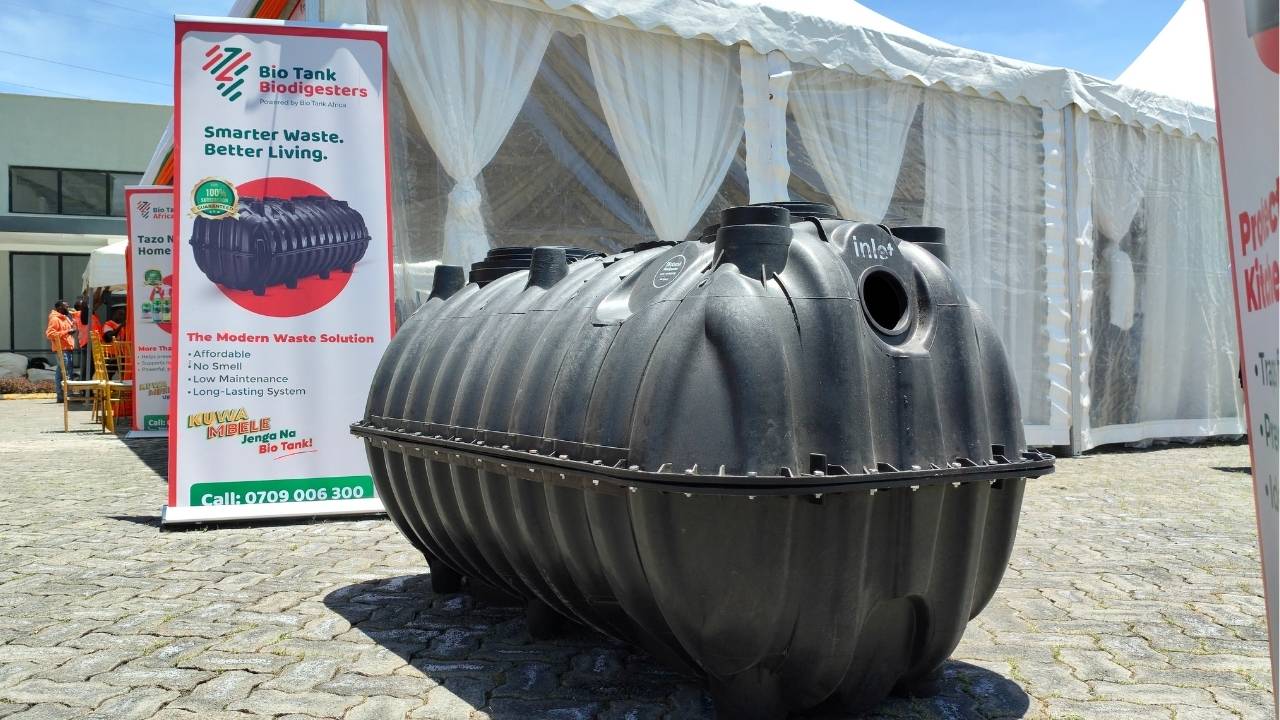
Biodigesters, which process waste through natural biological breakdown, operate without connection to centralized sewer systems, making them suitable for areas beyond existing infrastructure coverage.
For many households, especially within middle-income segments, the high cost of conventional septic systems has remained a key barrier, forcing reliance on pit latrines and other informal disposal methods.
Bio Tank Africa founder Edwin Kirugo said the company’s expansion is anchored on closing that affordability gap while responding to urgent sanitation needs on the ground.
“This is not just a business expansion. Nakuru has a real sanitation problem, and we are here because the gap between what people need and what has been available to them is too wide to ignore,” he said.
Founded in 2018, the company has grown from a single operation into a three-branch enterprise, with the Nakuru office marking its most significant regional expansion so far.
The launch drew officials from the construction and plumbing sectors alongside representatives from the county government, reflecting growing institutional interest in private-sector participation in sanitation delivery.
Nakuru Town East Ward MCA Anthony Kanyere said accessible and locally available sanitation alternatives are becoming increasingly important as pressure on existing sewer systems intensifies.
Beyond households, the new branch is expected to support developers and contractors operating in areas without sewer connections by improving access to products and technical support.
The company’s portfolio includes biodigester units for residential and commercial use, grease trap systems for kitchens, septic tank cleaning solutions, and natural home care products under the Tazo brand.
About The Author