Nakuru Turns To Revenue Mapping To Strengthen Development Planning, Service Delivery
The CO said updating the registers would also help the county address discrepancies arising from changes in business operations, closures and property subdivisions.
By Suleiman Mbatiah
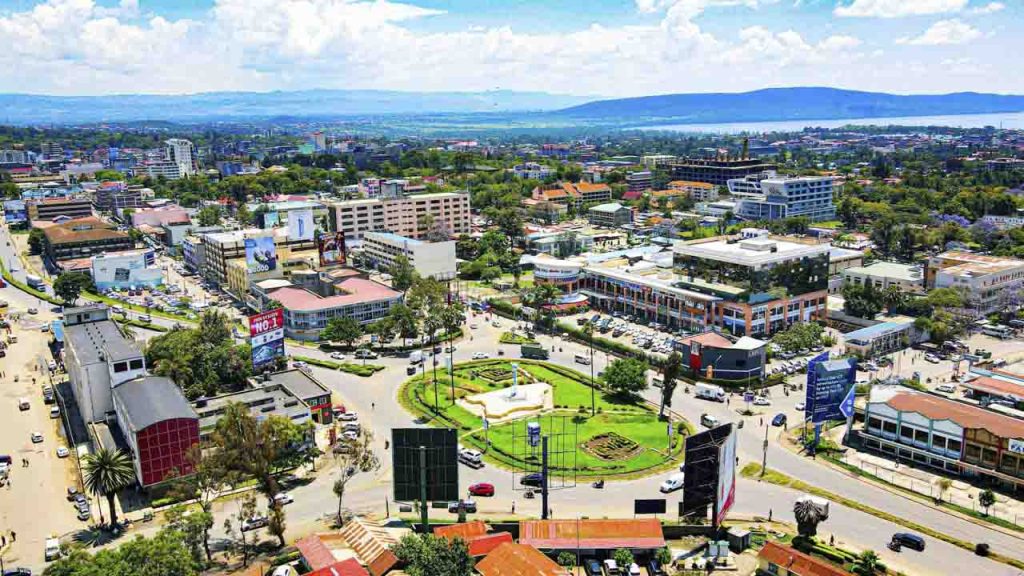
Nakuru County is seeking to strengthen its development planning by establishing an accurate database of businesses, property owners and economic activities across its 11 sub-counties.
The exercise is expected to give the county a clearer picture of its revenue potential, enabling more realistic budget projections and better-informed decisions on the distribution of resources to development programs and essential services.
The two-month exercise, which began in November and is expected to run through December, will involve mapping businesses, reviewing operating permits, updating property records and assessing economic activities in markets across the county.
The initiative targets various economic sectors, including retail businesses, salons, barbershops, restaurants, bars, transport operators, savings and credit cooperative societies (SACCOs), property owners and market traders.
According to Chief Officer for Economic Planning and Revenue Administration Dr Victor Achoka, the exercise is intended to provide the county government with reliable data to support revenue forecasting, budget preparation and more efficient allocation of public resources.
Dr Achoka said the county had recorded significant growth in its own-source revenue, which had increased from Sh3.2 billion when Governor Susan Kihika took office to more than Sh5.4 billion in the last financial year.
He attributed the progress to efforts by the county administration to strengthen revenue collection and said the ongoing mapping exercise would help identify additional revenue opportunities and improve the accuracy of existing records.
“To be able to do better, to work more efficiently, and to use data-driven insights, we’ve initiated this very noble exercise of revenue mapping and updating our register, so that we know exactly what you are looking for,” Dr Achoka said.
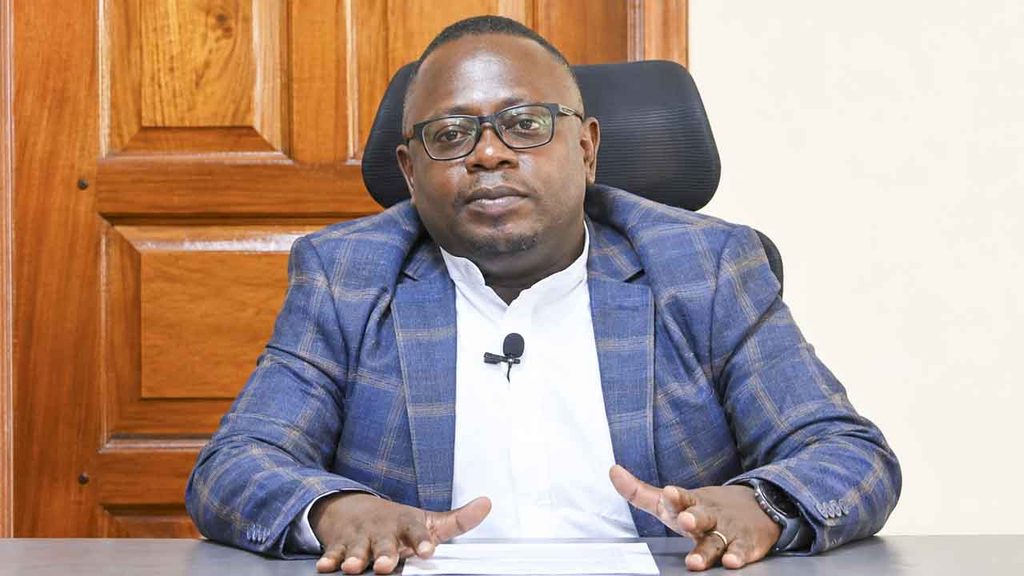
He explained that reliable revenue information was essential in determining the resources available to the county and ensuring that budget estimates reflected its actual economic potential.
The county’s budget combines funds received from the national government through equitable share allocations and grants with locally generated revenue. Accurate projections of these revenue streams are critical in determining how much can be allocated to development programs and the provision of essential services.
The CO said updating the registers would also help the county address discrepancies arising from changes in business operations, closures and property subdivisions.
He noted that some enterprises had expanded or changed their lines of business over time, while others had closed, making it necessary to update information previously captured in county records.
Similarly, some properties initially registered as large parcels of land had subsequently been subdivided and sold in smaller portions, creating discrepancies in property records and outstanding land rate assessments.
The mapping exercise will help establish the current status of such properties and businesses, allowing the county to maintain more accurate records and improve revenue administration.
“Somebody could be doing a business one day probably, and over time it grows to be something different. So we’d like to capture all this into our system,” he said.
The exercise will also cover markets, where revenue officers are expected to establish the number of traders operating in different trading spaces, review existing licenses and update information on business activities.
The resulting database is expected to improve the county’s understanding of its economic landscape and provide a stronger basis for identifying revenue gaps, projecting collections and planning development expenditure.
Beyond revenue collection, the exercise is also intended to improve transparency and predictability in the administration of business licenses and other county charges.
Dr Achoka said the county was developing a pricing and tariffs policy to provide justification for the charges imposed on businesses and other revenue-paying entities.
The policy is expected to complement preparations for the next County Finance Act, which will provide the legal framework for the county’s revenue measures in the coming financial year.
The initiative is aimed at ensuring that revenue charges are properly justified while giving businesses greater clarity on the basis of the fees they are required to pay.
He urged traders and property owners to cooperate with the teams conducting the exercise, clarifying that the visits were primarily intended to collect information and update county records.
“When you see our staff coming to your premises, carrying out this statistical exercise, please be as helpful as possible,” he said.
He added that revenue officers and enforcement personnel deployed during the exercise would be undertaking legitimate county assignments and urged residents not to be misled by misinformation surrounding the initiative.
About The Author