Nakuru, KNH Partner To Strengthen Childhood Cancer Care
During the mentorship programme, clinicians conducted specialist consultations, case reviews, bedside teaching and multidisciplinary discussions aimed at equipping frontline healthcare workers with the skills to recognise warning signs of childhood cancers and initiate timely referrals for specialised treatment.
By Suleiman Mbatiah
Children in Nakuru County with suspected cancer are set to benefit from faster diagnosis and improved access to specialized treatment following a partnership between Nakuru County Referral and Teaching Hospital and Kenyatta National Hospital aimed at strengthening local paediatric oncology services.
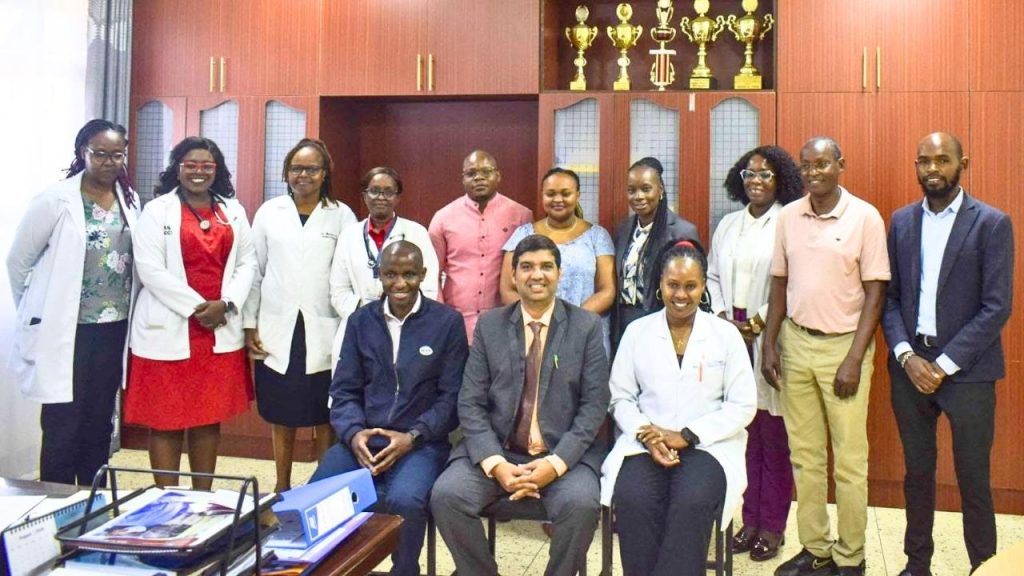
The collaboration was reinforced at the conclusion of a two-day childhood cancer mentorship and sensitization programme, where specialists from Kenyatta National Hospital worked alongside healthcare workers at Nakuru County Referral and Teaching Hospital to strengthen the diagnosis, referral and management of paediatric blood disorders and childhood cancers.
Paediatric haemato-oncology is a specialised branch of medicine that focuses on diagnosing and treating blood disorders such as sickle cell disease, anaemia and clotting disorders, as well as childhood cancers including leukaemia, lymphoma, brain tumours, Wilms tumour and bone cancers. Early diagnosis remains one of the most important factors in improving survival and treatment outcomes.
During the mentorship programme, clinicians conducted specialist consultations, case reviews, bedside teaching and multidisciplinary discussions aimed at equipping frontline healthcare workers with the skills to recognise warning signs of childhood cancers and initiate timely referrals for specialised treatment.
The visiting team was led by paediatric haemato-oncologist Dr Irene Nzamu and Kenyatta National Hospital Director of Affiliations Kennedy Mbogo, who commended the commitment demonstrated by healthcare workers at the county referral hospital and acknowledged the institution’s growing capacity to provide specialised services for children.
The discussions also explored long-term collaboration through specialist exchange programmes, continuous mentorship, telemedicine support and strengthened referral pathways to ensure children requiring advanced cancer treatment receive appropriate care without unnecessary delays.
Hospital Director Mr Santosh Devaraj said the partnership reflects the hospital’s commitment to continuously improving specialised healthcare services for children by investing in skills transfer and collaboration with national referral institutions.
“Continuous learning and collaboration with national referral institutions are critical in building local capacity and improving health outcomes for children and their families,” said Devaraj, adding that partnerships enable county clinicians to acquire specialised skills, access expert guidance on complex cases and adopt best practices.
According to the World Health Organization, an estimated 400,000 children and adolescents worldwide develop cancer every year, with leukaemia, brain tumours and lymphomas among the most common childhood cancers. Survival exceeds 80 per cent in many high-income countries but remains significantly lower in low and middle-income countries because many children are diagnosed late or fail to access timely treatment.
In Kenya, health experts estimate that between 3,000 and 4,000 children develop cancer annually, yet only a fraction are diagnosed and treated at specialised referral facilities. Studies have identified delayed diagnosis, limited awareness of childhood cancer symptoms, long travel distances to specialist centres and shortages of trained personnel as some of the major barriers to effective care.
About The Author