Cancer Survivor Turns Painful Treatment Experience Into Hope For Others
The initiative is planning another cancer support activity at KNH on October 23, when members of the public will have an opportunity to contribute to the initiative.
By Suleiman Mbatiah
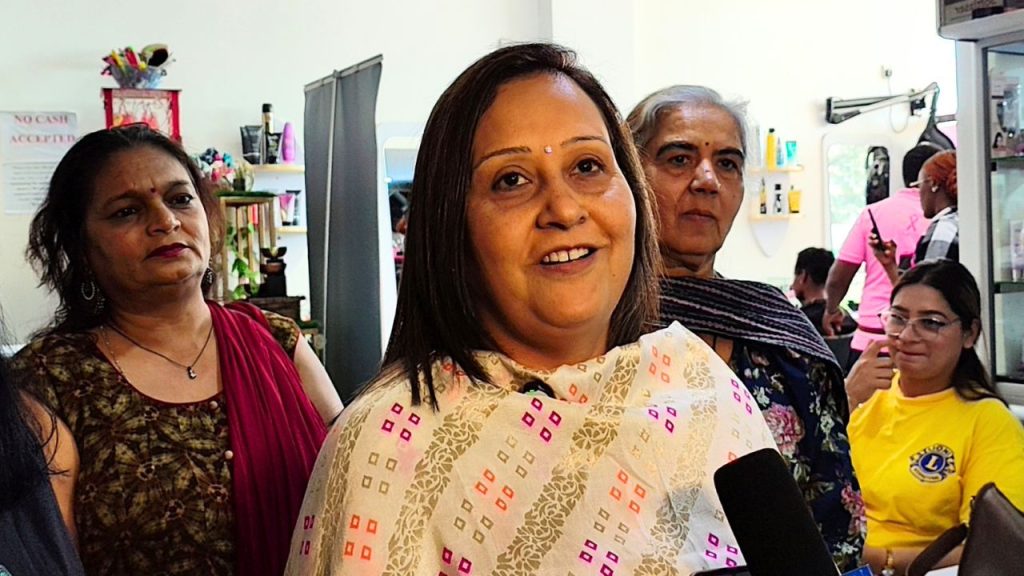
For Harshidha Karia, the memory of breast cancer treatment is tied not only to surgery and months of chemotherapy, but also to losing her hair, eyebrows and eyelashes.
Diagnosed with breast cancer in May 2016, Karia travelled from Nakuru to HCG Hospital in Ahmedabad, India, where doctors carried out tests before removing a lump from the left side of her breast and her lymph nodes.
She then underwent eight months of chemotherapy, followed by 28 radiation treatments and five years of medication.
“After that, my eyebrows, eyelashes, everything was gone,” Karia said.
The experience, however, did not end with her treatment. Nearly a decade later, Karia is using what she went through to support other cancer patients, joining a hair donation campaign in Nakuru aimed at providing wigs free of charge to people undergoing treatment.
And today, Karia joined members of the Hindu community in Nakuru City during a hair donation drive organized by the Lions Club of Nakuru and Wigs and Wings Drive, a community-based initiative involving hairstylists, beauticians and makeup artists.
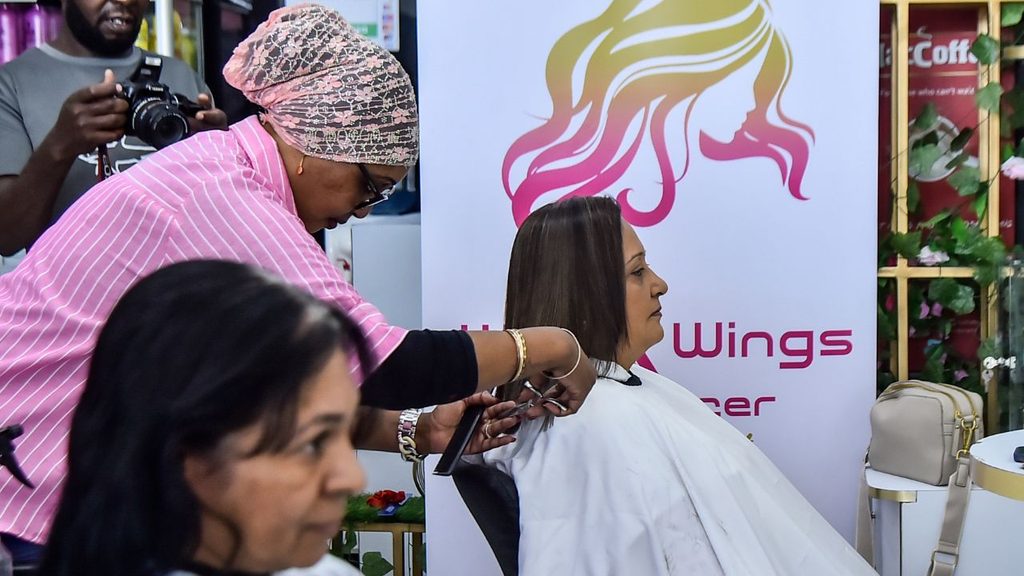
For Karia, taking part in the campaign was a chance to help patients facing an experience she knows personally.
She said her own experience had taught her the importance of remaining strong and positive during treatment and encouraged other patients not to lose hope.
“And then only one thing I can say, cancer is not a big thing. It’s a very small thing. You need to fight and you just be strong, positive, and nothing is going to happen,” she said.
Her experience comes as cancer continues to place a substantial burden on Kenya’s health system. The International Agency for Research on Cancer’s GLOBOCAN estimates recorded 44,726 new cancer cases in Kenya in 2022, with breast cancer accounting for 7,243 cases, making it the country’s most commonly diagnosed cancer. Cervical cancer followed with 5,845 cases, while prostate cancer accounted for 3,582.
Against that national backdrop, initiatives such as the Nakuru hair donation campaign focused on an often-overlooked aspect of cancer treatment: helping patients cope with changes to their appearance and maintain a sense of dignity while undergoing care.
Her story is also at the heart of why organizers believe something as simple as donated hair can make a difference to cancer patients.
Shailesh Seth, one of those who helped organize the Nakuru City campaign, said the Hindu community had been involved in cancer-related activities for about two decades.
He said the idea for the Nakuru drive emerged after his daughter-in-law, Chandni Seth, brought to his attention a hair donation initiative being run in Nairobi by a community-based organization supporting cancer patients at Kenyatta National Hospital (KNH).
The initiative, Seth said, presented an opportunity for the Nakuru community to start its own contribution, even with a relatively small number of participants.
“And we saw it as an opportunity for us from Nakuru, no matter how small in number, to kickstart this event, so it can inspire more members to donate their hair, which goes to provide wigs,” Seth said.
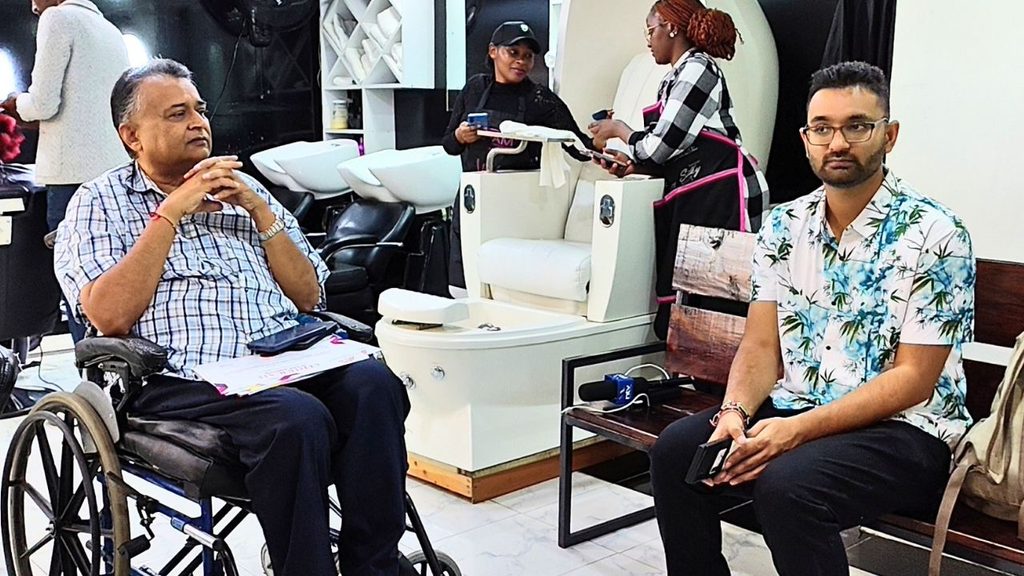
He said the wigs are prepared at the organizers’ own cost and given to cancer patients free of charge, providing support to people already dealing with the financial burden of treatment.
The first Nakuru event attracted about 20 to 25 participants, Seth said, adding that organizers hoped to expand the initiative beyond hair donations to include food and other forms of assistance for cancer patients at KNH.
For Jane Okoth, a Nairobi-based professional hairdresser heading the campaign, the initiative grew from what she and other hairdressers were seeing in salons.
Some clients who had regularly visited salons stopped coming, prompting hairdressers to follow up and discover that some were undergoing chemotherapy.
“We were losing so many clients. When we are doing a follow up, we get some clients are not coming to the salon,” Okoth said, adding that the balding effects of cancer treatment had kept their clients away, prompting her to start the initiative.
The experience made the hairdressers look differently at the tons of hair that was routinely cut and discarded.
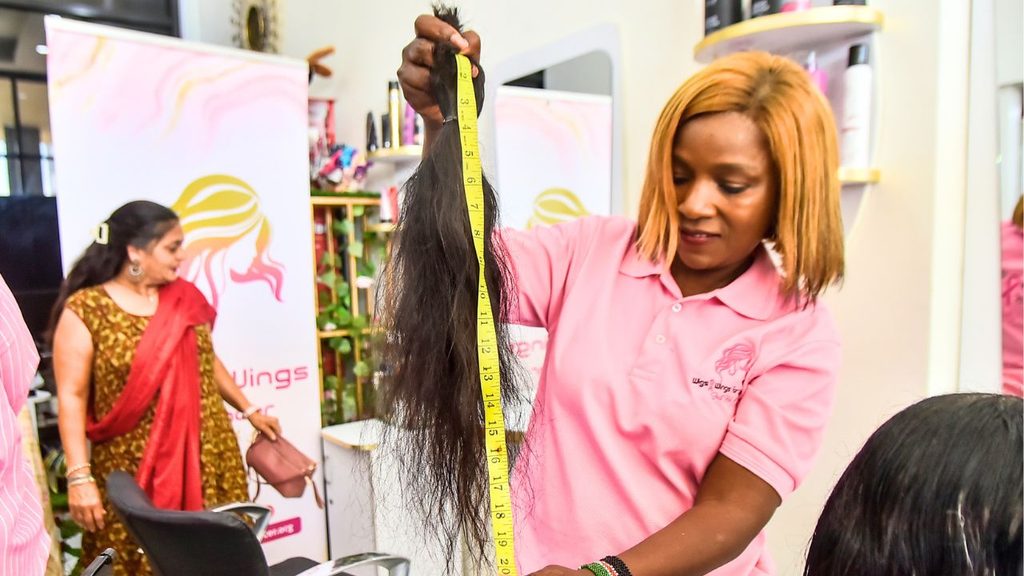
Okoth said some clients undergoing treatment needed wigs, while hair collected from salons was often simply thrown away because nobody had considered that it could be put to another use.
That realization eventually led to the formation of the hair donation initiative, which initially supported 40 cancer patients at KNH.
As word spread, the number of beneficiaries increased to about 300 patients by the previous year, Okoth said. The program is targeting about 500 patients at the national referral hospital this year.
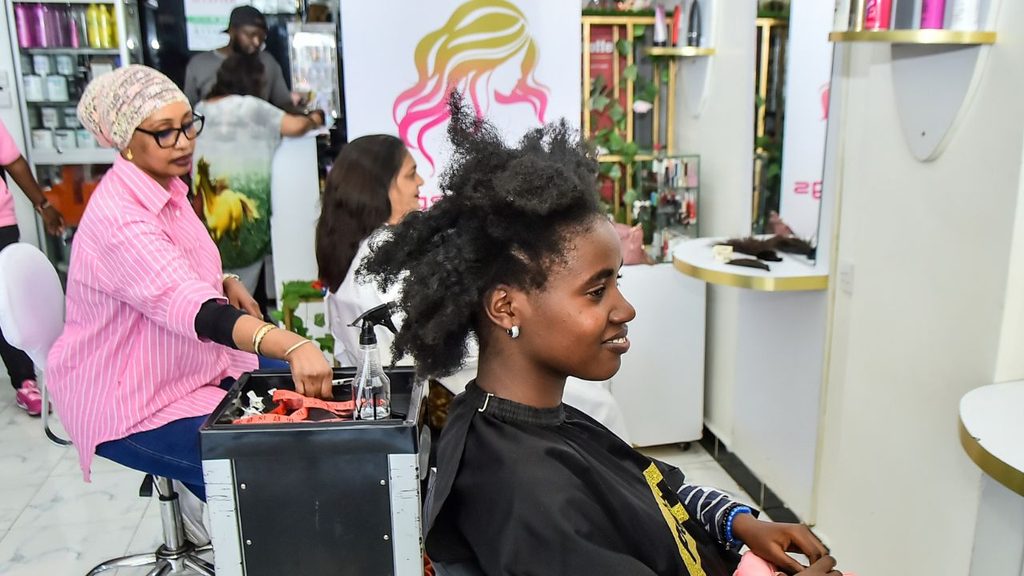
The Nakuru campaign was the initiative’s first hair collection drive in the city and attracted more than 30 donors, including people who had sent their hair earlier and those who donated during the event.
Okoth said the response had encouraged organizers to return to Nakuru and seek more donors.
The initiative is planning another cancer support activity at KNH on October 23, when members of the public will have an opportunity to contribute to the initiative.
The Ministry of Health in July 2026 reiterated that Kenya is recording approximately 44,000 new cancer cases annually, underscoring the continuing need for prevention, screening, early diagnosis, treatment and long-term patient care.
Between 2020 and 2023, the registry recorded 4,824 breast cancer cases according to patients’ county of usual residence, including 398 from Nakuru County.
About The Author