Katiba Day: Ruto Calls For Investigation Into 2024 Gen Z Protest Violations
By Suleiman Mbatiah
President William Ruto has called for independent, thorough and transparent investigations into credible allegations of human-rights violations linked to the 2024 protests, saying anyone found responsible should be held accountable under the law.
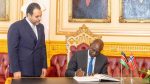
Speaking during the commemoration of the 16th anniversary of the promulgation of the Constitution at the Kenyatta International Convention Centre (KICC) in Nairobi, Ruto said the protests raised an important constitutional question: how to protect the right to demonstrate while maintaining public order.
He said young Kenyans and other citizens who took part in the demonstrations were exercising constitutional freedoms, including the rights to speak, assemble, demonstrate, picket and petition public authorities.
According to the President, calls during the protests for greater accountability, better governance and a meaningful role in shaping the country’s future should not be treated as an attack on democracy.
“Those demands were not an assault on democracy. Peaceful protest, criticism, and dissent are essential to democracy,” Ruto said.
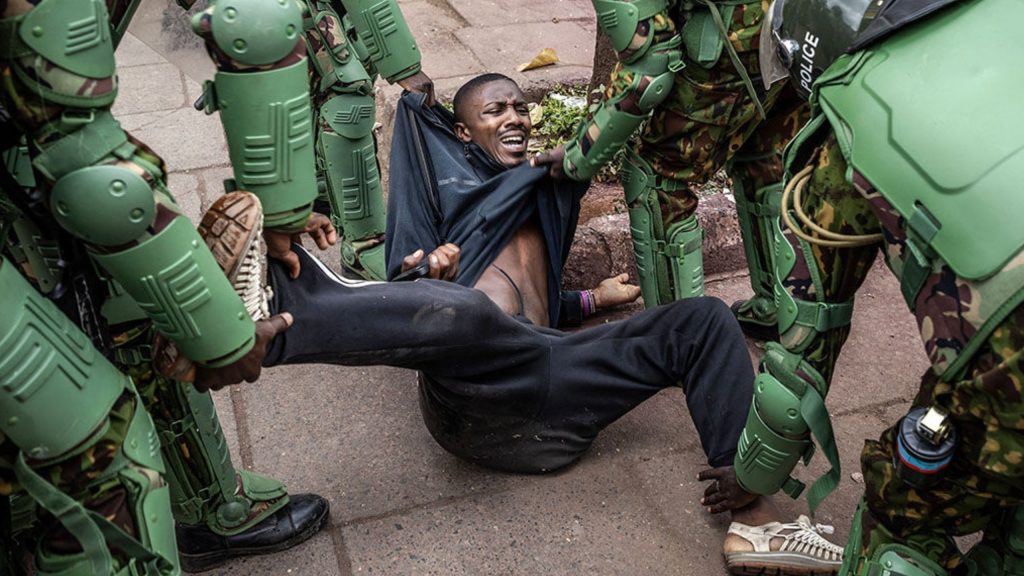
Ruto acknowledged the pain caused by the protests, with some families losing loved ones and serious allegations arising over unlawful arrests, enforced disappearances and the excessive use of lethal force.
He said the State could not claim to uphold the Constitution while ignoring such allegations, and insisted that credible claims of human-rights violations must be properly investigated.
“We cannot honour the Constitution by looking away from such allegations,” Ruto said.
The President said the investigations must be independent, thorough and transparent, and that those found responsible for wrongdoing should face accountability in line with the law.
His remarks come as scrutiny continues over the conduct of security agencies during the protests, with human-rights organisations previously raising concerns about alleged excessive force, arbitrary arrests, abductions and other abuses linked to demonstrations in Kenya.
Ruto, however, said recognising the right to peaceful protest should not be taken to mean protection for criminal acts committed during demonstrations.
He said Article 37 of the Constitution protects the right of every person to assemble, demonstrate, picket and present petitions to public authorities peacefully and unarmed, but does not cover violence or destruction of property.
“The Constitution protects peaceful and unarmed assembly. It does not protect arson, looting, lawlessness, violence, intimidation, attacks on citizens or the destruction of public and private property,” Ruto said.
He urged Kenyans and State agencies to distinguish between legitimate constitutional protest and criminal conduct, saying authorities should not punish an entire movement for the actions of a few individuals.
Ruto said protecting the rights of protesters and maintaining public order should be seen as complementary duties, not competing ones.
“We must, therefore, distinguish carefully between a citizen exercising a constitutional right and an individual committing a criminal offence,” he said.
He added that the State’s duty to maintain order must go hand in hand with respecting citizens’ lives, dignity and constitutional rights.
“The right to protest carries a responsibility to remain peaceful and unarmed. The duty to maintain order carries an obligation to respect life, dignity, and the law,” Ruto said.
The President said Kenya’s wider challenge is to build a constitutional order based on liberty while making sure the exercise of individual freedoms does not weaken the institutions through which citizens govern themselves.
He said the Government, Parliament, courts and other institutions ultimately draw their legitimacy from the people and must remain accountable to them.
Ruto’s call for investigations came as part of a broader reflection on constitutional accountability during the Katiba Day commemoration, where he said the Constitution’s promise should be judged not only by institutional procedures but by what it delivers for citizens.
He said accountability should ensure that the sovereignty of the people is protected, human dignity upheld, public resources used responsibly and constitutional rights made more accessible to Kenyans.
The President said that, 16 years after the promulgation of the Constitution, Kenya’s task is to make its promise real in the lives of citizens.
He urged all arms and levels of government, as well as citizens, to uphold both the rights and responsibilities set out in the Constitution as the country continues to strengthen its democratic institutions.
About The Author