Dons Fault Chuka University Over Alleged Student Mobilization
The strike has placed university managements under pressure to restore learning, with students facing uncertainty over missed classes and possible delays to academic calendars.

By Elijah Cherutich
University lecturers have condemned attempts by Chuka University management to use students to pressure striking dons into resuming teaching, warning that such moves undermine their right to industrial action.
The lecturers said efforts to mobilize students against academic staff participating in the nationwide Universities Academic Staff Union (UASU) strike were untenable, insisting that the dispute must be resolved through negotiations rather than intimidation.
Speaking in Nakuru, university lecturer Dr. Benjamin Kosgei said lecturers would remain firm in their push for better remuneration and the fulfillment of their outstanding demands, despite mounting pressure to return to the lecture halls.
Kosgei questioned the government’s Sh12 billion offer, saying the proposal lacked a clear breakdown of its components and did not adequately address the concerns raised by academic staff.
“We asked the government what constitutes statutory deductions, basic salary is how much, car loan and mortgage, and others but the government remained adamant to only disclose the details of the figure and that is why we have instituted that we must be told”, he said.
He said the lack of transparency surrounding the offer had complicated efforts to resolve the dispute, adding that lecturers needed a clear explanation of how the proposed amount would be distributed before they could consider ending their industrial action.
The nationwide strike had entered its 12th day, disrupting learning in public universities as the government and academic staff remained locked in a dispute over remuneration.
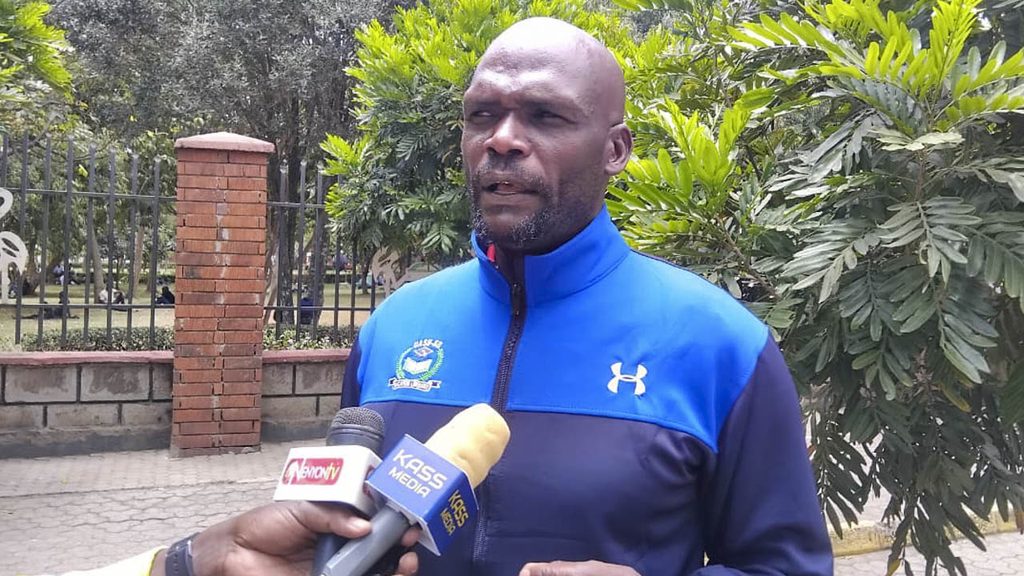
Kosgei accused successive governments of failing to adequately compensate university lecturers, arguing that their training, expertise and contribution to higher education deserved better recognition.
He said lecturers undergo years of academic and professional development before attaining the qualifications required to teach at universities, and their remuneration should reflect that investment.
The don maintained that the ongoing strike was aimed at securing fair treatment and improved working conditions, dismissing attempts to pressure lecturers into returning to work without addressing their grievances.
He acknowledged that students were bearing the consequences of the prolonged industrial action but argued that their academic concerns should not be used to undermine lecturers’ rights.
“You can’t dictate lecturers to teach, you can’t force them when they are on an empty stomach just because you feel your graduation will delay, let’s be cognizant of their rights too, ” he said.
Kosgei urged fellow lecturers to remain united and sustain their demands, saying a return to teaching should follow meaningful progress in resolving the dispute.
He said the government needed to engage academic staff on the outstanding issues and provide clear details of its offer to help break the impasse.
The strike has placed university managements under pressure to restore learning, with students facing uncertainty over missed classes and possible delays to academic calendars.
However, Kosgei maintained that pressuring lecturers to resume teaching without resolving the underlying dispute would not provide a lasting solution.
The lecturers’ position underscores the challenge facing efforts to end the industrial action, as the need to restore university learning collides with demands for improved remuneration and respect for workers’ rights.
About The Author