Dr Kinity Turns To Music To Carry His 2027 Campaign Message
By Staff Writer
Music is again becoming part of Kenya’s election politics, giving musicians campaign work and visibility while offering aspirants a form of political endorsement.
Kenya is expected to hold its next general election on August 10, next year, according to the Independent Electoral and Boundaries Commission timelines. The official campaign period has not started, but political songs, rally performances and popular recordings are already being used to carry politicians’ messages to different regions and audiences.
Candidates have long used musicians, DJs and custom songs to energize rallies and turn slogans into catchy choruses. That can bring performers income and exposure, but it can also link an artist’s name to a political party long after the event.
Veteran journalist Raphael Munge said songs have long been used to communicate political promises and public demands, including calls for roads, bridges, hospitals and other development projects. Both professional musicians and schoolchildren have been used to carry those messages.
Munge recalled political events from the independence era to the Ol Kalou by-elections, where songs carried the entire program, sometimes without speeches from the politicians present.
“Songs are very strong in delivering messages. Not only in campaigns but also in preaching and delivering religious teachings,” Munge said.
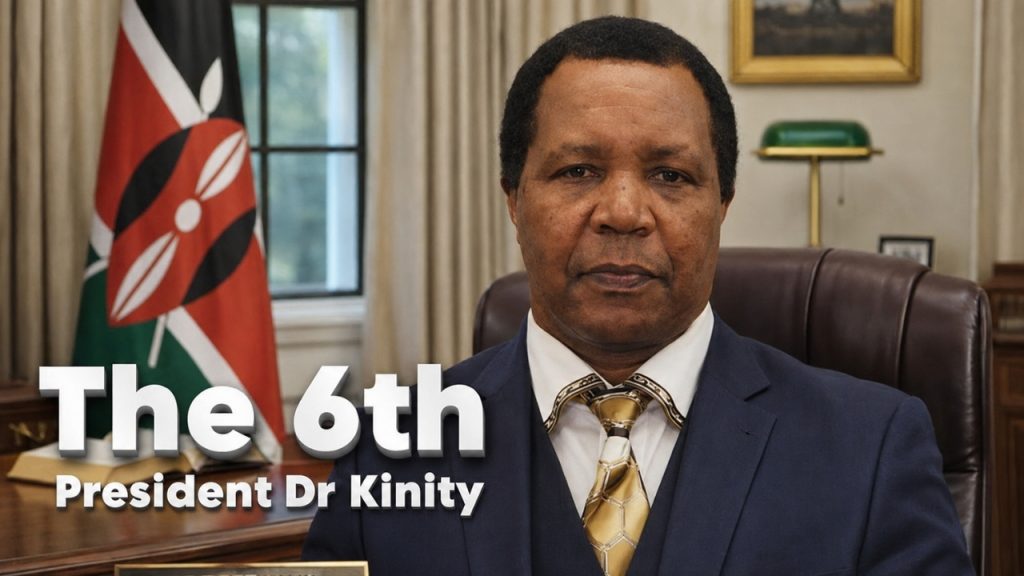
Politicians are already using that approach ahead of 2027. Dr Isaac Newton Kinity, a human rights advocate and former secretary-general of the Kenya Civil Servants Union, has declared an interest in the presidency and is the subject of a political song promoting his agenda.
The song presents Kinity as an advocate of good governance, human rights, accountability, service delivery and action against corruption. It also refers to his record in the civil servants’ union and sets out his proposals for economic recovery.
“The future of Kenya depends on our ability to hold leaders accountable and demand better governance,” Kinity said in an earlier statement.
Using songs to promote candidates is not new. Political leaders have relied on choirs, school groups and popular musicians since the early years of independence. Songs can praise a leader, explain a manifesto or put promises into words supporters are more likely to remember.
The practice also carries legal and reputational risks. During the 2022 election, Sauti Sol objected to the use of its song “Extravaganza” in a video announcing Martha Karua as Raila Odinga’s running mate.
The Kenya Copyright Board said the campaign had a public-performance licence allowing music to be played at rallies. However, that licence did not allow the song to be paired with a campaign video. A separate synchronisation licence from the composer and publisher was required, the board said.
The board later said the disputed recording had been produced by a third-party agency that was seeking an agreement with the musicians.
The case showed the difference between playing a song at a public event and using it in a political advertisement or social media video. It also showed how quickly a recording can create the impression that its performers support a candidate, even when they have given no such endorsement.
Parliament returned to the issue in 2026 after the government published consolidated music and audiovisual tariffs covering the period through 2028. On April 30, the National Assembly approved most of the tariffs but annulled Item CMT 22, which covered political events, street campaigns, candidate unveilings, party launches and manifesto presentations.
The National Assembly recorded the motion as adopted with the political-events tariff removed. Lawmakers who opposed the provision said the proposed charges would place unfair financial pressure on candidates.
Its removal did not cancel artists’ copyright. Campaigns still have to follow broader licensing rules and negotiate directly with copyright holders when using songs in videos or other promotional material.
Political music is not limited to paid endorsements. Vernacular songs often express local grievances, defend political records or attack rival candidates in languages familiar to particular communities. In the Mt Kenya region, musicians have become part of the debate around the 2027 contest, with new and older songs being interpreted through shifting political alliances.
Other artists have used music to challenge the political establishment. Rapper Octopizzo released “June 25th” after the youth-led demonstrations of 2024, combining protest footage with the voices of demonstrators and politicians. The song documented the anger and grief that followed the protests.
Musicians have also moved from entertainment into electoral politics. Charles Njagua Kanyi, known as Jaguar, represented Starehe in the National Assembly from 2017 to 2022. In the 2022 election, singer Kevin Kioko, popularly known as Bahati, ran for the Mathare parliamentary seat on a Jubilee Party ticket and finished third with 8,166 votes.
Their experiences suggest that fame brings recognition, but not necessarily votes. Candidates still depend on party organization, local networks and sustained contact with voters.
As the 2027 race takes shape, musicians are likely to appear as paid performers, campaign composers, candidates and critics of those seeking office. For political parties, the question is where permission to entertain a crowd ends and permission to use an artist’s work as campaign messaging begins.
For musicians, election income will come with a choice about how closely to tie their public identity to a politician. For voters, a song played at a rally does not necessarily mean the artist who recorded it supports the candidate on stage.
About The Author