Kihika Launches Certification Drive For Skilled Artisans To Unlock Jobs, Competitiveness
Industry players expect the program to professionalize Nakuru’s artisan workforce, improve construction standards, create sustainable employment, raise household incomes and enable local artisans to competitively secure contracts in both public and private sector construction projects across the country.
By Suleiman Mbatiah
To address youth unemployment and widen access to formal jobs, the County Government of Nakuru has launched a program to certify experienced artisans, allowing thousands of skilled workers without academic qualifications to compete for jobs and contracts using nationally recognized credentials.
The Recognition of Prior Learning (RPL) program is aimed at artisans who learned through years of practical work rather than formal training. They will undergo competency assessments and receive nationally recognized certification to improve their access to jobs, promotions, government tenders, and business opportunities.
The County will fully sponsor successful applicants through the National Construction Authority (NCA) Recognition of Prior Learning accreditation program, removing a major financial obstacle that has kept many experienced artisans from getting formal certification despite years of hands-on work.
The pilot phase is underway in Rongai, Njoro, and Bahati sub-counties before the program is expanded to all 11 sub-counties. Registration is open to masons, carpenters, plumbers, electricians, steel fixers, painters, plant operators, and other skilled construction workers.
Applicants must complete artisan profile and registration forms with details on their work experience, place of residence, tools and equipment used, and whether they are registered with the NCA. Registration and recommendations are being coordinated through designated vocational training centers. Interested artisans must collect and submit registration forms at their respective sub-county headquarters before the July 24 deadline ahead of the countywide rollout.
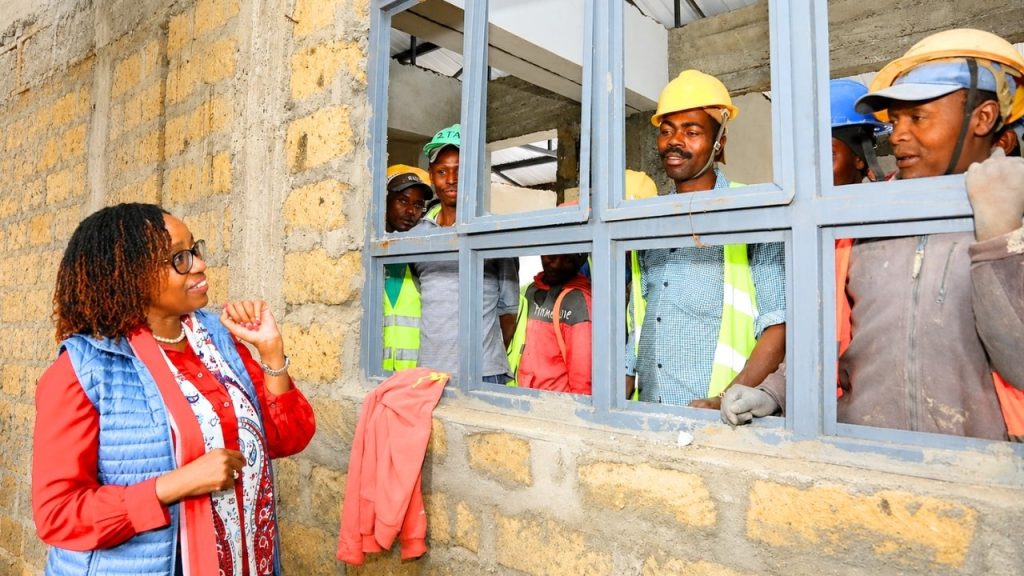
Governor Susan Kihika said the initiative is meant to bridge the gap between practical experience and formal qualifications so that artisans who have worked for years without certificates can compete fairly for jobs, government tenders, and contracts that require nationally recognized credentials.
“Our Recognition of Prior Learning program will ensure that the skills and experience our artisans already possess are formally recognized, opening doors to better-paying jobs, business opportunities and career growth,” Governor Kihika said.
The Governor said her administration wants to ensure that lack of formal certification no longer shuts skilled young people out of employment opportunities despite the valuable hands-on experience they have gained over many years.
Chief Officer for Housing and Urban Development Architect Kamau Kuria said the program recognizes competencies gained through years of practical work, allowing artisans to earn professional accreditation without going through conventional classroom training.
He said many experienced local artisans remain locked out of lucrative construction contracts because they lack NCA registration, forcing them to work as casual laborers on projects despite having the technical expertise to handle specialized assignments.
Kuria said principals of vocational training centers in the three pilot sub-counties will identify eligible artisans, facilitate registration, and prepare them for assessments by accredited NCA assessors before the program is expanded countywide.
The Governor said the certification initiative complements the County’s wider investment in vocational education aimed at building a skilled workforce that can meet industry demand while reducing unemployment among young people.
The County provides an annual Sh30,000 capitation per trainee in vocational training centers to make technical education more affordable, increase enrolment, and equip more young people with practical skills for employment and entrepreneurship.
Governor Kihika’s administration has also rolled out Competency-Based Education and Training programs, equipped vocational training centers with modern workshops and tools, and strengthened partnerships with employers to improve graduates’ transition into the labor market.
Industry players say the program is expected to professionalize Nakuru’s artisan workforce, improve construction standards, create sustainable employment, raise household incomes, and help local artisans compete for contracts in both public and private construction projects across the country.
About The Author