Laikipia Sets Stage For Sustainable Farming Growth
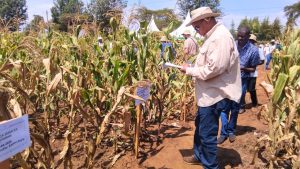
Governor Joshua Irungu said the engagement had created a unified platform for translating policy into action, noting that it brought together stakeholders, align priorities, and strengthens coordination needed to effectively implement agroecology initiatives across the county.

By Fatuma Rashid
A renewed push for sustainable agriculture in Laikipia County is expected to deliver long-term benefits for farmers and ecosystems alike, following a high-level policy session that reinforced collaboration and actionable frameworks.
The executive capacity building forum, held in Nanyuki, brought together county leadership and development partners to align on the implementation of the Agroecology Policy and Bill, with a focus on scaling sustainable farming practices across the region.
The meeting convened stakeholders including BIBA Kenya, Biovision Africa Trust and Digital Green, alongside County Executive Committee members and technical officers in agriculture, signalling a coordinated approach to policy rollout.
Governor Joshua Irungu said the engagement had created a unified platform for translating policy into action, noting that it brought together stakeholders, align priorities, and strengthens coordination needed to effectively implement agroecology initiatives across the county.
“This process strengthens how we work together to deliver sustainable agriculture that directly benefits our farmers and environment,” he noted, adding that stronger partnerships and coordinated implementation will be key to improving productivity, resilience, and long-term food security across Laikipia County.

Agroecology, widely defined as an integrated approach that applies ecological and social principles to farming systems, seeks to optimise interactions between crops, livestock, people and the environment while promoting equitable food systems.
Experts note that the approach goes beyond conventional agriculture by combining scientific knowledge with traditional farming practices, reducing reliance on external inputs such as synthetic fertilisers while enhancing soil health, biodiversity and resilience to climate change.
During the session, partners signed Memoranda of Understanding to formalise collaboration frameworks, a move expected to accelerate knowledge transfer, farmer training and the adoption of context-specific agroecological practices tailored to local conditions.
The forum also underscored the role of agroecology in strengthening food systems by linking producers, consumers and institutions, while promoting sustainable diets and rural development through inclusive value chains.
According to global frameworks, agroecology supports long-term productivity by enhancing natural processes such as nutrient recycling and biodiversity, while reducing environmental degradation and improving resilience of farming communities.
Governor Irungu added that the county would prioritise coordinated implementation and stakeholder alignment to ensure tangible outcomes, stating that the initiative marked a critical step in building resilient food systems for current and future generations.
About The Author