Wandayi Breaks Silence On Stabex In G-to-G Fuel Deal
By Staff Reporter
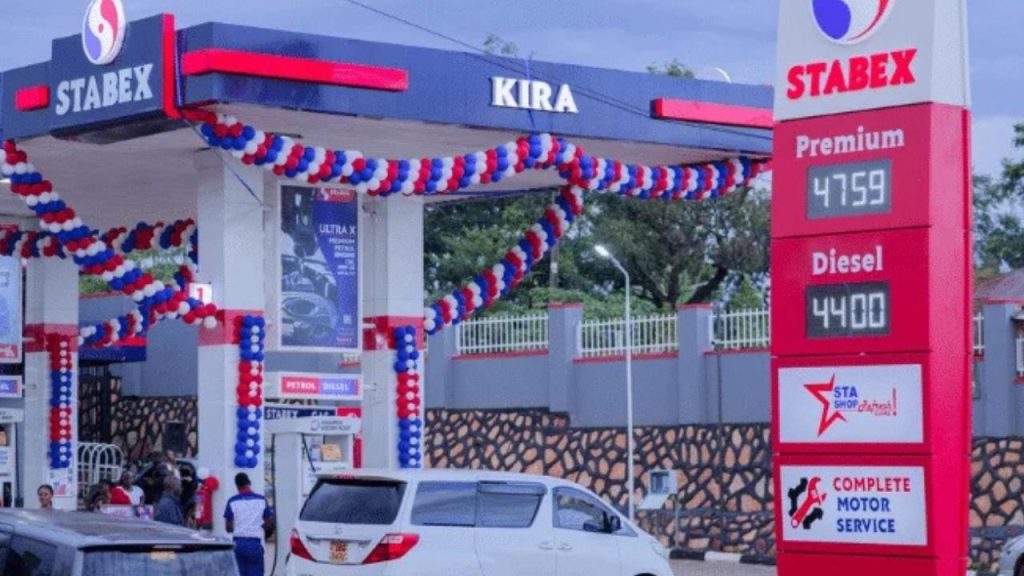
The Ministry of Energy and Petroleum has clarified that Stabex International is not among oil marketing companies nominated under the international oil firms participating in the government-to-government fuel import framework, distancing the company from the current supply system amid scrutiny over pricing anomalies.
In a statement issued on April 5, Energy Cabinet Secretary Opiyo Wandayi said the clarification was necessary to address growing public concern and misinformation surrounding recent petroleum shipments and procurement processes.
The ministry stated that the government remains in control of the situation despite recent developments, including the resignation of several senior officials within the energy sector. Authorities confirmed that a second fuel cargo linked to the ongoing investigations was halted once additional details emerged, a move officials say was intended to safeguard public interest.
“We have noted with concern a campaign of disinformation orchestrated by a section of political leaders over this unfortunate situation,” Wandayi said, signaling heightened tensions around the issue.
Data released by the ministry shows significant price differences between two March petrol shipments. Invoices indicate that fuel supplied by One Petroleum under the MT Paloma cargo landed in Mombasa at KSh 198,855 per metric ton, while a separate shipment under the G-to-G framework by Gulf Energy aboard MT FOS Mercury was priced at KSh 140,111 per metric ton.
The variance of KSh 58,744 per metric ton translates to approximately KSh 43.4 per litre, with the G-to-G cargo being cheaper. Both shipments were delivered within the same month, intensifying questions about pricing consistency and procurement transparency.
The ministry reiterated that Stabex International is not part of the G-to-G arrangement, which involves selected international oil companies working directly with the Kenyan government to stabilize supply and shield consumers from global market shocks.
Wandayi emphasized that the government would not tolerate exploitation within the sector. “There will be no tolerance for cartels, profiteers, or extortionists seeking to exploit the uncertainty arising from the conflict in the Middle East for personal gain at the expense of the public,” he said.
Officials also sought to reassure the public that the country has sufficient petroleum stocks to meet current demand and that the G-to-G framework remains stable despite external pressures linked to geopolitical tensions in the Gulf region.
An internal review of petroleum supply chain systems is underway, aimed at strengthening oversight, improving transparency, and ensuring product quality. The ministry said it is working closely with relevant agencies to maintain operational stability as investigations continue.
The government has urged patience from the public, noting that independent and professional inquiries are ongoing and that further updates will be provided as the review progresses.
About The Author