Weatherman Forecasts Uneven April Rains As Flood, Drought Risks Emerge
Meanwhile, near- to below-average temperatures are expected across the Highlands, the Lake Victoria Basin, and the Rift Valley, conditions that could influence crop growth cycles and disease patterns.
By Suleiman Mbatiah
The Kenya Meteorological Department (KMD) has projected uneven rainfall and temperature patterns for April 2026, warning of heightened flood risks in some regions and reduced rainfall in others during the long rains peak.
According to the official outlook, near-average rainfall is expected across the Highlands East and West of the Rift Valley, the Lake Victoria Basin, the Rift Valley, and parts of north-western Kenya.
“April marks the peak of the long rains season, and while many areas will receive near-average rainfall, significant regional variations could trigger both flooding and moisture stress,” said Edward Muriuki, Acting Director of KMD.
Above-average rainfall is forecast in parts of north-eastern Kenya, particularly northern Marsabit, Wajir, and Mandera counties, raising the likelihood of localized flooding and disruption to transport and livelihoods.
In contrast, most areas in the South-Eastern Lowlands are expected to record near- to below-average rainfall, while the Coastal region is likely to experience below-average precipitation throughout April.
Isolated areas in the Highlands East of the Rift Valley and sections of north-western and north-eastern Kenya are also projected to receive below-normal rainfall, potentially affecting crop performance and water availability.
Rainfall distribution across the country is expected to be uneven, with depressed amounts during the first half of April followed by enhanced rainfall towards the end of the month.
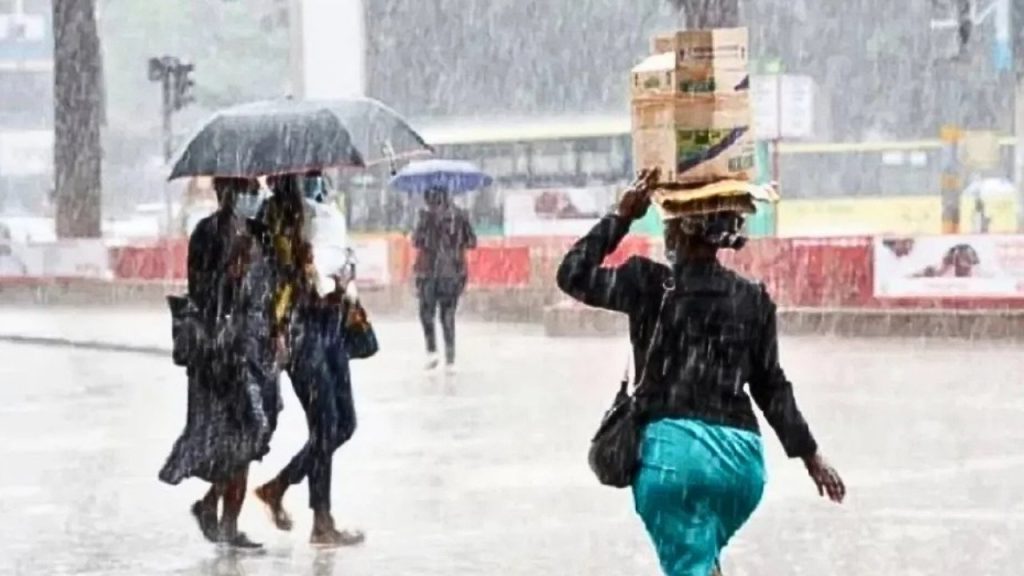
Afternoon and evening thunderstorms are likely in many regions, increasing the risk of flash floods, particularly in urban centers and low-lying areas with poor drainage infrastructure.
Temperature projections indicate warmer-than-average conditions over the Coastal, north-eastern, and north-western regions, which may intensify evaporation rates and water demand in already dry areas.
Meanwhile, near- to below-average temperatures are expected across the Highlands, the Lake Victoria Basin, and the Rift Valley, conditions that could influence crop growth cycles and disease patterns.
Farmers in high-potential agricultural zones have been advised to strengthen drainage systems to prevent waterlogging, which could damage crops and reduce yields during periods of heavy rainfall.
“Communities in flood-prone areas should clear drainage channels early and remain vigilant, as short bursts of intense rainfall can quickly overwhelm rivers and urban drainage systems,” Muriuki said.
Residents living near rivers and in low-lying areas have also been urged to exercise caution, especially during periods of sustained rainfall or intense storms later in the month.
In arid and semi-arid lands, particularly the South-Eastern Lowlands and Coastal regions, authorities are advising continued water harvesting and efficient soil moisture conservation practices.
Experts warn that uneven rainfall patterns could exacerbate existing vulnerabilities in these regions, where communities already face limited water resources and high climate variability.
The outlook further highlights risks of soil erosion and landslides in areas with steep terrain, especially where vegetation cover is limited or soils are already saturated.
County governments and disaster response agencies have been urged to enhance preparedness measures, including early warning systems and rapid response mechanisms for weather-related emergencies.
“Preparedness and timely response will be critical this April, as enhanced rainfall later in the month could increase risks of floods, landslides, and infrastructure damage,” Muriuki said.
April is a critical month in Kenya’s agricultural calendar, as it typically represents the peak of the March to May long rains season that supports food production and water resource replenishment.
Variability in rainfall and temperature during this period often has far-reaching implications for food security, livestock health, and overall economic stability across multiple regions.
The KMD has called on the public and sector stakeholders to regularly consult updates and advisories even as authorities emphasize that timely access to weather information and adherence to advisories.
About The Author