Ruto Calls For Shift From Aid Dependency To Investment-Driven African Economy
The President also linked Africa’s economic transformation to partnerships that strengthen local capacity rather than relationships centered solely on external support.
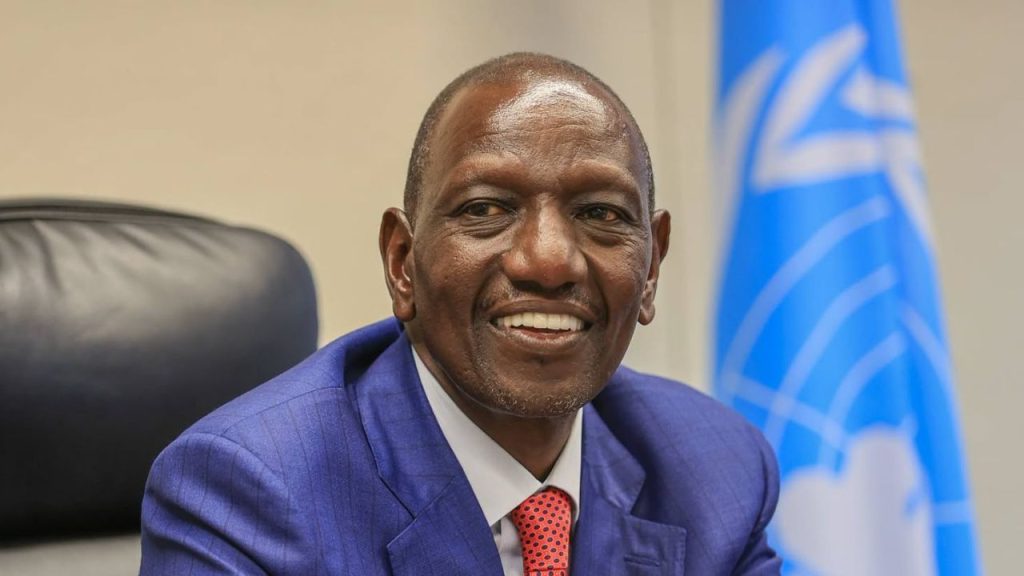
By Suleiman Mbatiah
President William Ruto has called for a shift in Africa’s economic relationship with the rest of the world from aid and dependency towards investment, partnerships and shared prosperity.
Speaking during the ECAM Council Summit on the sidelines of the 81st session of the United Nations General Assembly in New York earlier today, Ruto said Africa should have a greater role in shaping the global economy rather than waiting to benefit from decisions made elsewhere.
Ruto said Africa should increasingly be viewed as an investment destination and growth market, citing its young population, expanding cities, growing digital connectivity and rising consumer market as sources of economic opportunity.
He said the continent also has significant opportunities in infrastructure, health, agriculture, energy, manufacturing and technology.
The President said the decline in development assistance should prompt African countries and their international partners to rethink the basis of economic cooperation.
“Development assistance is shrinking. Some see a crisis. I see a clarifying moment,” Ruto said.
He said future economic relationships should be based on investment and partnership rather than dependence on aid, while ensuring that African economies benefit from the resulting growth.
Ruto said Kenya was ready to attract investment based on its geographical position, infrastructure, human capital, financial system and connectivity, which he described as factors supporting its role as a gateway to East Africa and the wider African market.
He said Kenya was seeking investors willing to transfer technology, develop skills and establish industries capable of creating lasting economic value.
The President also linked Africa’s economic transformation to partnerships that strengthen local capacity rather than relationships centered solely on external support.
He said the partnerships Africa seeks should create jobs, facilitate technology transfer and strengthen African institutions while contributing to shared prosperity.
“Africa will not merely participate in tomorrow’s economy. Africa will help design it,” Ruto said.
About The Author