KNH Defends Cutting Of Acacia Trees After Marabou Stork Outcry
The birds have already been displaced from several traditional nesting sites, including areas around Nyayo Stadium, sections of the Mombasa Road corridor because of the Nairobi Expressway, and parts of the central business district.
By Our Correspondent
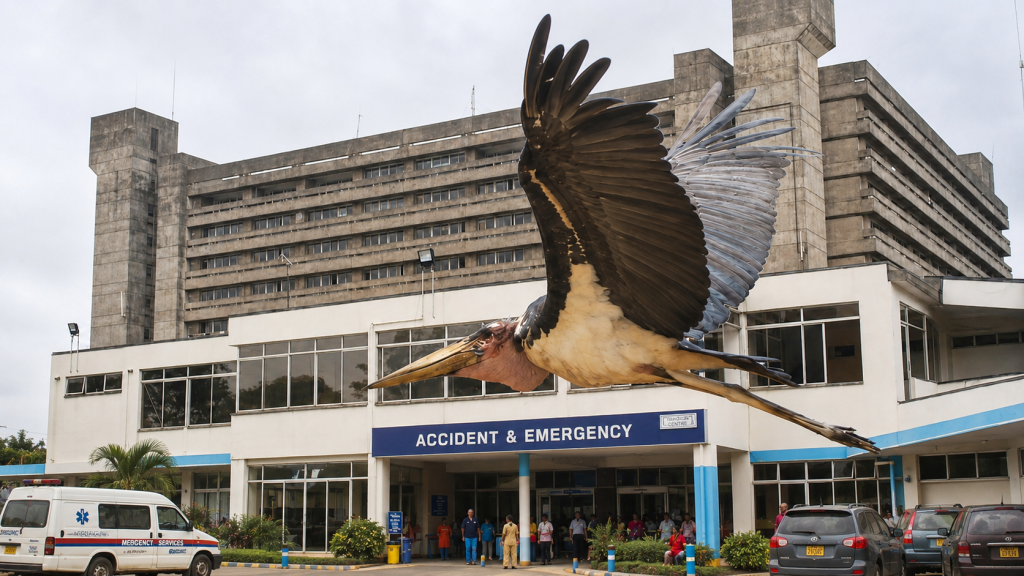
Kenyatta National Hospital has defended its decision to remove several mature African acacia trees from its grounds, saying they posed a serious safety risk to patients, staff, visitors, property and the marabou storks nesting in them.
The hospital was reacting to a public concern grew and images circulated on social media showing displaced and injured marabou storks, along with several dead birds, following the tree cutting earlier this week.
KNH Chief Executive Officer Dr Richard Lesiyampe said the trees were removed as a preventive safety measure after a technical assessment and ahead of the rainy season.
“The affected African acacia trees, which were over 30 years old, had become aged and decayed, resulting in the frequent falling of branches and posing a significant safety risk,” Lesiyampe said.
He said falling trees and branches had previously damaged steam pipes and parked vehicles, created other safety hazards, and led to the deaths of some birds nesting at the hospital.
Lesiyampe said KNH was working with relevant government agencies to protect the affected storks and relocate them where necessary. The hospital did not name the agencies involved or give details of the proposed relocation.
KNH said it regretted the disruption to the birds’ habitat and would carry out a tree replacement programme. It said suitable tree species would be planted in appropriate locations across the hospital grounds.
The felling has raised questions about whether environmental and wildlife assessments were done before the work began, particularly because marabou storks have nested at the hospital for decades.
Marabou storks have been a familiar, if sometimes controversial, presence in Nairobi for decades. As scavengers, they play an ecological role by clearing organic waste. But their size, noise and droppings have often brought them into conflict with urban development.
The birds have already been displaced from several traditional nesting sites, including areas around Nyayo Stadium, sections of the Mombasa Road corridor because of the Nairobi Expressway, and parts of the central business district.
About The Author