How Nakuru Riders Will Own Motorcycles With Just Sh189 A Day
The first phase of the programme targets the distribution of 430 motorcycles through a revolving fund model, with county officials hoping the scheme will eventually expand to benefit thousands of riders across the county.
By Suleiman Mbatiah
Bodaboda riders in Nakuru County will soon be able to acquire motorcycles through a county-backed financing programme that requires a deposit of as little as Sh10,000 and daily repayments spread over more than two years.
The Sh60 million initiative by Governor Susan Kihika is designed to make motorcycle ownership more accessible to riders who have struggled to secure financing from commercial lenders due to high deposits, expensive loan terms and stringent qualification requirements.
The first phase of the programme targets the distribution of 430 motorcycles through a revolving fund model, with county officials hoping the scheme will eventually expand to benefit thousands of riders across the county.
What riders will pay
The programme offers two financing options: electric motorcycles and conventional fuel-powered motorcycles.
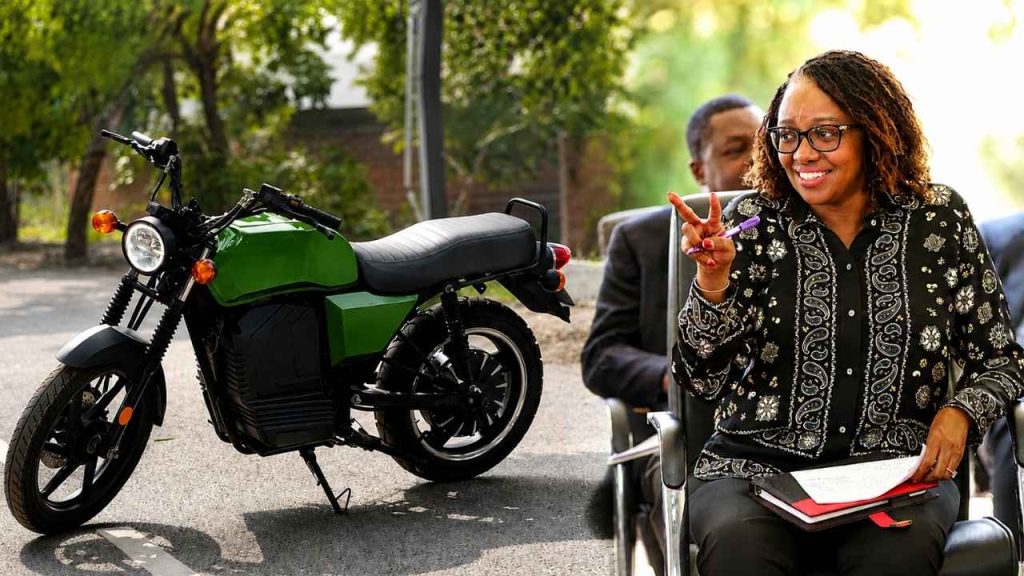
Riders opting for electric motorcycles will be required to pay an initial deposit of Sh10,000. The amount covers insurance and protective riding gear. After the deposit, beneficiaries will make daily repayments of Sh189 for 26 months before taking full ownership of the motorcycle.
Those choosing petrol-powered motorcycles will pay a slightly higher deposit of Sh12,000 and thereafter remit Sh242 daily for a period of 24 months.
According to Governor Kihika, riders will not be restricted to the minimum daily payments and can increase their remittances whenever they are able, allowing them to clear their balances earlier.
“Our Lipa Pole plan is structured to remain flexible, allowing riders to operate sustainably while gradually acquiring full ownership through manageable daily payments,” said Kihika at a meeting with bodaboda officials from across the county.
Why the county is promoting electric motorcycles
The electric motorcycles are at the centre of the programme because they offer lower operating costs compared to conventional motorcycles.
The Governor noted that rising fuel prices continue to reduce riders’ earnings, making electric mobility a more affordable alternative. Electric motorcycles require charging rather than daily fuel purchases, helping operators retain more of their income.
The Governor had initially planned to require a Sh5,000 deposit for electric motorcycles when the project was first conceived. However, global price increases have significantly raised acquisition costs.
Notably, electric motorcycles that previously retailed at about Sh95,000 now cost approximately Sh130,000, forcing the county to revise the deposit requirement to Sh10,000.
How the revolving fund will operate
The programme is structured as a revolving fund, meaning repayments from current beneficiaries will be used to finance additional motorcycles for new riders.
The Governor believes strong repayment performance will allow the fund to grow steadily, enabling wider distribution without requiring substantial additional allocations from taxpayers.
She said the county will closely monitor the first batch of beneficiaries before scaling up the initiative.
If repayment rates remain high, she said, the programme could eventually distribute up to 300 motorcycles every month.
Additional support for riders
The motorcycle financing programme is expected to be accompanied by other interventions targeting the bodaboda sector.
Among the projects planned by the county government are the construction of bodaboda sheds at designated stages and the expansion of street lighting in trading centres and urban areas.
The county boss says the measures are intended to improve working conditions, enhance rider safety and provide better protection for passengers, particularly during early morning and night operations.
Why riders are welcoming the programme
Bodaboda leaders say access to affordable financing remains one of the sector’s biggest challenges.
Many riders acquire motorcycles through commercial financing arrangements that require large deposits and attract daily repayment schedules that consume a significant portion of their earnings.
County bodaboda riders’ spokesperson and electric mobility advocate Stephen Mwanda said the new model could help address longstanding concerns raised by operators.
“The idea is long overdue, and riders are ready for a system that allows them to clear payments within reasonable timelines while maintaining stable incomes,” said Mwanda.
He noted that riders continue to face pressure from rising fuel costs, which have increased operating expenses and reduced daily profits.
Part of a wider youth empowerment agenda
The administration views the bodaboda sector as a key source of employment for young people and an important contributor to the local economy.
KCB General Manager David Nyamu said the programme is intended not only to improve mobility but also to help riders build assets, increase incomes and create sustainable livelihoods, in line wiht the bank’s mandate of building a better financial future.
If successful, it could become one of the largest county-backed motorcycle financing schemes in the region.
About The Author