Kihika Pushes Low-Cost Electric Motorbike Plan For Nakuru Riders
Under the plan, a new electric motorcycle will cost Sh85,000 in cash, significantly below prevailing market prices where comparable models currently operating in the country retail between Sh150,000 and Sh200,000 for cash purchase.
By Suleiman Mbatiah
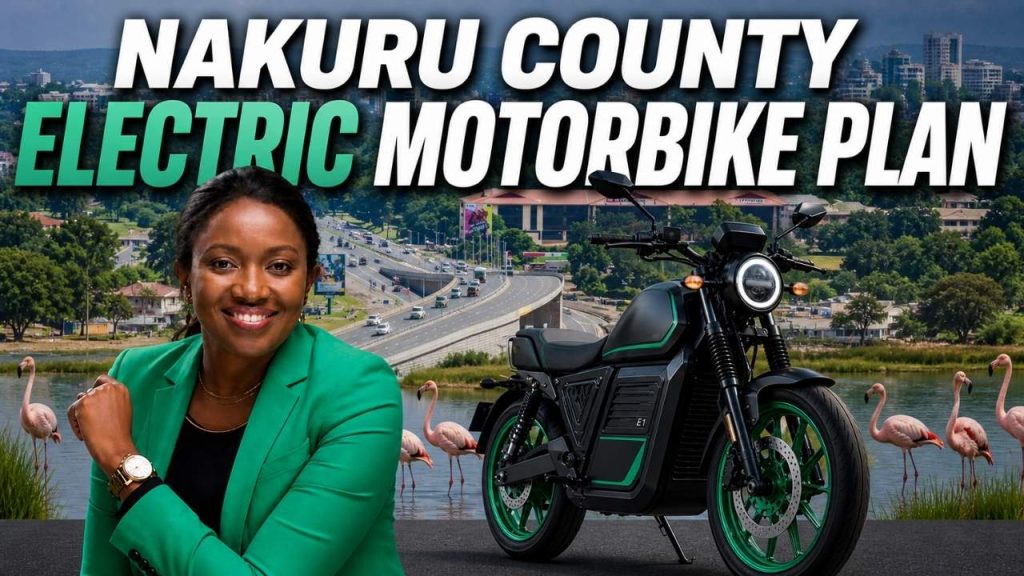
In a practical move to empower youth in the bodaboda sector, Governor Susan Kihika has announced an ambitious plan to enable riders acquire affordable electric motorcycles across Nakuru County.
The Governor said the bodaboda empowerment initiative comes amid a global fuel supply strain linked to the ongoing Iran–Israel conflict, positioning electric mobility as a timely, cost-stable alternative for riders.
Under the plan, a new electric motorcycle will cost Sh85,000 in cash, significantly below prevailing market prices where comparable models currently operating in the country retail between Sh150,000 and Sh200,000 for cash purchase.
The proposal further lowers entry barriers, requiring riders to raise only Sh5,000 as an initial commitment, compared to existing market arrangements where deposits typically average about Sh25,000 and funded by ‘unfriendly’ creditors.
Daily operating costs also reflect a sharp reduction, with riders expected to remit about Sh180 per day under the county plan, compared to prevailing charges ranging between Sh300 and Sh500 per day for 18 months.
Speaking in Gilgil, the Governor said the revised structure is designed to ease financial pressure on riders while accelerating ownership, drawing positive reactions from operators who attended a bursary issuance event.
Comparatively, she said, the county-backed model presents a lower acquisition cost, reduced upfront payment, and significantly lighter daily repayment burden, creating a more accessible and faster pathway to full ownership.
Kihika said her administration recognises the bodaboda sector as a key driver of small and medium enterprises, supporting livelihoods and sustaining local economic activity across urban and rural areas.
“Our ‘Lipa Pole plan is structured to remain flexible, allowing riders to operate sustainably while gradually acquiring full ownership through manageable daily payments,” the Governor said.
The programme is anchored within the Sh100 million Wezesha Fund and Sh30 million Boda Boda Revolving Fund, which will extend affordable credit to individual youth and groups in need to purchase the electric motorcycles.
Electric mobility advocate Stephen Mwanda said current commercial financing models remain restrictive, citing high deposits, steep daily payments, costly spare parts, and limited charging infrastructure as persistent barriers.
“The idea is long overdue, and riders are ready for a system that allows them to clear payments within reasonable timelines while maintaining stable incomes,” said Mwanda, who is also the county bodaboda riders’ spokesperson.
He said bodaboda operators have raised persistent concerns over steadily rising fuel costs, saying the increases are eating into daily earnings, raising operating expenses, and threatening the sustainability of their businesses.
The Governor indicated that the programme will be scaled progressively to reach more beneficiaries, with parallel investments in support infrastructure such as spares and charging stations to strengthen adoption and long-term sustainability.
About The Author