Counties Win Big In 2026/27 Budget
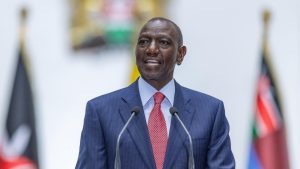
Mbadi said the increase reflects the government’s determination to strengthen devolution and support county governments in fulfilling their constitutional mandates.
By Suleiman Mbatiah
County governments are set to receive their highest funding allocation yet under the 2026/27 budget, with the National Treasury increasing transfers to KSh 502 billion in a move aimed at strengthening healthcare, infrastructure, and service delivery across the country.
The increased allocation underscores the government’s continued commitment to devolution, with county funding rising steadily since the Kenya Kwanza administration took office.
Treasury Cabinet Secretary John Mbadi said the enhanced transfers are intended to ensure counties have sufficient resources to deliver essential services while accelerating local development programmes.
According to the budget statement presented in the National Assembly on Thursday, the equitable share allocated to counties will rise to KSh 428 billion in the 2026/27 financial year, up from KSh 370 billion in the 2022/23 budget. Total county allocations, including additional funding from the national government and development partners, will reach KSh 502 billion.
Mbadi said the increase reflects the government’s determination to strengthen devolution and support county governments in fulfilling their constitutional mandates.
“Since 2022, funding to County Governments has steadily increased, with the Equitable Share to Counties increasing from KSh 370.0 billion in the FY 2022/23 budget to KSh 428.0 billion in the FY 2026/27 budget,” Mbadi told Parliament.
The Treasury estimates that counties will receive KSh 444.6 billion through shareable revenue and additional allocations from the national government. A further KSh 57.4 billion is expected from loans and grants provided by development partners to support various county projects and programmes.
The increased funding comes at a time when county governments continue to shoulder responsibility for critical sectors including healthcare, agriculture, water services, trade development, and local infrastructure. Officials believe the additional resources will help improve service delivery and expand access to essential public services at the grassroots level.
Mbadi said the government remains committed to supporting devolution through predictable and timely fiscal transfers in line with constitutional requirements. He noted that the KSh 428 billion equitable share represents 21 percent of the most recently audited national revenue, significantly above the constitutional minimum threshold of 15 percent.
The Treasury also announced plans to streamline the approval and disbursement of additional county allocations. Proposed amendments to the Public Finance Management Act are expected to create separate legislation for national government additional allocations and donor-funded county grants, a move aimed at reducing delays that have previously affected county financing.
In addition to county allocations, the government has proposed KSh 10.3 billion for the Equalisation Fund to support development projects in marginalized areas. The fund is expected to finance infrastructure and social programmes in regions that have historically lagged behind in access to public services.
While welcoming the increased allocations, the Treasury acknowledged persistent challenges facing county governments, particularly the growing stock of pending bills. Counties reported outstanding pending bills amounting to KSh 183 billion as of June 30, 2025, raising concerns over delayed payments to suppliers and contractors.
Mbadi urged county administrations to implement agreed action plans aimed at reducing pending bills and improving financial management.
“I therefore, propose to allocate KSh 428.0 billion in equitable share which shall be transferred to the respective County Governments as per the Fourth Basis formula during FY 2026/27,” he said.
The increased county funding forms part of the government’s broader Bottom-Up Economic Transformation Agenda, which seeks to promote inclusive growth, improve livelihoods, and expand access to public services while maintaining fiscal sustainability.
Analysts say the record allocation will be critical in determining service delivery and development outcomes during the 2026/27 financial year, particularly for millions of Kenyans who rely on county governments for healthcare, agricultural extension services, water projects, and local infrastructure.
About The Author