Pharmacists Warned Against Sharing Suspected Ebola Patients’ Details
By Suleiman Mbatiah
The Pharmaceutical Society of Kenya (PSK) has warned pharmacy teams against disclosing the identities, photographs, travel details or unverified information of suspected Ebola patients as Kenya steps up vigilance following confirmation of an imported case of Bundibugyo Ebola Virus Disease.
In an advisory issued Wednesday, the society reminded pharmacists and other pharmacy staff to maintain patient confidentiality and avoid circulating information about suspected cases on social media.
“Patient confidentiality must be maintained. Names, photographs, travel details or unverified information regarding suspected cases should not be circulated on social media,” PSK President Dr Wairimu Mbogo said.
The warning comes after the Ministry of Health confirmed Kenya’s first imported case of Bundibugyo Ebola Virus Disease, prompting the society to call for heightened vigilance in pharmacies and other patient-facing pharmaceutical care settings.
Pharmacies are among the most accessible points of contact with the health system, with patients experiencing early symptoms potentially seeking advice, treatment or medicines before reaching hospitals and other health facilities.
PSK urged pharmacy teams to be prepared to recognize potential cases, protect themselves and other patients, and activate appropriate referral and public-health pathways.
The society advised pharmacists to maintain a high index of suspicion among patients presenting with fever or a history of fever, marked weakness or fatigue, chills, muscle pain, sore throat or other concerning symptoms.
Where clinically appropriate, pharmacists should establish relevant recent travel and exposure or contact histories early.
The advisory emphasized that pharmacies should not attempt to routinely manage suspected Ebola cases.
Instead, pharmacists should separate suspected patients from others as far as practicable and activate the appropriate referral pathway.
The society also cautioned against directing potentially infectious patients to move independently between pharmacies or health facilities.
PSK urged pharmacy teams to minimize unnecessary contact with suspected cases and avoid procedures such as unnecessary physical examinations, injections and other invasive procedures.
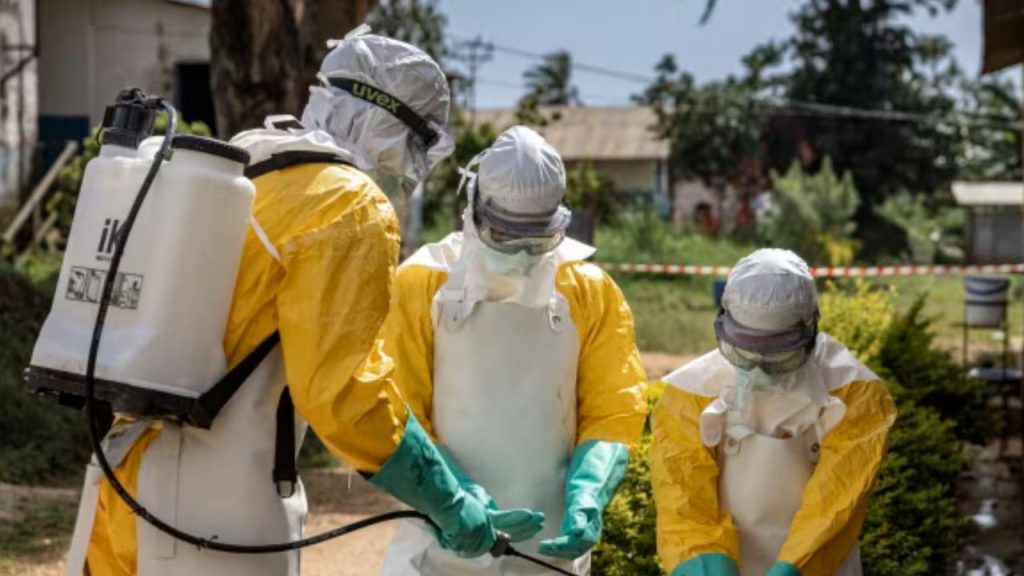
It recommended strict hand hygiene, appropriate personal protective equipment, environmental cleaning, safe waste handling and other infection-prevention and control measures.
The guidance applies to all personnel working in pharmacy settings, including pharmaceutical technologists, administrative staff and support teams.
“Do not panic, but do not dismiss,” the society said, urging pharmacy teams to remain vigilant while responding appropriately to suspected cases.
It further instructed pharmacists to promptly engage appropriate public-health and surveillance channels in accordance with Ministry of Health guidance.
Dr Wairimu also urged pharmacists to provide leadership within their workplaces by ensuring that all members of the pharmacy care team understand what to do if a suspected case presents.
“As medicines experts and highly accessible healthcare professionals, pharmacists have an important role in Kenya’s frontline health-security response,” she said.
She said professional leadership, early recognition, appropriate infection prevention, timely referral and responsible communication can help protect patients, healthcare workers and communities.
The PSK boss said the measures are intended to strengthen early recognition and referral while protecting patients, pharmacy workers and the wider community during the Ebola response.
About The Author