Indigenous Seed Advocates Push For Sweeping Reforms In Proposed Plant And Seeds Bill 2026

By Elijah Cherutich
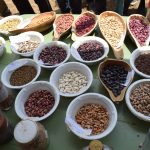
Indigenous seed advocates are seeking far-reaching changes to the proposed Plant and Seeds Bill 2026, warning that decades of emphasis on commercial seed varieties have weakened traditional food systems and threatened the survival of resilient community-managed seeds across the country.
The push comes as farmers, researchers, conservationists and civil society groups intensify consultations on the proposed legislation, which seeks to review Kenya’s seed regulatory framework and formally recognize farmer-managed seed systems that have historically operated outside the mainstream seed sector.
Speaking at the Seed Savers Network offices in Gilgil, founder and coordinator Dr. Daniel Wanjama said Kenya’s food systems have faced increasing pressure as policy and investment have largely focused on certified commercial seeds while overlooking indigenous varieties that have sustained communities for generations.
According to Wanjama, indigenous seeds remain critical for food security because they are adapted to local climatic conditions, require fewer external inputs, and offer farmers greater resilience during droughts and other weather-related shocks.
He said stakeholder engagement around the proposed law is aimed at ensuring indigenous seed custodians, community seed banks and small-scale seed traders are protected from legal barriers that have historically limited their operations.
“We have had very good discussions for the last few days with farmer representatives from across the country on these new provisions. We want to actively engage in the lawmaking process,” he said.
The proposed reforms follow a landmark court victory for smallholder farmers in 2025, when the High Court declared unconstitutional sections of the Seeds and Plant Varieties Act that criminalized the sharing, selling and exchange of uncertified indigenous seeds. The ruling was widely viewed as a major step toward recognizing farmer-managed seed systems and protecting traditional agricultural practices.
Wanjama welcomed government efforts to integrate farmer-managed seed systems into the new legal framework, saying the move reflects lessons drawn from both the court ruling and years of advocacy by farming communities.
He noted that several observations made by the court in last year’s judgment have already been incorporated into the current proposals under consideration.
“What we are doing is integrating farmers in the seed sector so that they can share benefits associated with in the seed sector even for the small seed traders, community seed banks etc,” he said.
Advocates argue that the reforms would help bridge the gap between the formal seed industry and the informal seed systems relied upon by millions of smallholder farmers. Studies and policy reviews have consistently shown that farmer-managed seed systems remain a major source of planting materials in rural areas, particularly for traditional crops and climate-resilient varieties.
Wanjama said Kenya currently has 124 community seed banks that play a central role in preserving crop diversity, safeguarding indigenous knowledge and ensuring farmers have access to locally adapted seed varieties.
The community seed banks have become increasingly important as climate change exposes farmers to erratic rainfall, prolonged droughts and emerging pests and diseases. Indigenous seed varieties are often valued for their ability to withstand harsh conditions and maintain production where some commercial varieties struggle.
Nyamongo Deysterio of the Genetic Resources Research Institute, one of the semi-autonomous institutes under the Kenya Agricultural and Livestock Research Organization (KALRO), said conserving the genetic diversity contained in indigenous seeds remains a key national priority.
He said the institute works closely with farmers, researchers and conservation organizations to preserve local crop varieties and ensure they remain available for future generations.
Nyamongo explained that the review of existing seed laws is intended to create space for the informal seed sector within Kenya’s regulatory framework while maintaining standards necessary for quality assurance and seed health.
He said the informal sector contributes approximately 80 percent of seeds used by farmers and therefore requires legal recognition and clear operational guidelines.
The Genetic Resources Research Institute manages Kenya’s national gene bank, which conserves thousands of seed collections from across the country. The facility has increasingly become an important resource for identifying and reintroducing drought-tolerant and climate-resilient crop varieties to farming communities.
Dr. Martin Oulu, Coordinator of the Intersectoral Forum on Agrobiodiversity and Agroecology, said farmer-managed seed systems continue to play a significant role in strengthening food and nutrition security.
He noted that many indigenous crops preserved through community seed systems provide nutritional benefits while also supporting biodiversity conservation and sustainable farming practices.
“I thank the seedsavers network for mobilising and organising farmers to input on the bill and enrich it towards protecting their seeds,” he said.
Stakeholders involved in the consultations say the outcome of the Plant and Seeds Bill 2026 could have far-reaching implications for food sovereignty, biodiversity conservation and climate resilience in Kenya. They argue that integrating community seed systems into national law would not only protect indigenous seed varieties but also strengthen the role of farmers as custodians of the country’s agricultural heritage.
The indigenous seed advocates further are called on policymakers to ensure the final legislation balances seed quality regulation with the rights of farmers to conserve, exchange and benefit from the seed systems that have supported rural communities for generations.
About The Author