Government Bans Co-Payments, Orders Immediate Reforms In Civil Servants’ Medical Scheme
Central to the reforms is an immediate withdrawal of tariff locking mechanisms within the system, a move authorities say will ease friction at health facilities and prevent additional charges during an interim period pending broader structural adjustments.
By Staff Writer
The government has moved to halt out-of-pocket charges for civil servants under the public medical scheme, ordering an immediate suspension of tariff controls and banning co-payments as part of urgent reforms to stabilize healthcare access. The directive follows mounting complaints over detentions in hospitals and unexpected medical bills.
A joint communiqué by the Ministry of Health, the Social Health Authority, and the Union of Kenya Civil Servants outlines binding resolutions aimed at restoring service delivery under the Public Officers Medical Scheme Fund following recent nationwide disruptions.
Central to the reforms is an immediate withdrawal of tariff locking mechanisms within the system, a move authorities say will ease friction at health facilities and prevent additional charges during an interim period pending broader structural adjustments.
Officials stated that all facilities offering services under the scheme are strictly prohibited from levying any out-of-pocket fees, reinforcing contractual obligations that guarantee full coverage for eligible civil servants and their dependents across accredited providers.
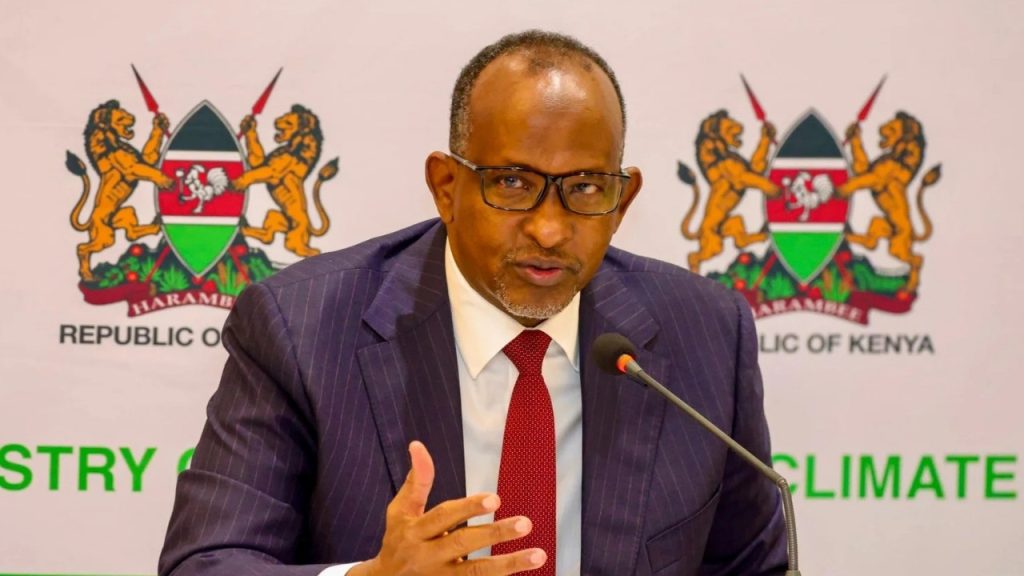
Health Cabinet Secretary Aden Duale said the measures were necessary to restore trust and protect beneficiaries from exploitation, noting that compliance would be enforced through strict oversight mechanisms and contractual penalties for violating institutions.
“We will not tolerate a system where civil servants are detained or forced to pay for services that are already covered,” said Duale, emphasizing that enforcement actions would be swift and decisive against non-compliant facilities.
To address immediate grievances, the parties agreed to establish a joint rapid response desk tasked with securing the unconditional release of any civil servants detained in hospitals and processing claims for refunds of unauthorized medical expenses.
The response team will also conduct a systematic review of claims submitted during the disruption period, ensuring affected individuals are reimbursed for costs incurred outside the agreed framework of the medical scheme.
In parallel, authorities announced the start of nationwide tariff negotiations targeting private and faith-based hospitals from Level 3 to Level 6, with the process expected to run for four weeks to harmonize reimbursement structures.
The negotiations are expected to produce an evidence-based pricing model that balances sustainability for providers with affordability and predictability for the government, while eliminating inconsistencies that have contributed to disputes within the system.
Further reforms include enforcement of a strict “walk-in, walk-out” policy requiring contracted facilities to admit and discharge patients without financial barriers, with any breach classified as a material violation attracting potential decontracting.
Access to services will also be restricted to facilities formally contracted under the scheme, with the Social Health Authority expected to publish and regularly update a comprehensive list of approved providers for transparency and accountability.
SHA Chief Executive Officer Dr Mercy Mwangangi said the agency would intensify audits, utilization reviews, and continuous monitoring to detect fraud, manage costs, and ensure only compliant facilities remain within the network.
“We are strengthening oversight to ensure every contracted facility adheres to clinical standards and negotiated pricing while safeguarding the integrity of the fund,” said Mwangangi, underscoring the need for accountability in service delivery.
The government reaffirmed that medical benefits for civil servants remain unchanged, with outpatient limits exceeding KES 70,000 depending on job groups, alongside existing optical and dental coverage for more than 120,000 principal members and their dependents.
The agreement follows growing concern from civil servants and unions over service interruptions, with officials acknowledging that recent challenges exposed systemic weaknesses that required coordinated national and institutional intervention to restore confidence.
About The Author