Scientists Race To Develop Drought-Resistant Maize As Climate Change Threatens Food Security
CIMMYT and KALRO are testing 725 maize lines in Njoro as breeders seek drought- and disease-resistant varieties for farmers in eastern Africa.
By Elijah Cherutich
Scientists are testing hundreds of maize breeding lines in Njoro as researchers and seed companies intensify efforts to develop varieties capable of withstanding drought, diseases and other effects of a changing climate.
The field trials, conducted by the International Maize and Wheat Improvement Center (CIMMYT) in collaboration with the Kenya Agricultural and Livestock Research Organisation (KALRO), are aimed at identifying maize lines with traits that can help farmers cope with increasingly difficult growing conditions.
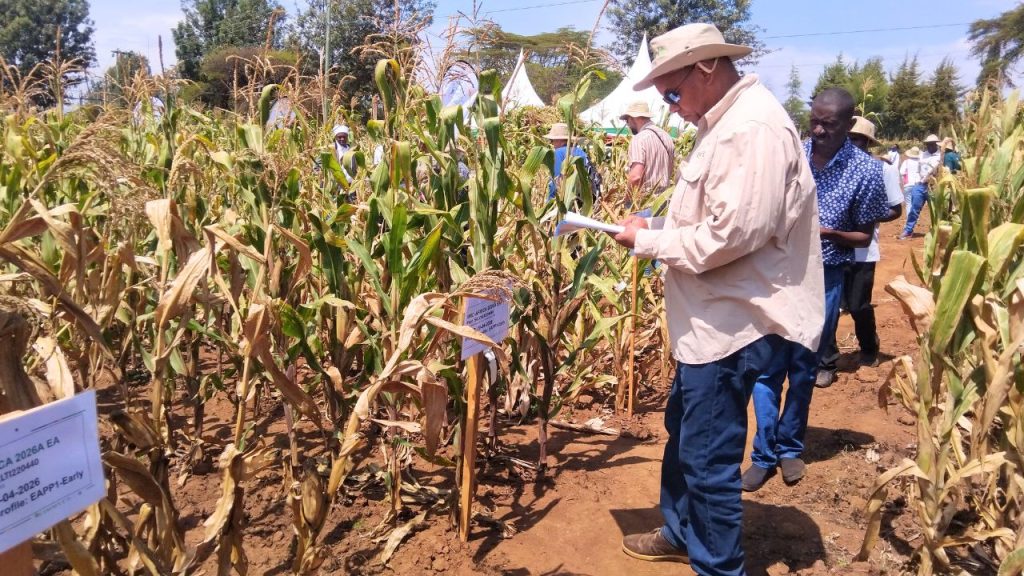
A total of 725 inbred lines have been planted at the KALRO-Njoro research centre for evaluation under conditions that allow breeders to assess their performance against disease and climatic stresses.
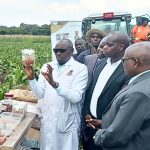
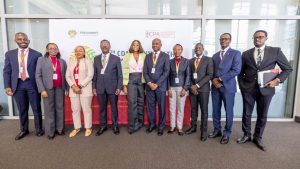
The trials were showcased during the International Maize Improvement Consortium for Africa (IMIC-Africa) Field Day at KALRO-Njoro, which brought together maize breeders and seed companies from across eastern and southern Africa.
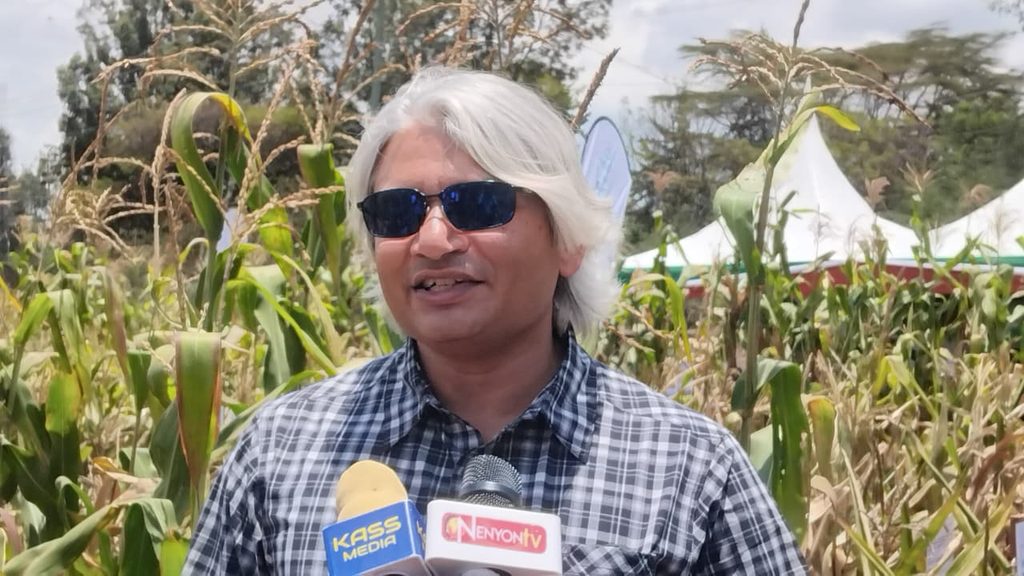
Ashish Saxena, programme director for the Global Maize Program at CIMMYT, said the field day offered seed companies an opportunity to assess promising breeding materials and identify those with potential for their respective markets.
He said researchers had developed new hybrids for eastern Africa as part of efforts to respond to changing conditions in the region’s maize seed sector.
“This year 2026, eastern Africa has a significant amount of drought and you can see how easily when you walk around the 725 inbreed lines, some are collapsing, some are thriving, this is a perfect opportunity for the people to look at and find out what works best for them”, he said.
Saxena said CIMMYT was increasingly using data and analytics to guide breeding programmes aimed at developing hybrids that can perform better under future climate conditions.
Moses Siambi, CIMMYT regional director for Africa, called for increased government investment in agricultural research to accelerate the development of resilient and high-quality planting materials capable of withstanding drought and diseases.
Siambi said investment in agricultural research could also create jobs for young people along the agricultural value chain while improving the availability of seed needed to support food security.
“The materials we are producing, we want the farmer to benefit as much as possible and so research contributes a lot or is the basis for the food security”, he said.
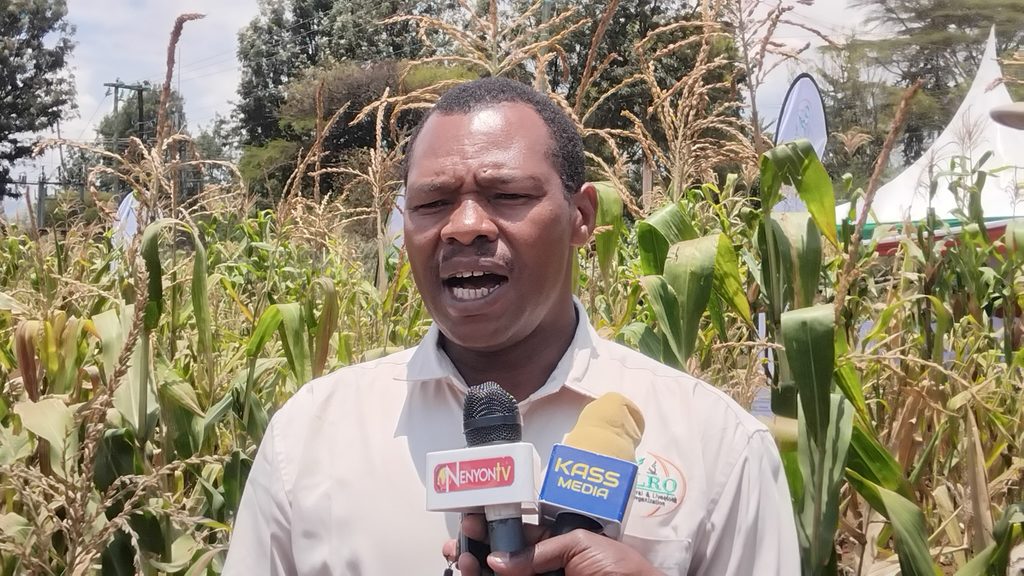
Dr James Karanja, KALRO-Njoro centre manager and senior researcher, said the field day would enable seed companies to select parent seeds for use in developing hybrid varieties for the market.
He said Njoro was suitable for the trials because its climatic conditions provided an environment for testing maize lines for disease and drought tolerance.
“Njoro KALRO is one of the most strategic research centres that takes care of almost all the crop research and that is why you can’t miss out any crop here because of its conducive environment”, he said.
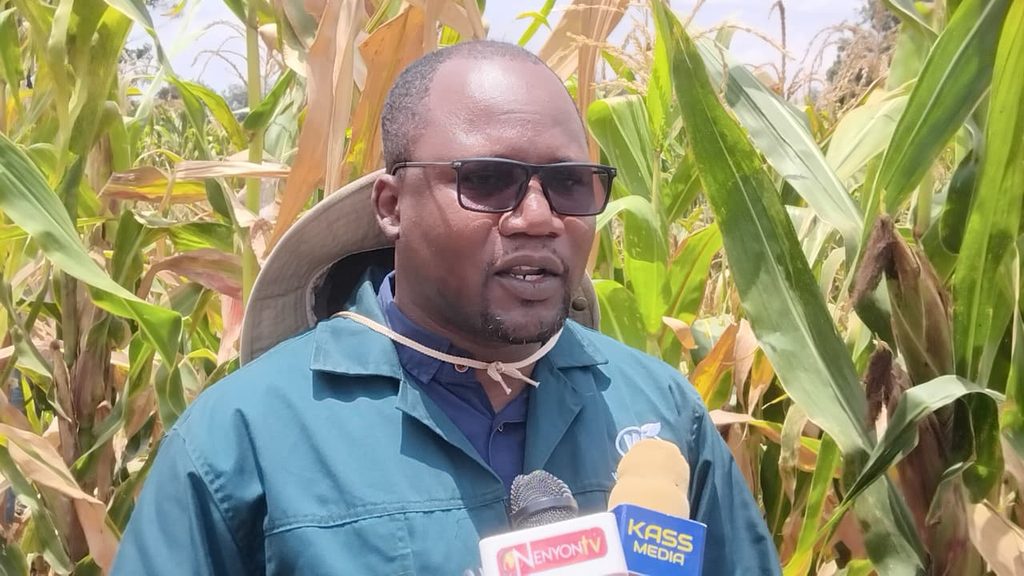
Daniel Wamache, research and development lead at Western Seed Company Ltd, commended CIMMYT breeders for developing the inbred lines and providing seed companies with an opportunity to select materials suited to different agro-ecological zones across eastern Africa.
He said seed companies were working with breeders to respond to farmers’ demand for adequate quantities of quality seed.
“This day is a special day for us because we have had an opportunity to select under high disease pressure unlike the previous where we have been selecting in Kiboko where disease pressure is low”, he said.
The field demonstrations are part of broader efforts by CIMMYT and its partners to strengthen maize breeding and seed systems in Africa. IMIC-Africa, launched in 2018, brings together public and private-sector organisations involved in maize breeding and provides access to breeding materials and evaluation networks for the development of high-quality, locally adapted and stress-resilient maize varieties.
CIMMYT and KALRO have a longstanding partnership in maize research in Kenya, including work aimed at developing higher-yielding, climate-resilient and disease-resistant varieties for farmers.
About The Author