Nakuru Expands Safe Obstetric Surgery Training To Cut Maternal, Newborn Risks
The expansion comes as Nakuru continues to strengthen maternal and newborn care across its health system. The county’s 2025 Health Sector Report shows Nakuru has 515 maternal and newborn care facilities, 284 Basic Emergency Obstetric and Newborn Care facilities and 56 Comprehensive Emergency Obstetric and Newborn Care facilities, which include surgeries and transfusions.
By Staff Writer
Nakuru residents could see fewer preventable maternal and newborn complications as the county strengthens hands-on training for health workers involved in Caesarean Section and other obstetric procedures.
The county is expanding the Obstetric Safe Surgery Programme from five hospitals to ten health facilities, with each facility expected to receive simulation equipment, procedure sets and continued clinical mentorship.
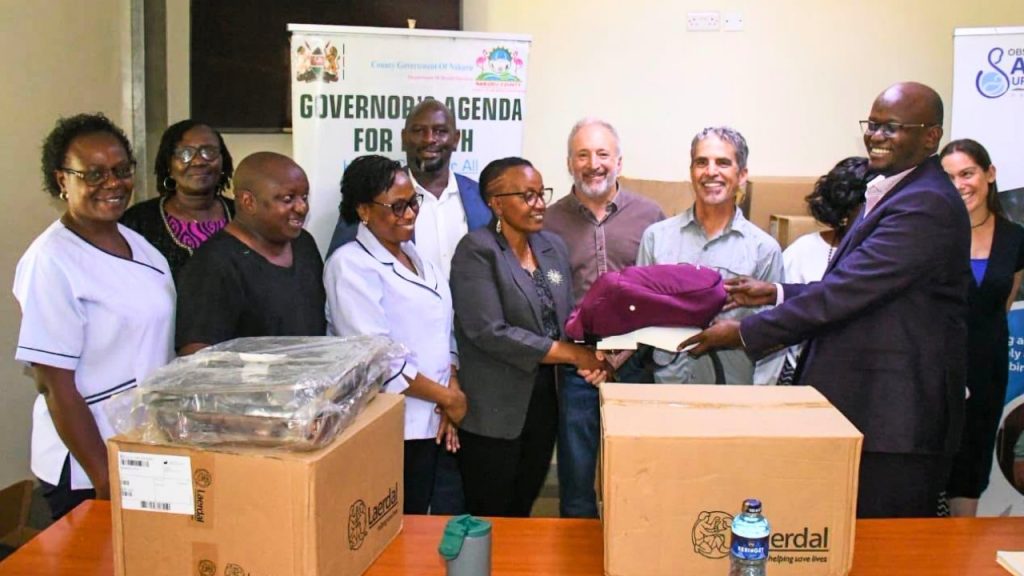
The equipment, donated through a partnership with Jhpiego, includes Caesarean Section birth models and complete procedure sets meant to help health workers practise emergency obstetric procedures before handling patients in theatre.
County health officials say the investment is intended to standardise obstetric surgical skills across facilities, reduce avoidable complications and improve the safety of mothers and newborns who rely on public maternity services.
The expansion comes as Nakuru continues to strengthen maternal and newborn care across its health system. The county’s 2025 Health Sector Report shows Nakuru has 515 maternal and newborn care facilities, 284 Basic Emergency Obstetric and Newborn Care facilities and 56 Comprehensive Emergency Obstetric and Newborn Care facilities, which include surgeries and transfusions.
The report also says the county trained 88 service providers in Emergency Obstetrics and Newborn Care and introduced heat-stable carbetocin to help prevent postpartum haemorrhage, which remains a major cause of maternal deaths.
County Executive Committee Member for Health Services Roselyn Mungai said the new simulation equipment would support long-term improvement in maternity care by allowing health workers to sharpen both technical and team-based skills.
“This support goes beyond equipment. It is an investment in the competence of our healthcare workers and the safety of mothers and newborns,” Mungai said.
She said the support complements county investments in human resources, continuous training and quality improvement, adding that the models will help sustain safer obstetric care across the county.
The Nakuru OSS project is part of a wider safe surgery model supported by the Global Surgery Foundation, Jhpiego and AIC Kijabe Hospital. The project was launched in March 2025 to improve safe, timely and respectful Caesarean Section care for more than 25,000 women giving birth each year in Nakuru County.
Jhpiego says the Nakuru project uses a hub-and-spoke model to strengthen surgical teams, referral networks and data systems, with a target of improving access to safe Caesarean care for nearly 21,000 procedures over three years.
The first phase covered five facilities: Nakuru Provincial Hospital as the hub, and Naivasha District Hospital, Bahati District Hospital, Molo Subcounty Hospital and Gilgil Subcounty Hospital as spokes. The project provides continued training and mentorship for obstetricians, surgeons, anaesthesia providers, nurses, midwives and theatre staff.
The intervention targets a major gap in maternal care. The Global Surgery Foundation says 37 percent of maternal deaths in Kenya are associated with Caesarean Section, while Nakuru’s Caesarean Section rate stands at 22.9 percent across the project facilities.
National data also shows the scale of the challenge. The 2022 Kenya Demographic and Health Survey placed neonatal mortality at 21 deaths per 1,000 live births, infant mortality at 32 deaths per 1,000 live births and under-five mortality at 41 deaths per 1,000 live births.
Maternal mortality estimates for Kenya remain above 350 deaths per 100,000 live births, far above the Sustainable Development Goal target of 70 deaths per 100,000 live births by 2030.
In Nakuru, the county health report shows skilled delivery performance remains below target. Deliveries conducted by skilled attendants stood at 75 percent in 2024/25 against a planned target of 90 percent, with the county citing continued household identification and referral by Community Health Promoters.
The report further identifies staff shortages, demand for blood and blood products, and inadequate skills in midwifery, obstetrics and Emergency Obstetric and Newborn Care as continuing challenges in maternal and neonatal services.
Mungai also commended the OSS implementation team for developing a performance tracking dashboard after her call for stronger programme monitoring.
The dashboard is expected to help the county track progress across participating facilities, support data-driven decisions and improve accountability in maternity care.
About The Author