Dr Kinity Warns Against Youth Violence Ahead Of 2027 Elections
He urged young people to demand accountability from political leaders who encourage demonstrations or confrontational political action, arguing that such leaders should personally participate in the activities they mobilise supporters to undertake.
By Staff Writer
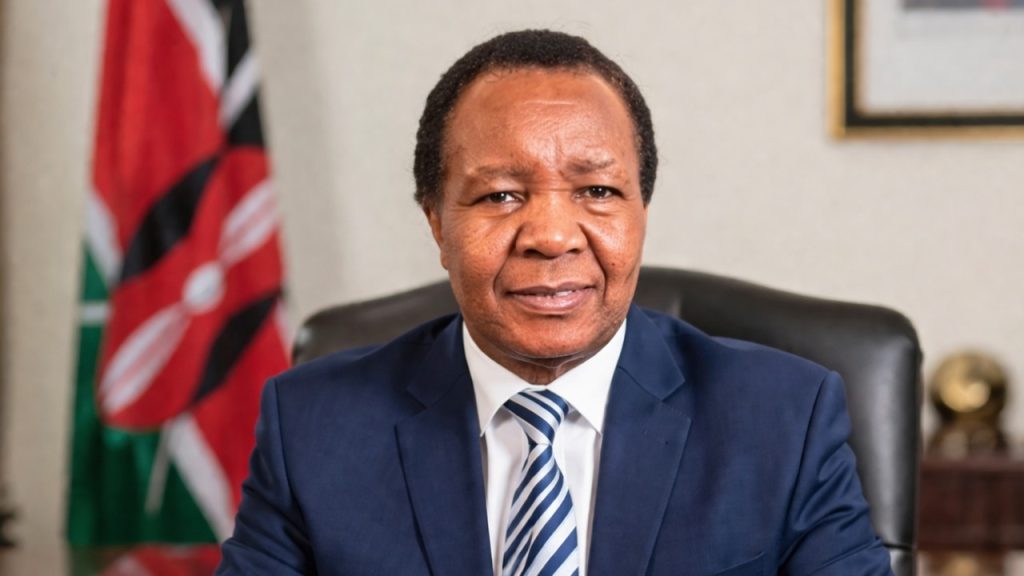
Counsellor and human rights activist Dr Isaac Newton Kinity has warned political leaders against exploiting unemployed and economically vulnerable youths to advance political battles ahead of the 2027 General Election, saying many young people are often manipulated into dangerous confrontations while political elites remain shielded from the consequences.
Dr Kinity said Kenyan youths should not be portrayed as inherently violent, arguing that many demonstrations organised by young people have historically begun peacefully before turning chaotic following heavy-handed responses by security agencies or infiltration by politically sponsored groups seeking to discredit legitimate protests.
He said unemployed youths are frequently targeted by politicians and powerful individuals who take advantage of widespread economic hardship to recruit them into counter-protests, intimidation campaigns and acts of destruction designed to shift public perception against peaceful demonstrators.
“The youth should refuse to be used by politicians to fight political wars that do not improve their lives. Those leaders remain protected together with their families while poor young people are left exposed to violence, arrests, injuries and even death,” Dr Kinity said.
His remarks come amid growing debate over the treatment of protesters in Kenya and the increasing involvement of unemployed youths in politically charged activities during demonstrations and election periods.
Recent protests against the Finance Bill and the high cost of living, including the widely known “sufuria protests,” were largely driven by young Kenyans demanding economic relief, accountability and better governance. Human rights groups, religious leaders and sections of civil society maintained that many of the demonstrations started peacefully before clashes erupted following police intervention, infiltration by organised groups and confrontations in urban centres.
During anti-government demonstrations in Nairobi in March 2023 and subsequent protests in 2024, opposition leaders and rights organisations accused authorities of using excessive force against demonstrators. There were also repeated allegations that some criminal groups and politically mobilised youths were deployed to loot businesses and cause destruction in order to portray peaceful protesters as violent and justify crackdowns on demonstrations.
Critics have argued that such tactics unfairly stigmatise Kenyan youths, many of whom participate in demonstrations to express frustration over unemployment, economic hardship and governance concerns rather than to engage in violence.
Dr Kinity said disputes arising from the electoral process should instead be resolved through constitutional and legal mechanisms rather than confrontational politics that place ordinary youths at risk.
“Youths should ask politicians who persuade them to demonstrate to accompany them during those demonstrations instead of remaining in safe places while their supporters face danger,” he added.
He warned that inflammatory political rhetoric and premature campaign hostilities ahead of the 2027 elections could deepen political tensions and expose vulnerable youths to further manipulation.
According to Dr Kinity, disputed elections across East Africa have increasingly reflected broader concerns about political intolerance, weak democratic institutions and shrinking space for dissent.
He referenced concerns raised after recent elections in countries including Uganda and Tanzania, where opposition groups, civil society organisations and election observers questioned electoral transparency and the handling of dissent by state authorities.
Civil society organisations and religious leaders in Kenya have repeatedly appealed for peaceful political engagement and responsible leadership, warning that divisive rhetoric and economic frustration among unemployed youths could increase vulnerability to political exploitation.
Kenya’s history of post-election violence has continued to shape calls for civic education, institutional reforms and stronger electoral safeguards aimed at strengthening public confidence in democratic processes.
Dr Kinity, who is also seeking the presidency in 2027 under the National Vision Party, criticised what he described as weak regional accountability systems for addressing electoral disputes and protecting democratic standards across East Africa.
Separately, officials from the Independent Electoral and Boundaries Commission have defended reforms introduced after previous disputed elections, including electronic voter identification and digital results transmission systems intended to improve transparency, accountability and credibility in future polls.
About The Author