Kenya, Tanzania Move To Eliminate Trade Barriers By June 2026
The two governments also signed eight cooperation agreements covering sectors such as energy, transport, agriculture, and legal coordination, aimed at strengthening institutional alignment and enabling smoother execution of joint economic and infrastructure initiatives.
By Staff Writer
Thousands of traders and businesses across East Africa could benefit from reduced trade barriers after Kenya and Tanzania committed to eliminating all non-tariff restrictions by June 2026, signalling a major step toward a more seamless regional market.
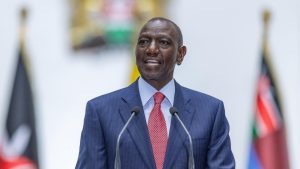
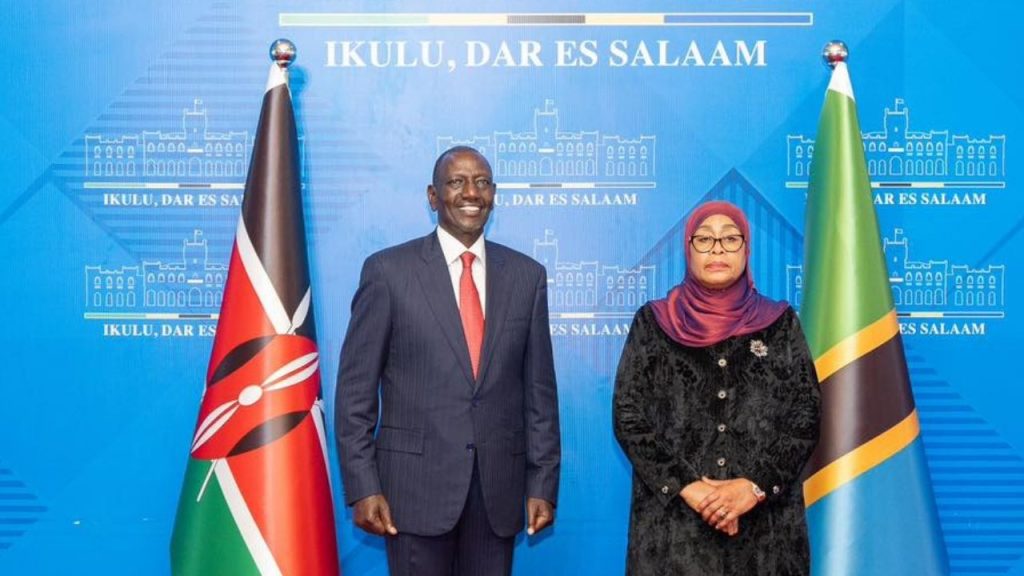
The commitment was announced during high-level bilateral talks in Dar es Salaam, where Presidents William Ruto and Samia Suluhu Hassan reaffirmed efforts to deepen economic cooperation and accelerate regional integration under the East African Community framework.
Officials said the removal of non-tariff barriers is expected to streamline cross-border trade, reduce delays, and lower operational costs for businesses, particularly small and medium enterprises that depend heavily on predictable and efficient market access.
The agreement builds on growing trade volumes between the two countries, which reached 860.3 million dollars in 2025, reflecting expanding commercial ties and increasing demand for improved regulatory coordination across shared economic sectors.
“We reaffirmed our commitment to eliminate all outstanding non-tariff barriers by 30th June, 2026, as directed by the 25th East African Community Summit,” President Ruto said, underscoring the urgency of implementation timelines.
Stakeholders in logistics and manufacturing sectors indicated that persistent non-tariff restrictions, including administrative delays and inconsistent standards, have historically constrained trade flows despite tariff reductions achieved under existing regional agreements and customs frameworks.
The two governments also signed eight cooperation agreements covering sectors such as energy, transport, agriculture, and legal coordination, aimed at strengthening institutional alignment and enabling smoother execution of joint economic and infrastructure initiatives.
“We especially welcome the continued growth in bilateral trade, which reached 860.3 million dollars in 2025, reflecting expanding opportunities and strong economic complementarities between our two nations,” Ruto noted, highlighting sustained commercial momentum.
Beyond trade, both leaders emphasized the importance of infrastructure projects such as the Malindi Bagamoyo highway and plans to revive regional railway links to reduce transport costs and enhance supply chain efficiency across borders.
President Ruto expressed confidence that the discussions held would translate into tangible outcomes for citizens, and urged respective implementation teams to move with speed and urgency in executing the agreed commitments.
About The Author