Justice System Strained As Technology Reshapes Crime Investigations
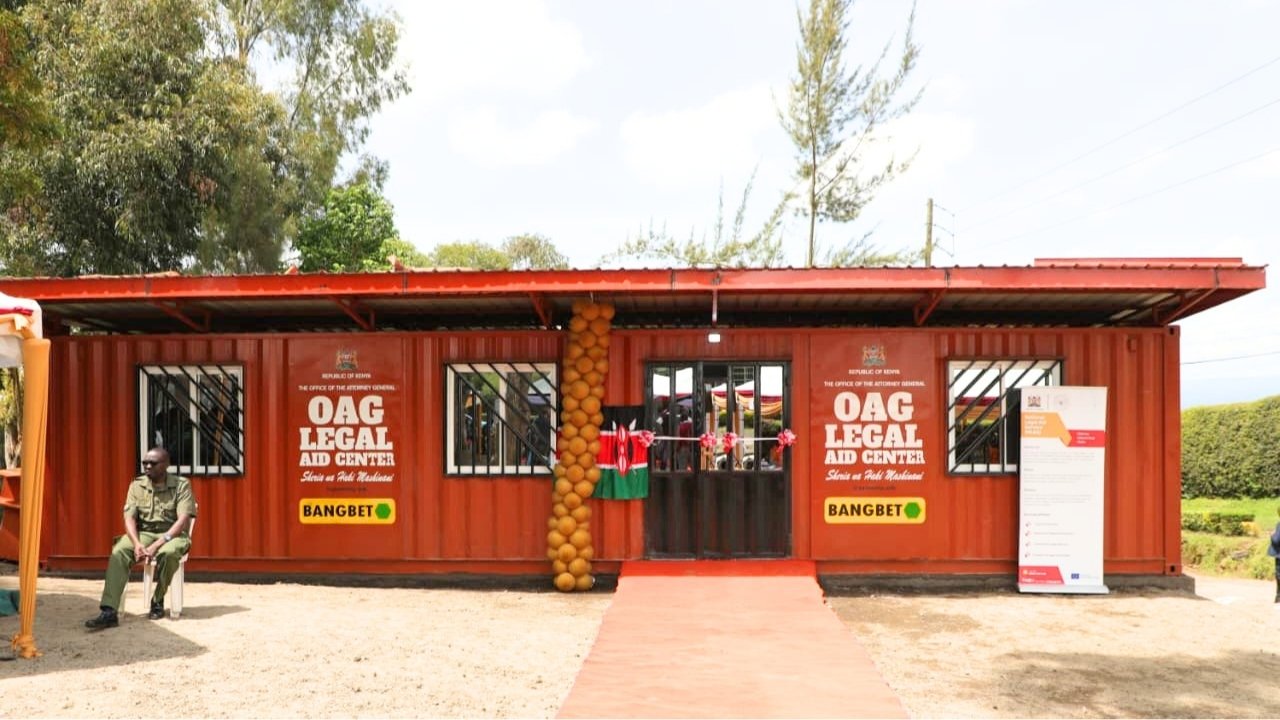
The Attorney General said the State Law Office has established four legal aid centres in Kitui, Machakos, Nairobi, and Nakuru, aimed at expanding access to justice and equipping citizens with essential legal knowledge.
By Elijah Cherutich
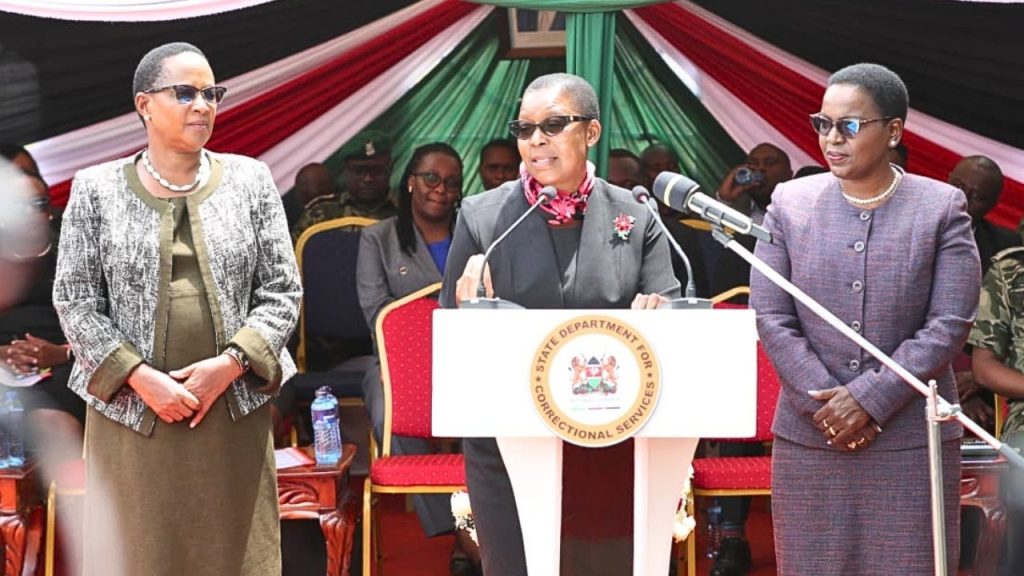
Kenya’s criminal justice system is under mounting pressure as rapid technological change reshapes how crimes are investigated and prosecuted, Attorney General Dorcas Oduor has warned, citing growing complexity in evidence handling.
Speaking at Nakuru GK Prisons during the commissioning of a legal aid centre, Oduor said technological advancements are disrupting traditional investigative and prosecutorial models, particularly in how evidence is gathered, analysed, and presented in court.
She noted that the growing reliance on digital tools has altered long-standing approaches, with new forms of evidence demanding higher technical capacity and adaptability from justice sector actors.
Oduor pointed to the increasing use of Closed-Circuit Television as a key example, saying it has fundamentally transformed evidentiary processes within the criminal justice system, often providing real-time accounts of criminal activity.
“We are now uptaking technology as a country and the world, technology is making more complex investigation and prosecution of offences, the defenses we used to rely on that I was not there; I did not carry panga will not be there when there is CCTV camera playing how you committed the offence”, she said.
She said that as digital evidence becomes more central, traditional defenses are likely to diminish, with courts increasingly relying on verifiable technological records to determine culpability.
Oduor urged the public to deepen their understanding of legal rights and responsibilities, noting that awareness will be critical in navigating a justice system that is rapidly evolving alongside technology.
“That is the reason we should equip ourselves with the law to ensure that we can defend ourselves properly and be on the safe side than to suffer because of lack of legal information”, she added.
The Attorney General said the State Law Office has established four legal aid centres in Kitui, Machakos, Nairobi, and Nakuru, aimed at expanding access to justice and equipping citizens with essential legal knowledge.
Principal Secretary for Correctional Services Salome Beacco said overcrowding in prisons remains a major concern, largely driven by a high number of unconvicted detainees.
She said strengthening legal aid services within correctional facilities will help accelerate case resolution and reduce congestion, enabling institutions to operate more effectively.
“We remain committed to transforming correctional facilities into centres of excellence. Access to justice and legal representation is a critical component of that transformation. Many incarcerated individuals, particularly the vulnerable and indigents, often face bias in navigating legal processes”, she said.
Beacco added that the department plans to roll out legal aid services across all 135 correctional institutions to support case reviews, appeals, legal advice, and alternative dispute resolution mechanisms.
Principal Secretary for Justice, Human Rights and Constitutional Affairs Judith Pareno said collaboration among justice sector stakeholders has significantly improved access to justice.
She said the newly commissioned centre will strengthen linkages across institutions and contribute to faster case processing, ultimately enhancing efficiency within the justice system.
About The Author