Why Journalists Boycotted Gachagua’s Much-hyped Media Roundtable
The move drew sharp criticism from lawyer Ahmednasir Abdullahi, who said journalists should challenge Gachagua with tough questions, arguing disagreement with a politician’s views is no reason to deny them a platform.
By Our Correspondent
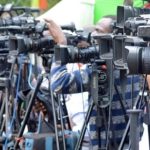
Journalists from Northern Kenya say they boycotted a planned press conference with former Deputy President Rigathi Gachagua over concerns about divisive rhetoric and ethical standards.
In a statement issued on Thursday night, the Northern Kenya Media Practitioners said they collectively withdrew from a scheduled roundtable interview after internal consultations.
Gachagua had announced the roundtable with the journalists and invited residents of Northern Kenya to participate in what he described as a “candid discussion through their local radio stations and online media” under the theme: “Every Kenyan deserves to live a dignified life in the spirit of Leaving No One Behind.”
The journalists who work for community media houses said the decision was driven by professional principles and the wider public interest.
“It is with deep regret that we inform our esteemed audience of our collective decision to terminate the planned roundtable interview scheduled with Hon. Rigathi Gachagua,” the journalists said.
They argued that ‘s recent public remarks risk deepening ethnic and regional divisions at a time when the country needs cohesion ahead of the high-stake 2027 general elecions.
The group said it was concerned that the engagement could shift from policy discussion to personal attacks and unverified claims, warning that such an outcome would undermine responsible journalism and inflame tensions.
“We have been closely following the recent public statements and rhetoric, which have increasingly been characterized as divisive, often emphasizing ethnic and regional divisions at a time when Kenya needs voices that unite rather than polarize,” the statement said.
The journalists said they sought assurances that the interview would remain respectful, evidence-based and focused on substantive national issues but the assurances were not provided.
While stressing the importance of giving public leaders space to address the nation, the group said it could not offer a platform that risked spreading harmful narratives.
They said the decision was not meant to shut out Gachagua permanently and that they remain open to future engagement if there is a clear commitment to constructive and unifying dialogue.
Early January, Gachagua linked some Eastleigh businesses to alleged economic crimes, claiming parts of the money were tied to fraud schemes abroad, sparking criticism.
He recently accused regional leaders of misappropriating nearly Sh1 trillion in devolved funds since 2013, allegations that remain unaccounted for. He said they invest in Nakuru County at the expense of their regions.
Despite the boycott, Gachagua addressed the public on his social media platforms, warning regional leaders they could silence him briefly, but would never stop him speaking to northern residents.
“There is a very serious effort by leaders from Northern Kenya to scare and intimidate journalists as well as radio stations not to air our interview tonight to deny the residents of Northern Kenya from knowing what ails the region,” he stated.
Gachagua has in recent months intensified his media outreach through press conferences and interviews with regional and community media houses ‘to speak directly to grassroots audiences’.
Several engagements have drawn strong reactions, with critics accusing Gachagua of framing national debates along ethnic and regional lines, a charge his supporters dispute, saying he raises uncomfortable but necessary issues.
The move by the journalists to boycott the address drew sharp criticism from lawyer Ahmednasir Abdullahi, who said journalists should challenge Gachagua with tough questions, arguing disagreement with a politician’s views is no reason to deny them a platform.
“What a shame. I personally don’t agree with Gachagua on many things. But in the last three weeks Gachagua brought to the fore a very important national question, corruption/theft by the political elites in NFD and low-quality leadership saddled with the people.
He said the media could not boycott Gachagua simply because they disagreed with him, arguing journalists should have interviewed him and asked hard questions, describing the boycott as cowardly.
Mohamed Wehliye also condemned the boycott, saying it undermined tolerance and free expression, and warned that denying platforms over assumptions set a dangerous precedent for democratic debate.
“This is a rubbish take by the way. If you don’t like what Riggy G says or stands for, it doesn’t mean you curtail his rights to speak. You can’t accuse him of intolerance & then be this intolerant. Riggy G has the right to be heard by all Kenyans,” he stated.
About The Author