By Suleiman Mbatiah
Women human rights defenders have been urged to strengthen intergenerational dialogue to build unity, share knowledge, and respond more effectively to rising threats against activists across the country.
Women Human Rights Defender Hub Executive Director, Salome Nduta, said conversations between older and younger defenders were essential to sustaining the movement.
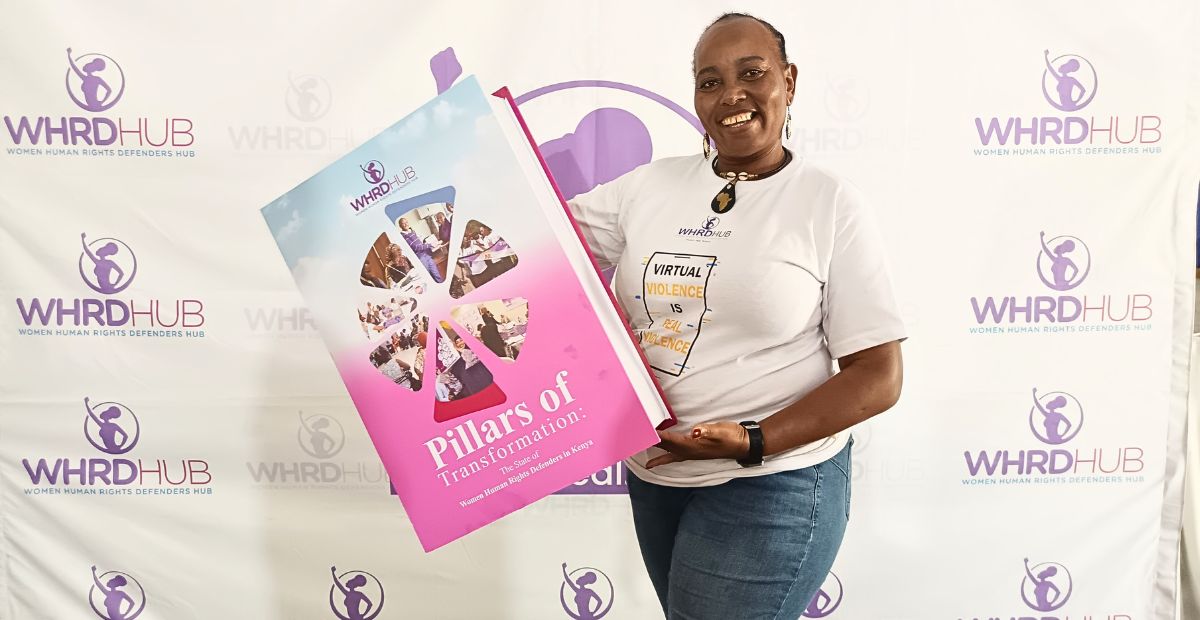
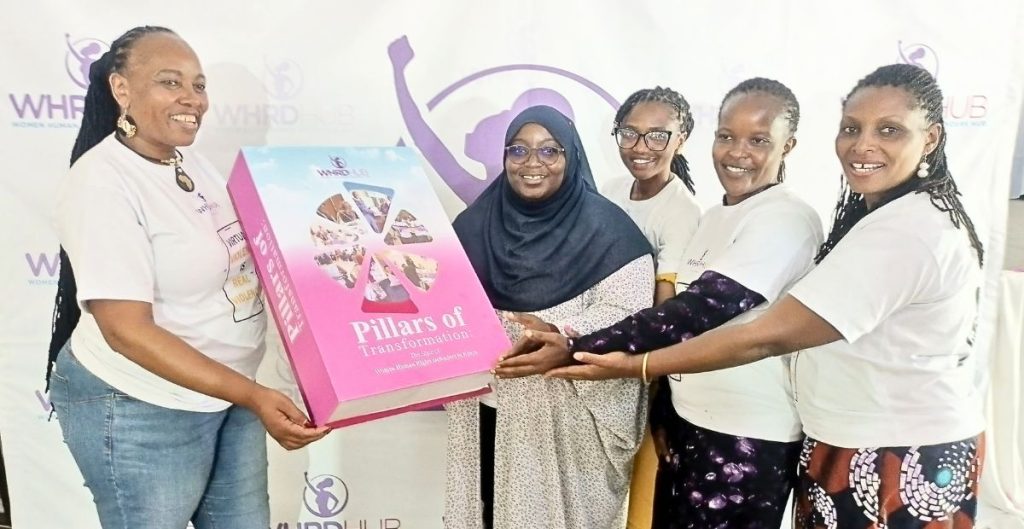
She spoke in Nakuru County during the launch of the (WHRD Hub) 2025 report, Pillars of Transformation; The State of Women Huma Rights Defenders in Kenya and the commemoration of International Human Rights Day. The event was attended by women grassroot human rights defenders from the 11 sub-Counties.
“Open dialogue helps us unpack the different journeys we take as defenders, the challenges we face, and the strategies we use to overcome them,” Nduta said.
She said sustained intergenerational engagement would prevent divisions in Nakuru’s women human rights network, strengthen collaboration, keep advocacy effective, and enable sharing of data on issues addressed and sources of support.
Nduta encouraged women defenders to document both setbacks and gains, saying storytelling was key to learning and resilience.
“We encourage them to tell both the sad story when you face a challenge, and the successful story when you receive support and achieve what you set out to do as a defender,” she said while challenging Kenyans to see human rights as a shared responsibility, not the preserve of activists.
Young defender Nurat Wamaya said the day reminded her of the work ahead, noting that young women must keep spreading hope to encourage respect for human rights and warning that digital violence was increasing and needed firm action.
The 2025 report paints a grim picture of violence against women in Kenya. Between January 2016 and December 2023, more than 500 women were killed, with at least 100 deaths recorded between September 2023 and January 2024 alone. Reported cases rose by 67 percent in that period, while delays in justice and corruption were cited as the main barrier by 32 percent of survivors seeking help in Nairobi.
The report cites the September 2024 murder of Olympic marathon runner Rebecca Cheptegei, despite repeated reports of abuse, as a stark example of protection failures. It also documents risks faced by women and their allies, including police brutality during protests, arrests under the Computer Misuse Act, gang violence, and exclusion in pastoralist communities.
Despite the challenges, the Hub reports progress through county rapid response frameworks, police–civil society dialogue forums, disability-inclusive advocacy, and new baseline surveys to guide targeted action.
The report also notes the February 2025 adoption of the African Union Convention on Ending Violence Against Women and Girls, which formally recognises women and girls human rights defenders.
The report outlines a four-pillar approach focusing on safety, protection, wellbeing, and movement building, positioning women human rights defenders as central actors who need protection, resources, and recognition to continue their work.