Same Faces, Same Failures: Opposition Complicit in Kenya’s Economic Crisis
Until we confront the truth that both government and opposition have been part of the problem, the suffering of Kenyans will continue.
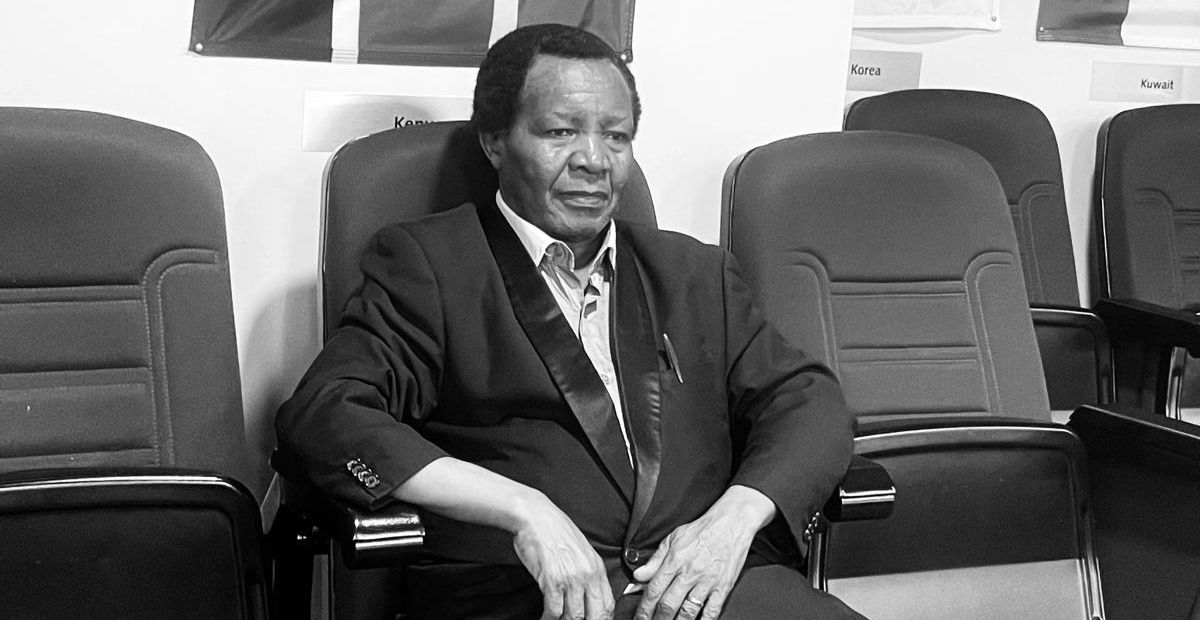
By Dr Isaac Newton Kinity
Kenya is facing an unbearable economic and social crisis. The cost of living is crushing households. Young people cannot find work. Public debt is rising. Basic services are strained.
In moments like this, it is tempting to blame only those currently in power. That would be a mistake. The truth is more uncomfortable. Both the government and the opposition are responsible for the mess Kenya is in today.
Most of the leaders who now speak loudly from the opposition benches were in government not long ago. They held senior positions. They made decisions. They watched as public resources were misused. Some were silent. Others benefited. Very few stood up for the common citizen.
Today, the same leaders brand themselves as champions against corruption and defenders of the poor. They want Kenyans to forget their past. They want to be seen as redeemers. Kenyans should not be deceived.
This pattern is not new. It has defined our politics for more than five decades. Leaders move from government to opposition and back again. Only the seats change. The habits do not. Corruption cartels simply rearrange themselves after every election. Kenyans are blackmailed with promises of reform that never come.
During campaigns, we hear the language of national unity, economic recovery, and fighting corruption. Once elections are over, looting begins again. Public funds disappear. Land is grabbed. Extrajudicial killings and abductions go unaccounted for. Ordinary Kenyans are left to suffer.
The opposition has a constitutional duty to protect the public interest. Too often, it has failed. At critical moments, some opposition leaders have gone quiet when policies that hurt the common man were passed. Others have chosen political deals over accountability. That silence is complicity.
Leadership is not about shouting from rallies or issuing press statements. Leadership is about honesty, transparency, and listening. If the Executive and Parliament had listened to the Controller of Budget, Margaret Nyakang’o, and the Auditor-General, Nancy Gathungu, Kenya would not be bleeding billions through wastage and theft. Our young people would not be trapped in hopeless unemployment.
Recycling the same leaders who have presided over this decline will not save Kenya. Prayer alone will not save Kenya. What will save this country is a deliberate choice to reject dishonest leadership and demand integrity.
Kenyans must look beyond familiar names and political experience built within corrupt systems. Experience gained in bad governance is not an asset. It is a danger. It only sharpens the skills of looting and manipulation.
I recently spoke to young people in Western Kenya. Many of them, especially Gen Z, say they no longer feel represented by the old political divide. They want a new national vision. They want leadership that is patriotic, accountable, and proven by action, not words.
Kenya does not lack capable citizens. What we lack is the courage to break from a political class that has failed us repeatedly. Before we bow our heads to pray, we must first choose leaders who deserve our trust.
Until we confront the truth that both government and opposition have been part of the problem, the suffering of Kenyans will continue.
Dr. Isaac Newton Kinity is a Counselor and Human Rights Activist, Chairman of the Kikimo Foundation for Corruption and Poverty Eradication, and former Secretary General of the Kenya Civil Servants Union. He is based in Connecticut, USA.
About The Author