ODM Must Rediscover Founding Ideals, Says Nyong’o
He urged the party to treat generational debate within its ranks as a sign of vitality rather than division, saying leadership renewal must be guided by the party’s founding philosophy.
By Staff Writer
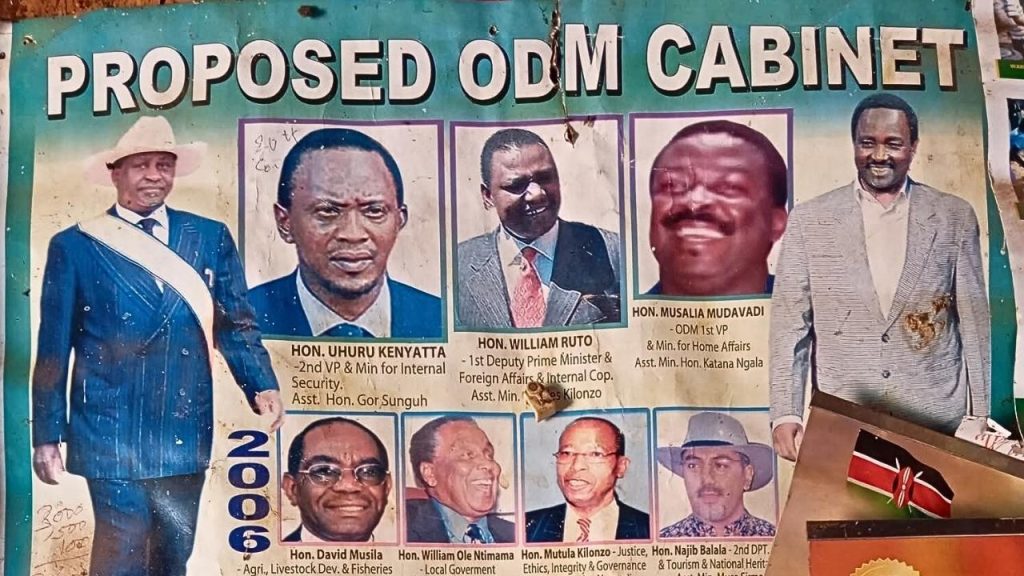
Twenty years after the Orange Democratic Movement emerged from the 2005 constitutional referendum, a founding leader says the party must return to its reformist foundations.
The pioneer emeritus secretary-general argues that ODM was created as a national movement to challenge corruption, limit presidential power and build unity beyond ethnic politics, ideals he says remain under threat today.
Anyang’ Nyong’o said the party’s origins were tied to the struggle for constitutional reform and resistance to an over-centralised presidency that concentrated power and resources in one office.
The Kisumu governor reflected on ODM’s journey as the party marks two decades since the 2005 referendum that galvanised opposition to a proposed constitution widely criticised for retaining excessive presidential authority.
He said the Orange symbol became a rallying point for citizens demanding accountability, equity and constitutional governance at a time when many believed Kenya’s democratic reforms had stalled.
“ODM was not formed for political comfort or temporary alliances. It was born out of a national awakening and a rejection of constitutional deception,” said Prof Nyong’o.
According to the governor, the movement sought to transform Kenya’s political culture by shifting competition away from ethnic patronage towards citizenship anchored in constitutional rights and equal opportunity.
He noted that the concentration of power in the presidency historically fuelled ethnic tensions and turned elections into high-stakes contests for state control.
“Kenya’s political system once made the presidency appear like the gateway to national resources. Whoever captured it seemed to capture the state itself,” he said.
Prof Nyong’o said constitutional reforms culminating in the 2010 Constitution were intended to disperse power, strengthen institutions and entrench devolution as a safeguard against excessive central authority.
The Constitution strengthened Parliament, empowered the Judiciary and established independent commissions while transferring resources and authority to county governments.
However, he said the gains of reform require constant defence, warning that political movements risk decline when they abandon the principles that originally defined them.
“Movements do not decline because they are defeated; they decline when they forget why they were formed,” Prof Nyong’o said.
The governor acknowledged that Kenya has made progress in strengthening civil liberties and decentralising governance, but said challenges such as economic inequality and youth unemployment persist.
He urged the party to treat generational debate within its ranks as a sign of vitality rather than division, saying leadership renewal must be guided by the party’s founding philosophy.
According to him, internal competition should strengthen the movement’s ideas and leadership rather than dilute its commitment to constitutionalism, social justice and democratic governance.
Prof Nyong’o said the next phase of ODM’s political journey must prioritise defending devolution, promoting economic equity and safeguarding democratic institutions.
He warned that reducing politics to ethnic calculations would betray the nationalist vision that inspired the party’s formation nearly two decades ago.
“The future of ODM lies in defending the Constitution, deepening social justice and ensuring that power in Kenya is always limited by law and accountable to citizens,” said Prof Nyong’o.
He added that the party must remain committed to building a nation where institutions are stronger than individuals and political leadership is guided by principles rather than short-term political gain.
About The Author