
By Suleiman Mbatiah
The eradication of corruption is the single most important step Kenya must take to resolve its deepening social, economic and political challenges, according to human rights advocate Dr Isaac Newton Kinity.
In a strongly worded statement, the former Secretary General of the Kenya Civil Servants Union, and currently based in Connecticut, United States argued that no meaningful change can occur in the country without confronting corruption at the highest levels of power.
The counsellor and human rights advocate warned Kenyans against what he described as repeated false promises from political leaders, especially as the 2027 General Election approaches.
His remarks come as President William Ruto renews his Singapore-style development pledge, a vision widely criticised and increasingly seen by many Kenyans as political rhetoric rather than an attainable national goal.
“Kenya will not change without ending corruption,” Dr Kinity said, insisting that campaign pledges not anchored on accountability are misleading the public, including young voters.
Dr Kinity, who chairs the Kikimo Foundation for Corruption and Poverty Eradication, said past anti-corruption efforts have failed because they focus on low-level officials while shielding powerful individuals who wield influence and enjoy impunity.
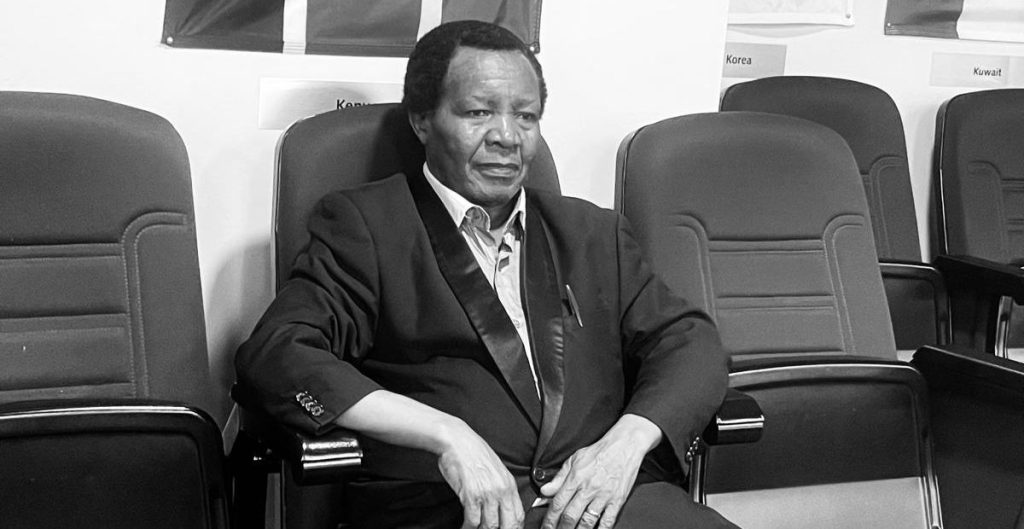
He argued that arresting clerks, junior officers or a handful of local leaders cannot dismantle entrenched corruption networks.
“Arresting small fish will never solve Kenya’s problems,” he said. “Those in power must be arrested, prosecuted, jailed and stripped of everything they stole.”
According to Dr Kinity, targeting what he termed a small group of powerful individuals at the centre of large-scale looting would have far-reaching benefits for the country.
He linked corruption directly to unemployment, poor pay for workers, failing healthcare, land grabbing, investor harassment and the suffering of vulnerable groups including children, widows, the elderly and persons with disabilities.
He also said corruption has weakened key state institutions, citing the collapse of police canteens, challenges in military welfare, declining standards in public education and persistent abuse of farmers and investors.
“If corruption ends, prosperity will follow,” he said maintaining that Kenya has sufficient resources and capacity to transform its economy and society, but is being held back by unchecked theft of public funds.
He claimed that a serious, uncompromising anti-corruption drive could dismantle the problem within two years, with tangible national recovery seen shortly after.