Nakuru Temple Unveils East Africa’s Tallest Lord Hanuman Statue
Hanuman is celebrated in Hindu tradition as the ultimate symbol of devotion to Lord Rama. He symbolizes extraordinary strength, courage, and selfless service, inspiring millions with his unwavering loyalty and divine dedication.
By Suleiman Mbatiah
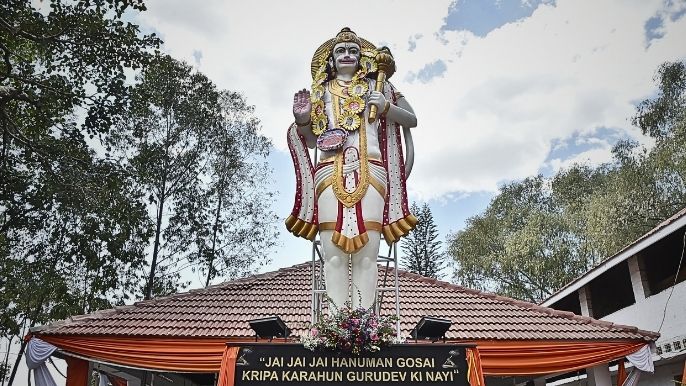
The Hindu community in Nakuru has unveiled a 20-foot statue of Lord Hanuman at the 110-year-old Shri Krishna Temple, marking what is believed to be the tallest statue of the revered deity in East Africa.
The imposing deity, second only to one in South Africa on the continent, was carved from stone sourced from quarries in Kisii County by local artisans in Nakuru City.
Temple chairman, Shailesh Sheth revealed the project took 10 months to complete, facing significant challenges including transporting the massive structure, precisely shaping the intricate details, and successfully erecting the towering statue into position.
“It’s fantastic work which they have done. It has taken them long, but as you can see, the finished product is a replica of any such murti (statues) you would bring from India,” Sheth said while thanking the artisans.
The unveiling, he explained, represents a significant milestone for the Hindu community, who revere Lord Hanuman as a deity symbolizing strength and wisdom. There are significant days like Saturdays and Tuesdays dedicated for his prayers.
Hanuman is celebrated in Hindu tradition as the ultimate symbol of devotion to Lord Rama. He symbolizes extraordinary strength, courage, and selfless service, inspiring millions with his unwavering loyalty and divine dedication.
The consecration ceremony was preceded by three days of cultural programmes celebrating the installation. On the final day, devotees held a procession through major roads in Nakuru City, chanting and dancing.
The principal donors were the Nikubhai Shah family, generously co-supported by the Shailesh Sheth family and Ilyas Patel’s family, who collectively contributed funds to cover the entire project’s costs.
Niku Shah of Ruby Hardware and family spokesman said the monumental task had its fair share of hurdles, delays, and testing moments of patience. He added that the statue was not only placed in this temple, but also in the hearts of the devotees.
Shah described the offering as an act of gratitude and service, made in memory of their late father, Ratilal Shah, and in honour of their elders whom he said their values continue to guide the family.
“This has been a journey marked by patience and faith. Despite challenges along the way, the project was completed through dedication, teamwork, and belief in Lord Hanuman, revered as Sankat Mochan, the remover of obstacles,” he said.
Over 100 Kenyan devotees from Nairobi, who embraced the Krishna movement, joined the procession, chanting sacred Krishna mantras with passion and deep spiritual enthusiasm and joy.
Sheth expressed confidence that the magnificent statue would significantly promote religious tourism in the region, attracting devotees and visitors from across Kenya and beyond, while inspiring more people to discover Nakuru City.
“It becomes a milestone. Even if anybody is passing through this County or coming to Kenya, maybe in future whenever they Google it, they will say, ‘Oh really, there is a murti of such a big height,'” he said.
The temple has begun installing benches, a water fountain, and shade for visitors to relax and chant mantras. Sheth added that plans are underway to invest in logistics to ensure annual religious processions throughout Nakuru City.
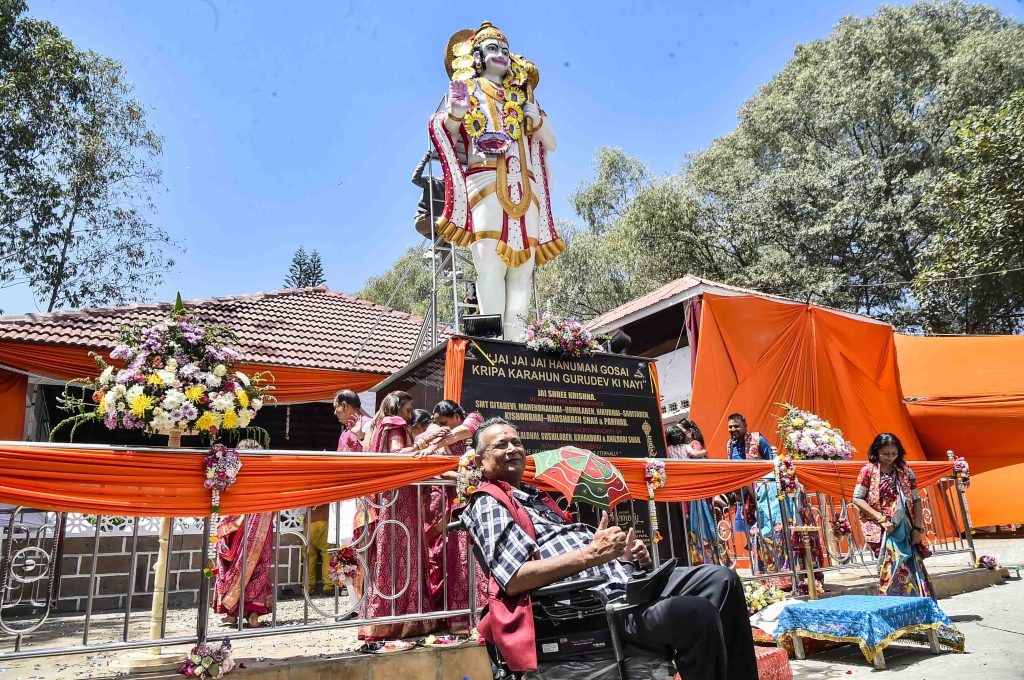
The Deputy High Commissioner of India to Kenya, Sushil Prasad, who served as chief guest at the unveiling ceremony, described the occasion as a truly historic and momentous day for the entire Indian diaspora community throughout the region.
“Indians came to Kenya in the late 19th century and have been part and parcel of the growth journey of Kenya,” Prasad said while commending the Indian community for maintaining their traditions while contributing to Kenya’s economic growth.
The High Commission, he announced, plans to organize a consular camp in March, to provide Indian nationals in the region with convenient access to essential passport, visa, and other crucial government services in one centralized location.
On her part, the national chair of the Hindu Council of Kenya, Sujata Kotamraju reiterated that it was a proud moment for the Hindu community for the installation and consecration of the revered deity.
She noted that temples in Naivasha, Nakuru, Machakos, and Kitengela now offer comprehensive Hindu religious services, including traditional rituals, authentic ceremonial materials, cultural festivals, and spiritual events for the community.
“The community can no longer travel to India for pilgrimage as these temples have much of what is needed to offer,” Kotamraju said with pride, highlighting how local temples now provide authentic spiritual experiences and sacred rituals right here in Kenya.
About The Author