Nakuru Muslims Mark Eid With Calls For Peace, Support For Conflict-Hit Middle East
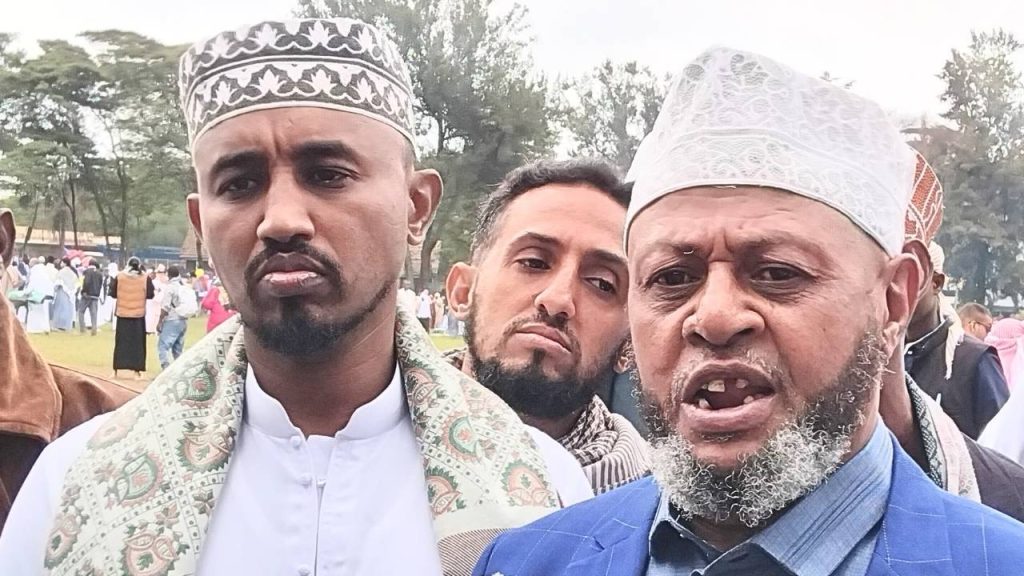
Speaking during Eid prayers at Menengai High School, Nakuru Muslim Association Chairman Saef Nasher said the holy month of Ramadan had concluded peacefully at the local level, even as many Muslims globally continued to face hardship.
By Suleiman Mbatiah
Muslim leaders in Nakuru have called for sustained prayers and humanitarian support for communities affected by conflict in the Middle East, as worshippers marked Eid ul Fitr with renewed appeals for unity and compassion.
Speaking during Eid prayers at Menengai High School, Nakuru Muslim Association Chairman Saef Nasher said the holy month of Ramadan had concluded peacefully at the local level, even as many Muslims globally continued to face hardship.
He urged the faithful to extend solidarity to those unable to fully observe Ramadan due to ongoing conflicts, displacement and economic strain affecting parts of the Middle East and beyond.
Biashara Ward MCA Fadhili Msuri said prolonged wars were undermining key pillars of Islamic practice, noting that instability continues to disrupt religious observance and weaken the social fabric of affected communities.
Msuri also commended the Kenyan government for facilitating access to duty-free grapes during Ramadan, saying the intervention helped ease the burden on families and supported the observance of fasting.
Attention also turned to the domestic political climate, with nominated Senator Hassan Duale warning against escalating tensions ahead of the 2027 General Election and calling for restraint among political leaders.
“I am calling on political leaders to exercise caution and calm during the political period so that we can enjoy the peace we have had for a long time,” Duale said.
Eid ul Fitr, which marks the end of Ramadan, is traditionally observed through prayer, charity and communal celebrations. Leaders noted that festivities in Nakuru remained orderly and peaceful despite concerns over regional conflicts and rising political temperatures at home.
The calls in Nakuru mirror broader global concerns, as humanitarian agencies continue to report significant civilian suffering in conflict-affected regions, underscoring the need for sustained international support and solidarity.
About The Author