Mudavadi: Proposed 2026 Referendum to Fix Looming Constitutional Crisis Ahead Of 2027 Polls
Beyond electoral issues, the proposed referendum would also seek to anchor recommendations from the National Dialogue Committee (NADCO), including entrenching the National Government Constituencies Development Fund (NG-CDF) in the Constitution.
By Staff Writer
Kenya may hold a constitutional referendum in 2026 to resolve legal and structural gaps that the government warns could undermine electoral preparedness and threaten the conduct of the 2027 General Election.
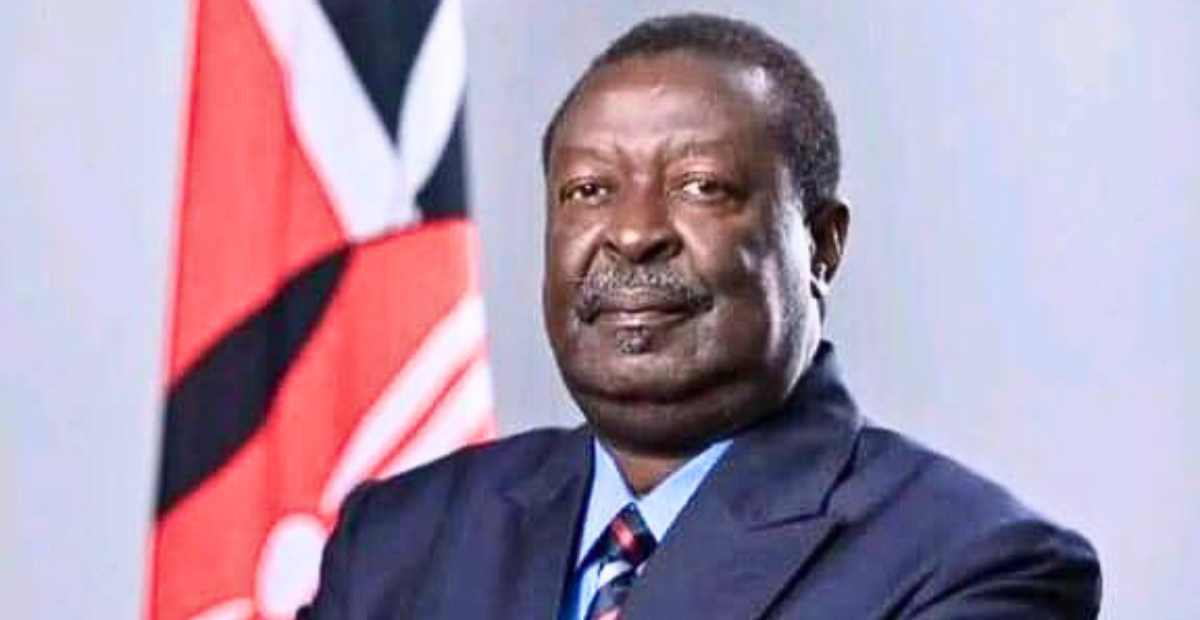
In a press statement, Prime Cabinet Secretary Musalia Mudavadi said the country is facing a “referendum moment”, citing missed constitutional deadlines on electoral boundary reviews and unresolved census-related disputes.
Mudavadi said the Constitution requires constituency boundaries to be reviewed every eight to 12 years, with the last review concluded in March 2012. The legal window for the next review closed in March 2024, placing the country in what he described as a period of constitutional non-compliance.
He warned that the situation is complicated by a census deadlock following the nullification of the 2019 population census in Mandera, Wajir and Garissa counties. A court has ordered a mini-census in the three counties by January 2026, raising concerns about the legality of using mixed population data for boundary delimitation.
According to the statement, using 2019 census data for 44 counties alongside fresh data from the three counties would likely fail the constitutional test of uniform population quotas, exposing the 2027 election to legal challenges.
“At the county level, there is equally a serious conflict between the 2010 Constitution that allows IEBC to name, rename, reduce or increase County Assembly Wards, when the County Governments Act limits wards to 1450 only,” he highlighted.
Mudavadi also pointed to Article 89 of the Constitution, which caps the number of constituencies at 290, arguing that the restriction prevents fair representation in high-growth areas unless the Constitution is amended.
At the county level, he cited a conflict between the Constitution and the County Governments Act, which limits the number of wards to 1,450, potentially restricting the ability of the Independent Electoral and Boundaries Commission (IEBC) to respond to population changes.
Beyond electoral issues, the proposed referendum would also seek to anchor recommendations from the National Dialogue Committee (NADCO), including entrenching the National Government Constituencies Development Fund (NG-CDF) in the Constitution.
Mudavadi proposed the creation of additional development funds, including a Senate Oversight Fund and a Ward Development Fund, to support devolution and grassroots development.
The statement further proposed constitutional changes to formalise the offices of the Prime Minister and the Leader of the Official Opposition, as well as provide a lasting solution to the two-thirds gender rule.
He argued that holding a referendum alongside the 2027 General Election would help harmonise laws, protect electoral timelines and safeguard Kenya’s tradition of holding elections every five years.
“No valid population, no boundaries review and hence, no valid general election! We ignore this at all grave peril to our constitutionalism,” he warned.
About The Author