Media Council Warns Broadcasters Over Use Of Unverified Experts
The council stressed that its mandate is to ensure ethical practice while safeguarding press freedom guaranteed under the Constitution, and to help media outlets maintain credibility in reporting and commentary.
By Suleiman Mbatiah
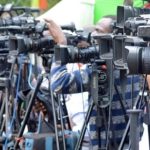
The Media Council of Kenya (MCK) has warned media houses against featuring unverified “experts” on air, urging outlets to check credentials before booking guests for interviews.
The advisory comes after a radio discussion on nutrition involving an individual presented as a professional whose registration status could not be confirmed.
In a statement, the council said the Kenya Nutritionists and Dieticians Institute (KNDI) notified it of growing cases where media outlets engage commentators without confirming professional registration.
The council noted that the institute, which regulates training and licensing of nutrition and dietetics professionals, has formally condemned comments aired on one station that described the staple food ugali as “the most useless food that is out there.” The speaker was introduced as a nutrition expert but is not registered with KNDI.
MCK said investigations into the matter are underway under the Nutritionists and Dieticians Act, noting that inaccurate health information can mislead the public and undermine professional standards.
In its advisory, the regulator emphasised that media enterprises must exercise due diligence and consult KNDI to confirm whether potential guests hold recognised qualifications before featuring them as experts.
“Effective immediately, media enterprises are advised to engage only duly registered persons on matters relating to nutrition and dietetics,” the statement read in part.
The council warned that engaging unregistered individuals could violate Sections 33 and 36(b) of the Nutritionists and Dieticians Act and expose both the alleged expert and the media house to litigation.
MCK’s role is to promote and enforce professional and ethical standards among journalists and media enterprises in Kenya. The body accredits journalists and media outlets and monitors compliance with media practice standards as outlined in the Media Council Act.
Under the regulator’s revised 2025 Code of Media Practice, media practitioners are required to verify facts and ensure accuracy and authenticity before publication or broadcast.
Industry observers say the advisory is timely given persistent concerns about misinformation on health and other specialised topics. Experts warn that incorrect or misleading commentary on nutrition could have public health consequences if audiences act on inaccurate advice.
Media houses have been urged to adopt strict verification processes, including checking professional registers and consulting statutory bodies such as KNDI when booking sources on specialised subjects. This step, the council said, protects the public interest and upholds newsroom standards.
The council stressed that its mandate is to ensure ethical practice while safeguarding press freedom guaranteed under the Constitution, and to help media outlets maintain credibility in reporting and commentary.
About The Author