Kigame Calls For Law To Bar Presidents From Long-Term Contracts
He noted that many government contracts lock the country into repayment periods spanning decades, even after the leaders responsible for signing them have exited office.
By Jane Chepkurui
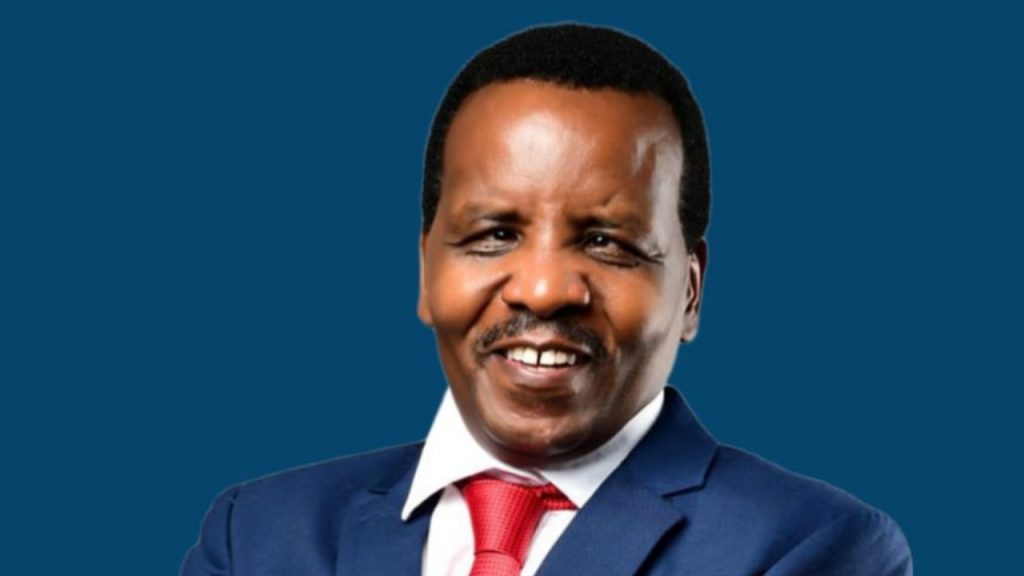
Calls for tighter controls on presidential powers have intensified with presidential aspirant Reuben Kigame urging Parliament to bar sitting heads of state from signing long-term contracts that outlive their tenure.
Speaking at the second Interdenominational Prayer Breakfast at Kaimosi Friends University, Kigame said leaders should only commit the country to agreements whose obligations fall within their constitutional term.
He argued that current practices have left future generations burdened with debts tied to projects they neither approved nor directly benefited from, calling for urgent legal safeguards to curb the trend.
“A law should be passed stating that if you are a president, you should not make contracts on behalf of the people of Kenya stretching beyond your term in office,” Kigame said.
He noted that many government contracts lock the country into repayment periods spanning decades, even after the leaders responsible for signing them have exited office.
Kigame also called for personal accountability among leaders, proposing that officials who commit the country to costly agreements should bear financial responsibility once they leave office.
He criticized what he described as excessive borrowing, saying some loans are repaid at nearly three times their original value while failing to generate meaningful economic returns.
His remarks come amid growing public concern over Kenya’s debt burden, with a significant portion of national revenue allocated to servicing loans, limiting funding for social services and development.
Beyond fiscal policy, Kigame condemned rising personal attacks among political leaders during public rallies, describing the exchanges as inappropriate and damaging to public discourse.
“To get better leadership in Kenya, we must first check the character of a person,” he said, urging voters to prioritize integrity when electing leaders.
He faulted both government and opposition figures for inflammatory rhetoric, stressing the need for restraint and responsibility in public communication.
Kigame further called on Kenyans to elect new leaders in the next general election, arguing that experience should not be used to justify poor governance or misconduct.
He further urged leaders to uphold integrity, respect and accountability, saying the country’s future depends on values-driven leadership and responsible decision-making.
About The Author