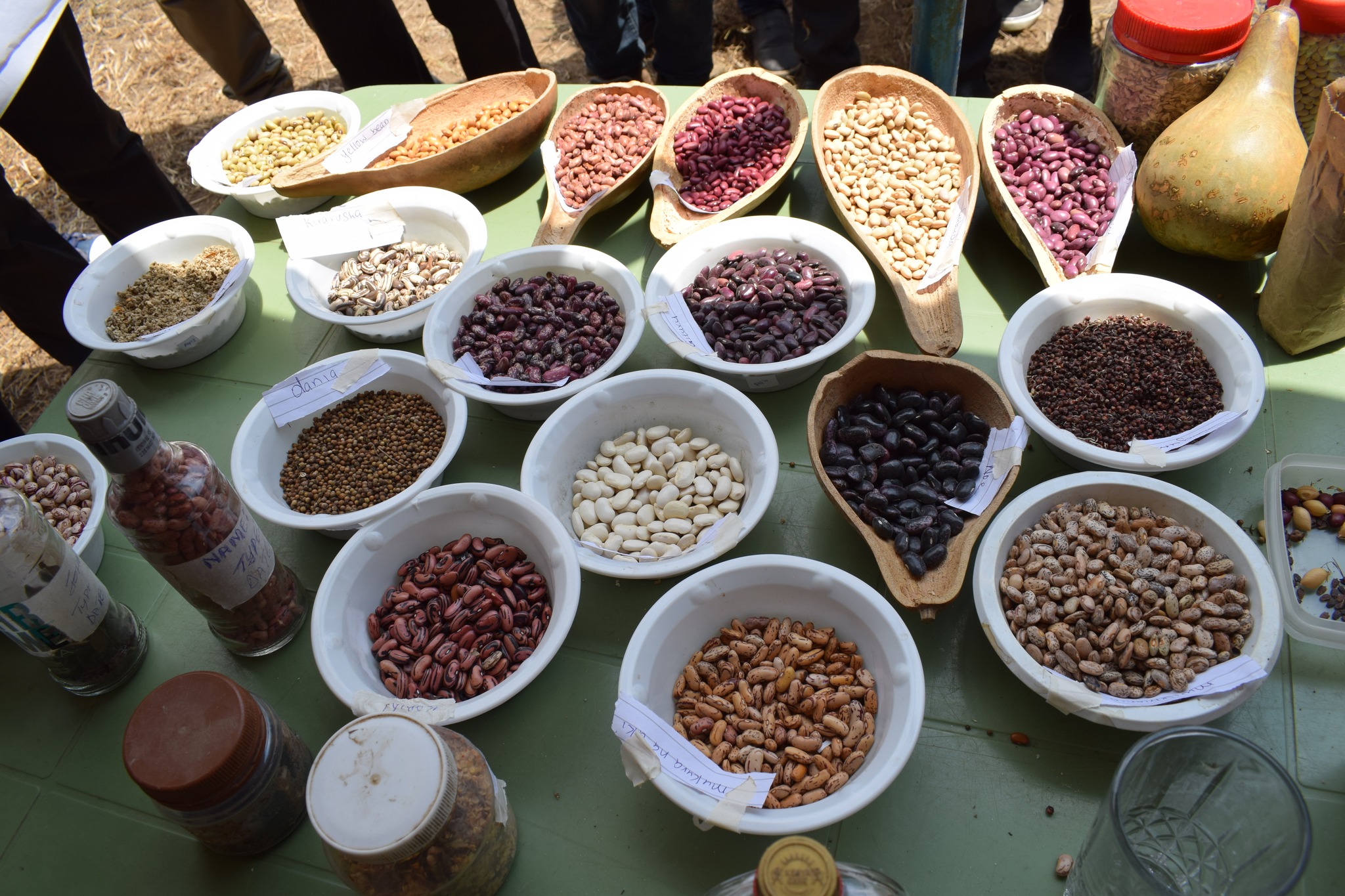
In the face of erratic weather patterns, extreme temperatures, and shifting growing seasons driven by climate change, indigenous seeds are emerging as unsung heroes in the global effort to secure food systems.
For generations, indigenous communities have nurtured and protected these traditional seed varieties—now gaining long-overdue recognition for their unique ability to thrive and adapt under challenging environmental conditions.
“These seeds have naturally evolved to flourish in diverse environments, unlike many modern hybrids that are bred for specific conditions,” explained Daniel Wanjama, Director of the Seed Savers Network – Kenya.
Based in Gilgil, Nakuru County, the Seed Savers Network promotes seed conservation, agricultural biodiversity, and the exchange of traditional seed varieties among smallholder farmers and communities.
Wanjama added that indigenous seeds play a crucial role in preserving genetic diversity, a key resource for crop breeding programs that aim to develop climate-resilient varieties. He noted that these seeds enhance food sovereignty and security by contributing essential traits to staple crops like maize, rice, and wheat.
He was speaking at a media sensitization workshop organized by the Media Council of Kenya (MCK) at the Seed Savers Network’s seed bank in Elementaita. The session focused on strengthening public awareness around climate change, sustainable agriculture, and the role of the media in these conversations.
Christine Nguku, MCK’s Assistant Director for Training and Curriculum Development, underscored the media’s role in educating the public on how climate change is disrupting traditional farming and how indigenous seeds can offer adaptive solutions.
“We urge journalists to highlight how these seeds contribute to resilience, especially among small-scale farmers,” she said.
Dr. Wanjiru Kamau, a food activist, called for a shift away from food stereotypes and toward food sovereignty—centering local knowledge and traditional seed systems as tools to revitalize agriculture and confront climate challenges.
“Food sovereignty recognizes the value of indigenous seeds in preserving cultural heritage, ensuring sustainable farming, and reducing dependency on external seed and food sources,” she noted.
In Kenya, despite the existence of a formal seed sector, over 70 percent of farmers continue to rely on the informal system—sharing, saving, and exchanging seeds. This underscores the enduring significance of indigenous seeds in everyday agricultural practices.
Experts say that with the right training and knowledge, farmers have successfully navigated tough climates, demonstrating how education in indigenous seed use can boost productivity and resilience.
Dr. Lillian Samoei, an agronomist at Egerton University, emphasized the need for farmer training on climate-smart practices. “Indigenous seeds, if properly understood and applied, can secure food systems for future generations,” she said.
However, efforts to preserve indigenous seeds and promote food sovereignty are increasingly at odds with intellectual property regimes and international seed laws.
Dr. Daniel Maingi, a science and development expert, stressed that farmers have the inherent right to save, exchange, and use seeds for cultural, farming, and gardening purposes. “Strict intellectual property laws risk stripping communities of these rights and could create dangerous dependency on commercially controlled seed varieties,” he warned.
In November 2022, smallholder farmers challenged the Seed and Plant Varieties Act (Cap 326 of 2012) in a Machakos court, arguing that it criminalizes the sharing and sale of unregistered seeds. The law imposes penalties of up to two years in prison or fines of up to KSh1 million.
Dr. Maingi criticized the government for failing to enact laws that protect the ownership of indigenous seeds and intellectual property in traditional knowledge. “These laws should empower—not punish—farmers who are the custodians of biodiversity,” he said