Aviation regulators and safety experts have called for stronger frameworks to ensure informed decision-making and inter-agency coordination as regional conflicts pose growing risks to civil aviation.
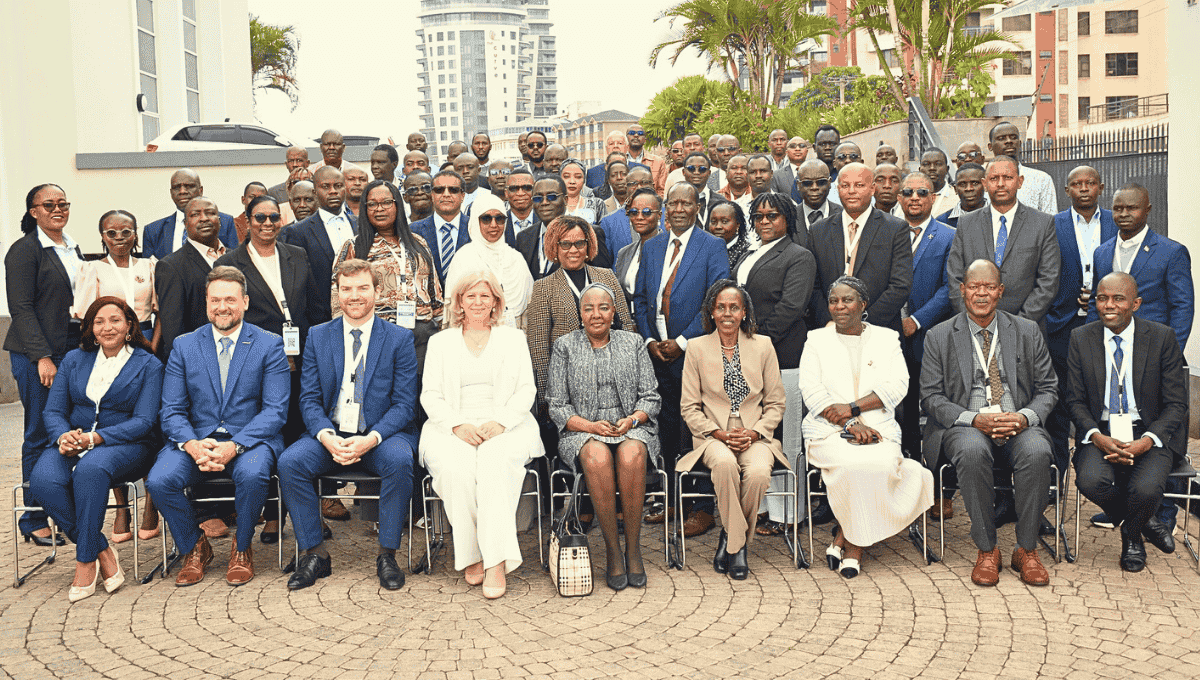
The push emerged during a high-level workshop in Nairobi focused on safety checks and risk management guidelines to strengthen global aviation safety through shared expertise and coordinated action amid rising geopolitical tensions.
The three-day event, organized by the International Civil Aviation Organization (ICAO) and the Kenya Civil Aviation Authority (KCAA), brings together regulators, airlines, and safety partners to address threats in conflict-affected airspace.
The discussions come at a critical time, with escalating Middle East hostilities prompting heightened concern over civilian flight safety, including potential aircraft rerouting and temporary closure of airspaces in high-risk zones.
Key measures under review include updated risk assessments, strategic flight rerouting, and stronger coordination efforts aimed at ensuring the safety of passengers and aircraft flying near conflict or high-risk areas.
The seminar also focuses on implementing ICAO Doc 10084, a global guideline for conflict zone risk management, through case studies, threat assessments, and regional information-sharing strategies.
“This seminar is essential. Through dialogue, we can build frameworks for informed decisions and coordination to address real dangers facing civil aviation,” said Ms. Lucy W. Mbugua, ICAO Regional Director, emphasizing the urgency of the talks.
ICAO Doc 10084, a cornerstone of the discussions, provides a structured approach to evaluating and mitigating airspace risks. It outlines best practices for assessing threats, communicating hazards, and ensuring safer flight operations near conflict zones.
KCAA Director General Mr. Emile Arao, represented by Ms. Mary Keter, reaffirmed Kenya’s commitment to aviation safety, describing Doc 10084 as a “life-saving tool.” He highlighted Kenya’s risk-based oversight system and close collaboration with defense agencies to monitor emerging threats.
Citing recent incidents, including aircraft shoot-downs, GPS jamming, and missile strikes, Arao stressed the need for regional cooperation, stronger information-sharing mechanisms, and harmonized laws to alert airlines of evolving risks.
The workshop, supported by the SSCC (Secretariat for Safety and Coordination in Civil Aviation), includes participants from ICAO, Transport Canada, UK Transport, the U.S. Federal Aviation Administration (FAA), and the European Union Aviation Safety Agency (EASA).