Dr Kinity Blames Corruption, Rights Abuses on Recycled Leadership
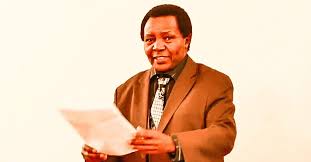
Dr Kinity
By Suleiman Mbatiah
Corruption and human rights abuses are likely to persist in Kenya if voters keep recycling the same leaders, analysts warn, raising doubts about whether genuine reform, accountability, and change can be achieved under entrenched political leadership.
Dr. Isaac Newton Kinity, a Kenyan unionist and activist based in the United States, says the recycling of leaders has entrenched corruption, impunity, and suffering for decades, leaving ordinary citizens to shoulder the burden of failed governance.
Kinity recalled that in 2021, then-President Uhuru Kenyatta admitted Kenya was losing two billion shillings daily to corruption. Four years later, in 2025, Treasury Cabinet Secretary John Mbadi repeated the same figure, confirming that the hemorrhage of public funds has not slowed.
“That is an enormous amount of money. For the last 50 years, the same individuals who plunder public resources have been recycled into leadership, while ordinary Kenyans continue to suffer,” Dr Kinity said in a statement to newsrooms.
He argued that corruption has spared no sector of society, noting that workers, farmers, business owners, and young people are equally affected. According to him, the looting is perpetuated by political brokers, many of them ‘descendants of colonial-era chiefs and home guards’, who protect entrenched interests while shielding leaders from accountability.
“These people do not care about children, mothers, or the elderly. Their only goal is to get money, money stolen from public coffers, so they can extort more in the name of political campaigns,” Kinity said.
He dismissed the notion that recycled politicians bring valuable “experience” to government, saying what they actually recycle is a legacy of land grabbing, corruption, extrajudicial killings, and abductions.
Dr Kinity urged Kenyans to break the cycle by rejecting both the leaders and the power brokers who sustain them. He argued that real change is possible if citizens elect leaders who are patriotic, bold, and ready to sacrifice for the country.
“In just two years, corruption can be dismantled. In two years, land grabbing can be stopped. In two years, extrajudicial killings and abductions can end,” he said insisting that transformative leadership does not require decades in office.
A committed president, he argued, could restore normalcy within five years before stepping aside. Instead, he lamented, Kenyan leaders cling to power for decades, enriching themselves while the country stagnates.
“My dear brothers and sisters, let us stand firm. Let us reject recycled leaders and their brokers. Let us choose change,” Kinity urged.
Last week, President William Ruto cautioned that widespread corruption at all levels of government remains the biggest threat to the 2010 Constitution waring that warned that Kenyans cannot enjoy the full fruits of the charter.
“It is a fact that corruption exists in all arms of government – the Executive, the Legislature, and the Judiciary, and each must confront this menace with honesty and resolve,” he said during the commemoration of the 15th anniversary of the promulgation of the Constitution on August 27, 2010.
At the same time, the High Court has temporarily halted President Ruto’s newly unveiled Multi-Agency Team on War Against Corruption after a petition challenged its legality, with Justice Bahati Mwamuye suspending the proclamation on August 20, 2025, pending a full hearing.
Magare Gikenyi, Eliud Karanja Matindi, Philemon Abuga Nyakundi, and Dishon Keroti Mogire petitioned against the constitutionality of President Ruto’s new 11-member multi-agency anti-graft task force, created through a Presidential Proclamation to unify efforts against corruption, economic crimes, and financial misconduct.
About The Author