Changamwe Residents Push for Revival of Defunct Oil Refinery
Residents recalled the economic vibrancy before the shutdown, noting that the refinery had employed both skilled workers and casual laborers while supporting numerous small businesses throughout the community, creating a thriving local economy that has since disappeared.
By Suleiman Mbatiah
Residents of Changamwe in Mombasa County have called for the urgent revival of the defunct Changamwe Oil Refinery, citing the area’s significant economic collapse and widespread loss of livelihoods following its controversial closure in 2014.
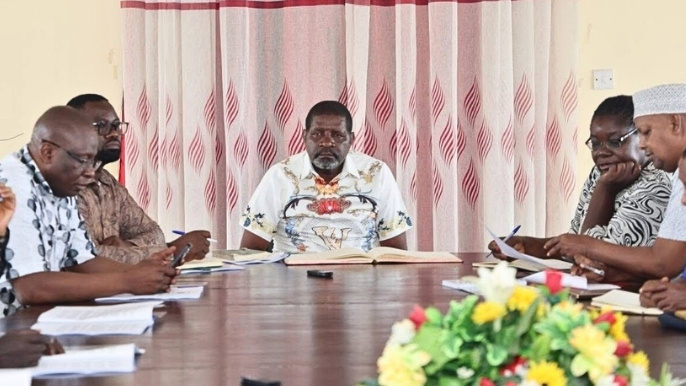
The concerns were raised during a public participation meeting organised by the Joint Parliamentary Committee on Energy in Mombasa County as part of consultations on the South Lokichar Field Development Plan and existing Production Sharing Contracts.
The Field Development Plan and Production Sharing Contracts outline the commercial development of six oil discoveries in the Lokichar Basin, detailing plans for infrastructure, environmental safeguards, community obligations, and projected national benefits.
This plan will determine Kenya’s oil sector future, establish revenue-sharing mechanisms, and define the long-term economic prospects of Turkana and other oil-producing counties across the nation.
The committee is gathering public feedback and stakeholder input along the proposed collider before Parliament conducts its formal review of the proposed crude oil extraction and transportation project in Turkana County.
Residents recalled the economic vibrancy before the shutdown, noting that the refinery had employed both skilled workers and casual laborers while supporting numerous small businesses throughout the community, creating a thriving local economy that has since disappeared.
Area Member of Parliament, Omar Mwinyi called for the revival of the Changamwe refinery, saying its reopening would enable value addition to crude oil and create employment opportunities for local residents.
“Value addition should be prioritised instead of exporting crude oil in its raw form,” he stated, highlighting that the facility built in the 1760’s is currently used by Kenya Pipeline Company to store imported petroleum products that have no or limited value to the community.
One resident described how the closure had devastated her livelihood, explaining that she had been forced to close her kiosk near the facility, stating that the closure had been a major setback to her family’s income and survival.
Beyond employment, the facility significantly contributed to community development by funding the construction of schools and health facilities through its corporate social responsibility programmes, creating lasting infrastructure that benefited the entire Changamwe area and surrounding communities.
However, residents urged caution in the revival process, stressing the need for strong environmental and health safeguards, noting that past operations had led to toxic gas emissions which caused corrosion of iron sheets and respiratory health problems among local communities.
They also appealed to lawmakers to allocate adequate resources for the project, requesting that the refinery be modernized with upgraded machinery, while also calling for the adoption of cleaner technologies if Parliament approves oil extraction and transportation from Turkana.
The committee chairman and Nakuru Town East MP David Gikaria acknowledged that the refinery’s closure had left a significant economic void in the coastal region, stating that its revival could restore thousands of jobs and revitalize the local economy while assuring residents that all due process would be followed to revive the facility.
South Lokichar Basin holds 2.85 billion barrels, with 429 million recoverable from Ngamia, Ekales, Amosing, and Twiga fields. Controversy centers on raising cost recovery ceilings to 85 per cent for both blocks, up from previous 55-65 per cent levels.
In 2023, Mombasa leaders including Area MP Omar Mwinyi, Kisauni’s Rashid Bedzimba, and Senator Mohamed Faki opposed Kenya Pipeline Company’s takeover of the facility, advocating instead for the government to inject approximately Sh7 billion to revive and modernize the refinery’s systems.
About The Author