Africa Must Lead in Sustainable Mining to Power Its Future, Says CS Barasa
CS Barasa highlighted the use of drone and satellite surveillance to enforce compliance and community benefit-sharing schemes to ensure local populations gain from mining activities.
By Cecilia Muthoni
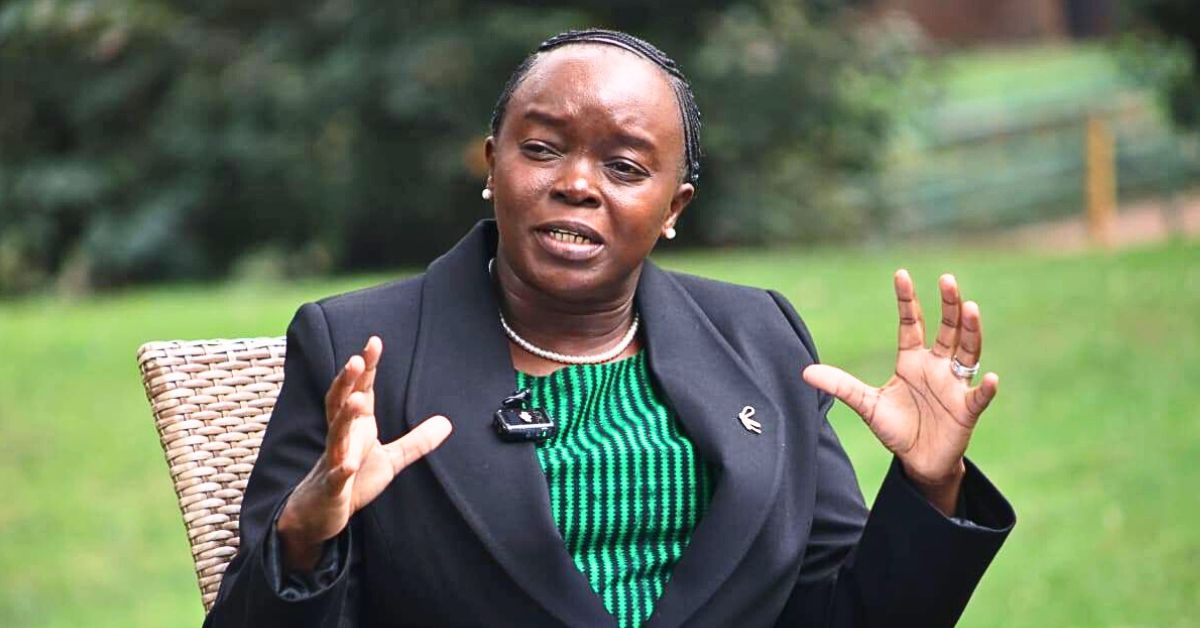
Cabinet Secretary for the Ministry of Environment, Climate Change & Forestry, Dr. Deborah Barasa, has called on African nations to lead the charge in sustainable and ethical mining, stressing that the continent must leverage its vast mineral resources to drive its own development.
Speaking at the 20th Ordinary Session of the African Ministerial Conference on the Environment (AMCEN) in Nairobi, she emphasized that Africa—home to 30% of the world’s critical mineral reserves—must ensure these resources fuel renewable energy and electric mobility without compromising environmental or social well-being.
“Africa’s minerals must power Africa’s future,” declared Dr. Barasa. “In Kenya, we are committed to ensuring that the extractive sector operates responsibly, balancing economic gains with environmental protection and community benefits.”
Citing Kenya’s regulatory frameworks, including the Mining Act (2016) and the Environmental Management and Coordination Act (1999), she outlined key safeguards such as bans on mining in protected areas, mandatory environmental impact assessments, and land restoration through reforestation.
Additionally, she highlighted the use of drone and satellite surveillance to enforce compliance and community benefit-sharing schemes to ensure local populations gain from mining activities.
Dr. Barasa challenged AMCEN member states to adopt green mining policies that promote climate resilience, ethical supply chains, and inclusive growth. “We cannot afford to repeat the mistakes of the past,” she said. “Sustainable mining is not an option—it is an imperative for Africa’s development.”
On the sidelines of the AMCEN session, Kenya’s Principal Secretary for Environment and Climate Change, Dr. Eng. Festus Ng’eno, met with a delegation from the Global Environment Facility (GEF) led by Dr. Fred Boltz, Programming Division Manager, to review ongoing initiatives and explore opportunities for deeper collaboration.
Dr. Ng’eno reaffirmed Kenya’s commitment to utilizing GEF resources to advance national priorities in biodiversity conservation, climate resilience, and sustainable land management.
“GEF-supported programs are already driving transformative change in water catchment restoration, renewable energy, and forest landscape rehabilitation. But for these investments to have lasting impact, they must align with Kenya’s local needs and global environmental commitments,” he said.
Dr. Boltz praised Kenya’s leadership in integrating national development goals with global environmental agendas, noting the country’s potential to pioneer innovative solutions in pollution control and nature-based climate adaptation.
“Kenya has consistently demonstrated strong engagement with the GEF partnership. We look forward to scaling up our collaboration to deliver even greater impact,” he said.
Both parties agreed to enhance coordination to secure future GEF funding, with a shared vision of fostering low-carbon, inclusive growth. The meeting was also attended by Environment Secretary Dr. Selly Kimosop and MEAs Deputy Director Mayiani Saino.
About The Author